What's on this page
- How much does a home inspection cost
- What a standard home inspection covers
- Home inspection cost by home size
- Home inspection cost by home age and systems
- Who pays for a home inspection
- Specialty inspections and what they add
- New construction inspection cost
- What actually drives the price
- What happens during the inspection
- Reading the inspection report
- Negotiating repairs after an inspection
- Common issues inspectors flag
- When homebuyers skip an inspection and what that risks
- How to choose a home inspector
- DIY walkthrough versus a professional inspection
- A worked example: two homes priced
- Common home inspection mistakes
- The bottom line
Short answer: A standard home inspection commonly runs an illustrative $300 to $725 for the base fee, scaling mainly with the home's square footage and secondarily with its age. Radon and termite add-ons commonly run another $85 to $150 each. The buyer almost always orders and pays for their own inspection; a seller's pre-listing inspection is a separate, optional expense.
Home inspection cost is one of the smaller line items in a home purchase and one of the most consequential, because the few hundred dollars it costs can surface a problem worth tens of thousands of dollars before the sale closes rather than after. The fee itself is simple to estimate once you know two things: how big the house is and how old its major systems are. What complicates the number for a lot of buyers is everything that rides alongside the base fee, radon testing, termite inspection, septic and well evaluations, and new-construction phase inspections, each priced and scheduled on its own.
Illustratively, the base fee for a standard home inspection commonly runs about $300 to $725, with the number driven mainly by square footage. A typical 2,000 to 3,000 square foot resale home lands near the middle of that band, an illustrative $475. Specialty add-ons, radon and termite testing most commonly, each commonly run another $85 to $150 on top of that base number.
This cost file prices a home inspection the way a buyer actually experiences it on a real transaction: the base fee first, then the common add-ons layered on, then what changes for new construction and for an older resale home. Our contractor cost file laid out how any trade’s price is built from labor, overhead, and the time a job actually takes, and an inspection prices the same way, it is mostly the inspector’s time on site plus the report they write afterward. Set your own home’s size and age in the inspection cost estimator as you read, and the ranges below turn into a number you can plan a closing budget around.
Key takeaways
- Illustratively, a standard home inspection base fee commonly runs $300 to $725, driven mainly by square footage, with older homes nudging the number up.
- Buyers almost always order and pay for their own inspection; a seller's pre-listing inspection is a separate, optional expense paid by the seller.
- Radon and termite add-ons each commonly run an illustrative $85 to $150, priced separately from the base inspection fee rather than bundled into it.
- New-construction homes benefit from a pre-drywall phase inspection in addition to, not instead of, the final walkthrough inspection before closing.
- The written report is where the real value lives: use it to negotiate repairs or a credit, not only as a formality to clear before closing.
How much does a home inspection cost
Priced as a single number, a standard home inspection illustratively runs about $300 to $725 for the base fee, and nearly all of the spread inside that band comes down to the size of the house. A small condo or starter home under 1,000 square feet sits near the bottom, a typical 2,000 to 3,000 square foot single-family home sits in the middle, and a large home over 4,000 square feet sits near the top. That base fee buys a general inspector’s time walking the structure and systems and the written report that follows, nothing more and nothing less.
What the base fee does not include is just as important to understand up front. Radon testing, termite or wood-destroying-organism inspection, septic system evaluation, private well water testing, mold assessment, and pool or chimney inspection are all separate services, sometimes offered by the same inspector as an add-on and sometimes referred out to a specialist. A buyer who budgets only the base fee and then adds radon and termite testing at the walkthrough is often surprised by a bill that is meaningfully higher than the number they had in mind, not because anyone overcharged them, but because the base fee was never meant to cover those extras.
The practical way to budget is to decide up front which add-ons you want, based on the home’s location, age, and known risk factors, local radon zones and older homes being common triggers for both, and price the base fee and the add-ons together rather than anchoring on the base number alone. The estimator does exactly that, letting you toggle the common add-ons and see the full number build rather than guessing from a headline range.
What a standard home inspection covers
A standard home inspection is a visual, non-invasive walkthrough of the home’s major structure and systems, and understanding its scope helps explain both its price and its limits. On the structure side, the inspector examines the roof, usually from the ground or a ladder rather than walking it, the attic and visible insulation, the foundation and accessible structural framing, and the exterior grading and drainage around the home. On the systems side, the inspector checks the electrical panel and visible wiring for obvious hazards, plumbing fixtures and visible pipes for leaks and function, and the heating and cooling system for basic operation and age.
Inside the home, the inspector walks every room, testing windows and doors, running fixtures, and looking at floors, walls, and ceilings for signs of water damage, settling, or deferred maintenance. The inspection is visual and non-invasive by design, which means an inspector will not cut into a wall, lift flooring, or dismantle equipment to look behind or inside it, and that limitation is exactly why specialty tests exist for the things a visual walkthrough cannot reliably catch, like radon gas, termite damage hidden inside wood framing, or a septic tank’s actual condition underground.

The report that follows the walkthrough is the actual deliverable, typically dozens of pages with photos documenting what the inspector found, organized by system and flagged by severity. Reading that report well, not just skimming the summary page, is where an inspection’s real value gets unlocked, and a later section in this file walks through how to do that.
Home inspection cost by home size
Square footage is the single biggest lever on a home inspection’s price, because a bigger house simply takes longer to walk, document, and photograph. As an illustrative guide, the chart below prices the base fee across five common size bands for a standard single-family resale home of typical age.
Illustrative home inspection base fee by home size
Standard single-family resale home, typical age profile, base inspection only before any add-ons.
Illustrative base fee only. Age, add-ons, outbuildings, and local market rates move every bar; a very large or complex home can run well past the top band shown here.
Two things are worth noticing in that shape. First, the jump from the smallest to the largest band is real but not dramatic, roughly $300 to $725, which reflects that a lot of an inspector’s time is fixed regardless of size, traveling to the home, reviewing the systems, and writing the report, with only a portion scaling directly with square footage. Second, the bands are wide on purpose, because an inspector’s actual price list usually prices by specific square footage brackets rather than the five round bands shown here, so treat this chart as the shape of the decision and get an exact quote for your home’s precise size.
Home inspection cost by home age and systems
Square footage sets the main band, but a home’s age is the second lever, and it moves the number in a smaller but consistent way. Older homes commonly take an inspector longer to walk and document, because older systems, original wiring, aging plumbing, a roof nearing the end of its service life, tend to generate more findings and more photographs for the report. As an illustrative guide, a newer home built after 2000 often prices at or near the base figure for its size band, a home built between 1980 and 2000 commonly adds a modest premium, and a home built before 1980 commonly adds a larger one, reflecting both the extra time on site and the specialized knowledge older systems sometimes require.
Certain older-home features can also trigger a referral to a specialist rather than a simple note in the general report. Knob-and-tube or aluminum wiring, a buried oil tank, or older plumbing materials like galvanized steel or polybutylene are the kinds of findings a general inspector will flag and recommend evaluating further, which can mean an additional, separate fee beyond the base inspection. None of this makes an older home a bad purchase, but it is a real reason the inspection line item on an older home’s closing costs commonly runs a little higher than the base chart alone suggests.
The practical takeaway is to treat your home’s age as an input, not an afterthought, when budgeting the inspection. A 1960s house and a 2015 house of the same square footage are not the same inspection job, and pricing them as though they were understates the older home’s true cost and can leave a buyer surprised by an add-on fee for a specialist referral discovered mid-inspection.
Who pays for a home inspection
In the large majority of resale transactions, the buyer orders and pays for their own home inspection, because it is fundamentally the buyer’s due diligence before committing real money to the purchase. The buyer typically schedules the inspection after an offer is accepted but before the contingency period closes, pays the inspector directly, and receives the report, which then informs whether the buyer proceeds, negotiates repairs or a credit, or walks away under the inspection contingency in the purchase agreement.
A seller can separately commission a pre-listing inspection before putting the home on the market, and that is a different service paid for by the seller rather than the buyer. A pre-listing inspection lets a seller find and address problems, or at least know about them and price accordingly, before a buyer’s inspector finds the same issues during negotiations, where surprises tend to cost more in concessions than fixing them calmly beforehand does. It is common, though not universal, for a home to be inspected twice over the course of one sale: once by the seller pre-listing and again by the buyer’s own inspector before closing, and the two inspections are priced and scheduled completely independently of each other.
A third, less common pattern is a new-construction inspection, where the buyer of a newly built home hires an independent inspector even though the builder has already arranged municipal code inspections. That buyer-paid inspection exists precisely because the builder’s code inspections check for code compliance, not for the kind of workmanship and completeness issues an independent inspector working solely for the buyer is looking for.
Specialty inspections and what they add
The base home inspection fee covers a general visual walkthrough, and several common add-ons extend that scope for a separate price. Radon testing commonly adds an illustrative $100 to $150, and involves leaving a testing device in the lowest livable level of the home for a set period, commonly a couple of days, since radon levels fluctuate and a short spot check is less reliable than a continuous measurement. Termite and wood-destroying-organism inspection commonly adds an illustrative $75 to $100, and looks specifically for termite activity, carpenter ant damage, and wood rot that a general inspection’s broader scope can miss or only partially document.
Beyond those two common add-ons, a handful of bigger specialty evaluations are priced and scheduled as their own separate jobs rather than small add-ons to the base fee. A septic system evaluation is a substantial undertaking on its own, commonly involving locating and sometimes pumping the tank to inspect it properly, and our septic system cost file prices that work in detail rather than folding a specific figure into this one. A private well inspection and water test similarly deserves its own line item and its own specialist, and our well drilling cost file covers what a well evaluation typically involves. Mold assessment, when visible signs or a musty smell prompt one, is its own specialist visit, priced in our mold remediation cost file, and a suspected asbestos material in an older home gets the same treatment in our asbestos removal cost file.
The practical move is to decide which add-ons apply to your specific home before you book the inspection, based on its age, location, and water source, rather than discovering mid-walkthrough that you need a specialist you have not budgeted for. A home on a private well and septic system in an older radon zone can easily carry two or three times the add-on cost of a newer home on municipal water and sewer in a low-radon area, and that gap has nothing to do with the base inspection fee itself.
New construction inspection cost
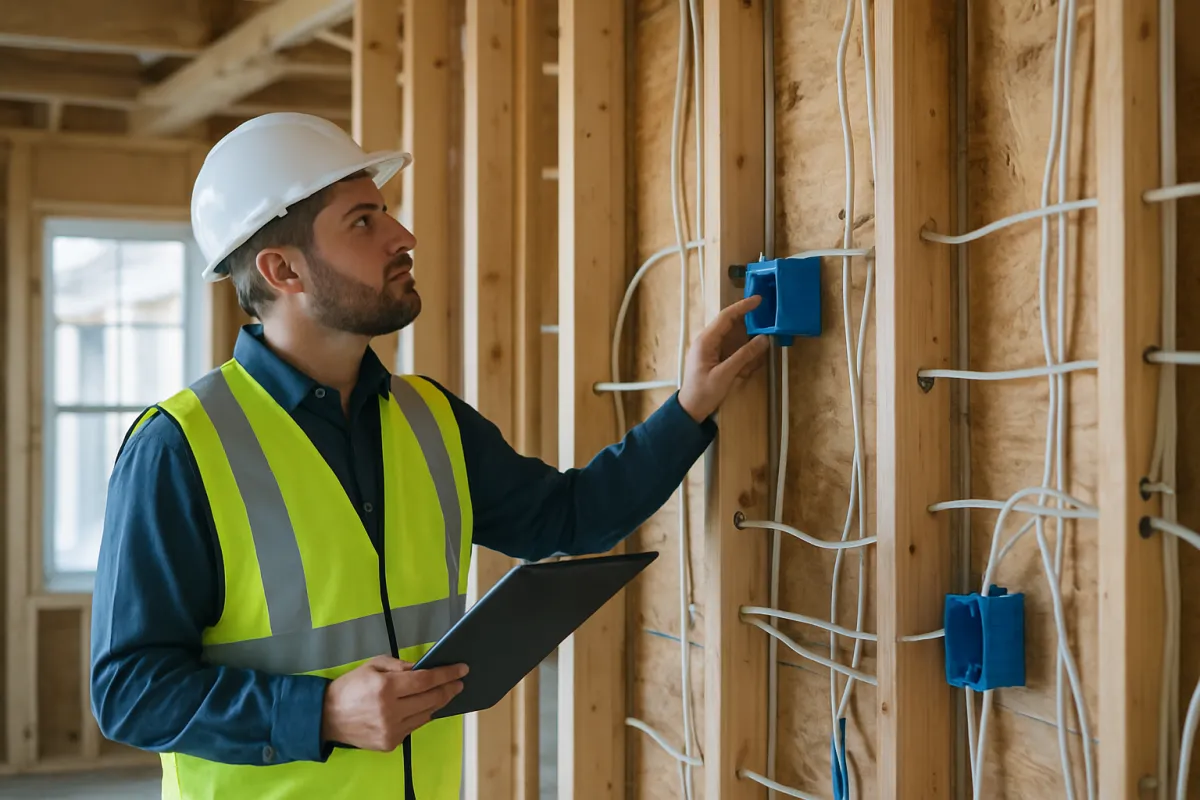
New construction deserves its own pricing conversation, because “new” does not mean “defect-free,” and the inspection timing differs from a resale home. The strongest approach for a new build is two inspection touchpoints rather than one. A pre-drywall phase inspection, commonly adding an illustrative $200 to $300 on top of a standard inspection’s base pricing for the home’s size, happens while the framing, electrical wiring, and plumbing rough-in are still visible, before the drywall closes the walls up and hides all of it from view. That timing matters because a wiring or framing issue caught before drywall is a quick fix; the same issue found after move-in means cutting into a finished wall.
The final inspection, priced similarly to a standard resale inspection for the home’s size, happens once the home is substantially complete and checks the finished systems, fixtures, grading, and the builder’s outstanding punch-list items. Some buyers add a third visit, an eleven-month warranty inspection, timed just before a builder’s one-year warranty expires, specifically to catch problems that only show up after a full seasonal cycle, settling cracks, drainage issues that appear in the first heavy rain, or HVAC performance across both a summer and a winter.
It is worth being explicit about one distinction: the municipal building inspections a builder arranges throughout construction check for code compliance, performed by a government inspector working for the jurisdiction, not for the buyer. An independent inspector hired by the buyer is working solely in the buyer’s interest and looking at workmanship and completeness, not just code minimums, which is exactly why many buyers of new homes still hire their own inspector even though the home has already passed its official inspections.
What actually drives the price
A handful of factors set an inspection’s price, and understanding their order of impact is most of the budgeting exercise. Square footage is the largest single lever, covered in detail above. Age is the second lever, with older homes commonly adding a modest premium for the extra time and expertise older systems require. Add-ons, radon, termite, septic, well, mold, and similar specialty services, are priced separately and can meaningfully change the total a buyer actually pays, often by more than the age adjustment does.
A few less obvious factors move the number too. Outbuildings, a detached garage, a shed, or a guest house, commonly add a smaller supplemental fee if the buyer wants them included in the inspection scope. Crawl spaces and attics that are difficult to access, cramped, unfinished, or requiring special equipment, can add time and sometimes a small premium. And local market rates vary meaningfully by region, so the same size and age of home can price differently across different metro areas, the way any service labor does.
The practical takeaway is to price those levers in the order they matter: size and age set the base number, add-ons layer on top based on what your specific home and location call for, and outbuildings or access issues are a smaller final adjustment. A buyer who starts by comparing two inspectors’ base price alone, without confirming whether radon and termite testing are included or extra, is comparing two different scopes of work, not two prices for the same job.
What happens during the inspection
A home inspection follows a fairly consistent sequence, and knowing the shape of it helps a buyer get the most out of attending. The inspector typically starts outside, walking the exterior, roof line, grading, and foundation before moving inside, then works systematically room by room, testing windows, outlets, and fixtures, and finishing with the attic, basement or crawl space, and a close look at the electrical panel and major mechanical systems. Radon testing equipment, if ordered, is usually set up early in the visit and left running, since it needs time in place rather than a quick check.
Buyers are strongly encouraged to attend in person, and doing so costs nothing extra while adding real value: walking the house alongside the inspector lets a buyer see a problem in context, ask questions on the spot, and understand severity in a way a written report alone sometimes struggles to convey. An inspector who is good at the job will narrate as they go, pointing out both genuine concerns and normal wear that does not need action, which helps a buyer calibrate what in the eventual report is actually worth negotiating over.
The visit itself commonly takes a few hours for an average home, longer for a larger or older one, with the inspector’s full day including travel and the time spent afterward compiling the written report, typically delivered within a day or two of the walkthrough.
Reading the inspection report
The report is the actual product a buyer is paying for, and reading it well is a skill worth building quickly, because the stakes are real money and a tight contingency deadline. A good inspection report organizes findings by system and flags each one by severity, commonly something like safety hazard, major defect, or minor or cosmetic issue, with photos documenting what the inspector saw. The summary page at the front is useful for a quick read, but the real substance, and the context that separates a genuine problem from routine wear, lives in the detailed body of the report.

The practical approach is to separate findings into three buckets: safety hazards and major defects that need addressing regardless of what happens next, items worth negotiating with the seller, and minor or cosmetic notes that are simply useful to know about as a new homeowner. A roof near the end of its life or an outdated electrical panel belongs in the first or second bucket; a loose cabinet hinge belongs in the third. Our quote-comparison manual covers the same discipline from the other direction, reading a contractor’s estimate line by line rather than trusting the bottom-line number, and the two skills reinforce each other well during a home purchase.
Negotiating repairs after an inspection
The inspection report’s practical purpose, beyond informing the buyer, is usually to open a negotiation. Depending on the purchase contract and local practice, a buyer can typically respond to inspection findings by asking the seller to make specific repairs before closing, asking for a credit at closing so the buyer can make the repairs themselves afterward, or, for serious enough findings, exercising the inspection contingency to walk away from the deal entirely.
The strongest negotiating position usually comes from being specific and selective rather than presenting every item on the report as a demand. Safety hazards, major system failures, and anything affecting structural integrity are reasonable, common requests; cosmetic items and normal wear consistent with the home’s age rarely move a seller and can make a buyer’s whole request list look unreasonable, weakening the items that genuinely matter. A credit at closing is often more flexible than a repair request, because it lets the buyer choose their own contractor and timeline rather than relying on the seller to arrange a fix under time pressure before closing.
It is worth remembering that every home, including a brand-new one, generates some findings on an inspection report; a report with zero items is unusually rare and sometimes a sign the inspection was not thorough. The goal is not a perfect report, it is understanding which findings are routine and which genuinely change the value or safety of the home you are buying.
Common issues inspectors flag
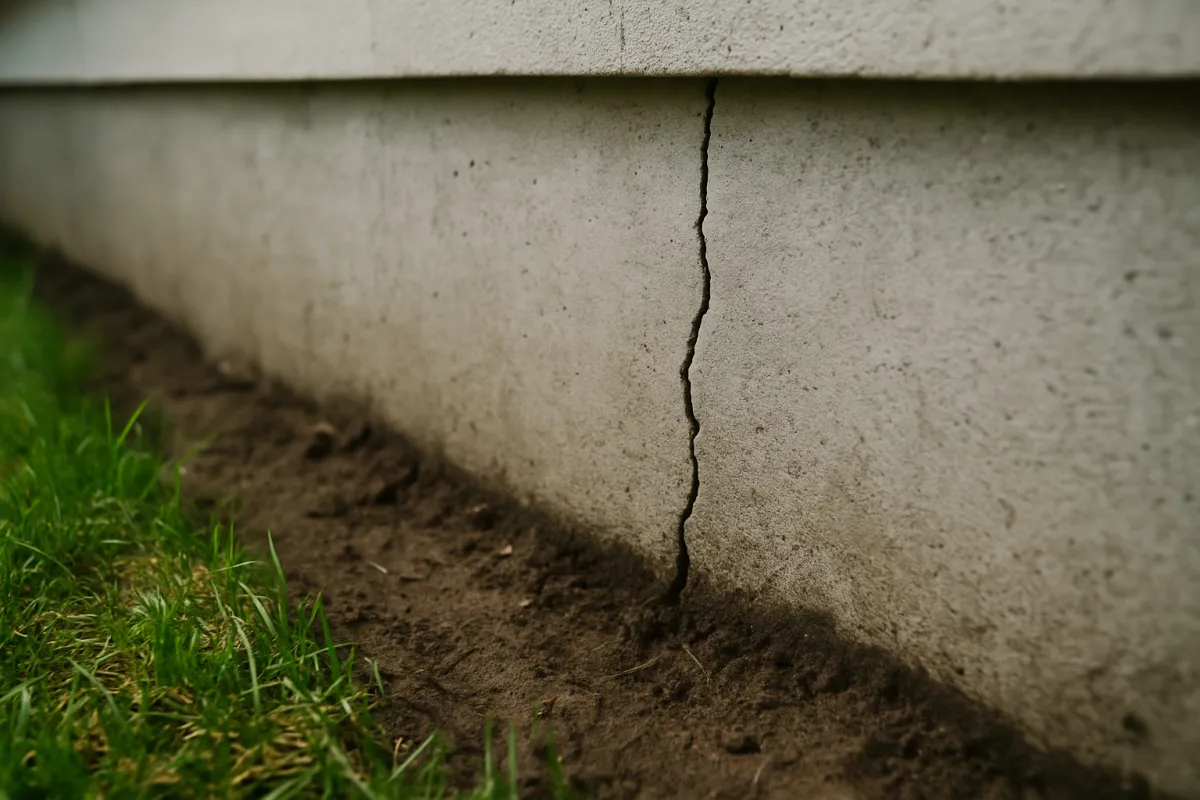
Certain findings show up often enough across resale inspections that they are worth knowing before your own inspection, if only so they do not come as a shock. Roof age and condition, since a roof nearing the end of its expected service life is one of the most common big-ticket findings, and our roof replacement cost file prices what that eventual project looks like. Foundation cracks and settling, which an inspector will note and sometimes refer to a structural specialist depending on severity, covered in detail in our foundation repair cost file.
Outdated electrical panels, particularly older fuse boxes or panels from brands with known reliability issues, are a frequent safety-hazard flag. HVAC age and performance, a heating or cooling system near the end of its typical lifespan, shows up constantly, and our HVAC repair cost file and new HVAC system cost file price what comes next if replacement is the eventual answer. Plumbing material and leaks, grading and drainage issues around the foundation, and attic insulation gaps round out the list of findings that appear on a large share of inspection reports regardless of a home’s price point.
None of these findings alone should derail a purchase; they are closer to a map of what a new owner should plan and budget for over the coming years than a verdict on whether to buy. The value of seeing them before closing, rather than after, is the entire reason the inspection fee is worth paying.
When homebuyers skip an inspection and what that risks
Some buyers, particularly in competitive markets, waive the inspection contingency to make their offer more attractive, and it is worth being honest about the trade being made. Skipping the inspection does not remove the risk the inspection would have found; it simply moves that risk from a negotiable item before closing to the buyer’s own unplanned repair bill after closing, when the same problem is typically far more expensive to address and impossible to negotiate against the purchase price.
A middle-ground approach some buyers use is ordering an inspection for information purposes only, without attaching a repair contingency to the offer. This keeps the offer itself competitive in a seller’s eyes while still giving the buyer the knowledge the report provides, so at minimum there are no surprises and the buyer can plan and budget for what the home will need. It costs the same as a contingent inspection, since the inspector’s work is identical either way; what differs is only whether the findings carry negotiating power attached to the purchase contract.
Waiving the inspection entirely is the highest-risk version of this choice, and it is worth being most cautious about it on an older home, a home with any visible sign of deferred maintenance, or a home on a well or septic system, where the things a visual walkthrough cannot see, like a failing septic tank or compromised wiring behind a wall, are exactly the expensive surprises an inspection exists to catch before they become the new owner’s problem.
How to choose a home inspector
Picking the inspector matters as much as deciding whether to have one. Look for a licensed or certified inspector where your state requires it, membership in a recognized professional body, and genuine experience with homes similar in age and type to the one being inspected, since an inspector experienced mainly with new construction may be less attuned to the particular failure modes of a hundred-year-old home, and the reverse is true as well. Ask how long the inspection itself typically takes for a home your size; an inspector who promises to be in and out in under an hour on an average-size home is often moving too fast to be thorough.
Request a sample report before booking, since the quality and detail of the report is the actual product you are paying for, and a thin, generic sample report is a reasonable reason to look elsewhere. Confirm insurance, specifically errors and omissions coverage, which protects you if the inspector genuinely misses something they should have caught. Our how to vet a contractor and how to find a good contractor files cover the same licensing, insurance, and reference-checking discipline that applies just as directly to choosing an inspector as it does to choosing any other professional working on your home.
Finally, be cautious of any inspector referred by the listing agent with no disclosed relationship beyond convenience, not because a referral is automatically a conflict, but because your inspector’s job is to work exclusively for you, and it is reasonable to want that independence to be unambiguous.
DIY walkthrough versus a professional inspection
A homebuyer walking through a house with their own eyes before making an offer is valuable, and it is not a substitute for a professional inspection, for reasons worth being specific about. A buyer’s own walkthrough is excellent for assessing layout, condition of finishes, and general livability, the things that matter for day-to-day life in the home. It is a poor substitute for catching a structural issue, an electrical hazard behind a wall, or a roof nearing failure, because those findings require both training and the specific knowledge of what a genuine defect looks like versus normal wear, which is exactly the expertise a professional inspector brings and most buyers do not have.
The honest framing is that a buyer’s own walkthrough and a professional inspection serve different purposes and are not in competition with each other. Walk the house yourself for fit and feel, order the professional inspection for the things that could cost real money or pose a safety risk, and treat the inspector’s findings as the technical layer underneath your own impression of the home, not a redundant second opinion on things you could have judged yourself.
A worked example: two homes priced
Take two realistic transactions and cost them the way a buyer actually experiences the number, so the structure of this cost file becomes concrete. Every figure is illustrative; the arithmetic is the lesson.
A 2,400 square foot resale home, built in 1995, with radon and termite add-ons. The base fee for a home in the 2,000 to 3,000 square foot band is an illustrative $475. Because the home was built before 2000, an illustrative age adjustment of about $40 applies. Radon testing adds an illustrative $125, and termite inspection adds an illustrative $85. The total comes to roughly $725 at the midpoint, with a realistic range of about $615 to $870 depending on the specific inspector and local market. That is the shape of a common resale transaction: a base fee that looks modest on its own, plus a couple of add-ons that together add nearly as much again.
A 3,200 square foot new-construction home, with a pre-drywall phase inspection. The base fee for a home in the 3,000 to 4,000 square foot band is an illustrative $575. Because the home is newly built, no age adjustment applies. The buyer adds a pre-drywall phase inspection, an illustrative $250, performed while the framing and rough-in are still visible, with no radon or termite add-ons ordered for this particular new build. The total across both visits comes to roughly $825 at the midpoint, with a realistic range of about $700 to $990. That is the shape of a new-construction transaction: two separate visits rather than one, timed around the construction schedule rather than a single walkthrough.
Run your own home’s size, age, and the add-ons that make sense for its location and water source through the estimator, and the same comparison prices itself around your actual transaction instead of these two illustrative ones.
Common home inspection mistakes
The recurring failures, collected for prevention.
- Budgeting only the base fee. Radon, termite, and other add-ons are priced separately and commonly add $175 to $250 or more on top of the headline number many buyers have in mind.
- Not attending the inspection. Walking the house alongside the inspector costs nothing extra and adds real context a written report alone cannot fully convey.
- Reading only the summary page. The detailed body of the report, with photos and severity flags, is where the findings that actually matter get documented.
- Treating every finding as a negotiating demand. Cosmetic items and normal wear rarely move a seller and can weaken the genuinely serious items on the same list.
- Skipping the inspection on new construction. New does not mean defect-free, and a pre-drywall phase inspection catches issues a final-only inspection would miss entirely.
- Hiring on price alone. A sample report, licensing, insurance, and relevant experience matter more than shaving a small amount off the base fee.
- Waiving the contingency without a plan. If competing on price requires waiving the inspection, at minimum keep an information-only inspection in place rather than skipping it entirely.
Each mistake is cheap to avoid before the inspection is booked and expensive to discover after closing, which is the general shape of inspection wisdom: the leverage is in who you hire, what you order, and how carefully you read what comes back.
The bottom line
Home inspection cost is set mainly by square footage, with age and the add-ons you order moving the number from there. Illustratively, a standard base fee runs about $300 to $725, radon and termite add-ons each commonly run $85 to $150, and new construction commonly adds a separate pre-drywall phase inspection in the $200 to $300 range. The buyer almost always pays for their own inspection as part of due diligence; a seller’s pre-listing inspection, when one happens, is a separate expense paid by the seller.
Then use the inspection like it is meant to be used: attend in person, read the full report rather than just the summary, separate genuine safety and structural findings from cosmetic ones, and negotiate specifically rather than broadly. Choose an inspector on their sample report, licensing, insurance, and experience with homes like yours, not on whichever quote is a few dollars cheaper. The buyers who get the most value from this few-hundred-dollar line item are not the ones who skipped it to save money or move faster; they are the ones who ordered the right add-ons for their specific home, showed up, read closely, and let the report do the job it exists to do. That is the whole recipe, and none of it requires luck.
This cost file exists to explain how home inspection prices are built, not to price your specific transaction, and nothing in it replaces a written quote from a licensed, insured, locally qualified home inspector. Every dollar figure above is illustration only: your real cost shifts with your home’s size, age, condition, location, the specific add-ons you order, and your local market. Inspection scope, licensing requirements, and what a standard inspection does and does not cover vary by state and by inspector, so confirm exactly what is included before you book. Nothing here is real estate, legal, or engineering advice; consult your agent, your attorney where one is involved, and your inspector directly about your specific transaction and contract deadlines.
Frequently asked questions
How much does a home inspection cost?
As an illustrative guide, a standard home inspection commonly runs about $300 to $725 for the base fee, with the number driven mainly by the home's square footage and secondarily by its age. A smaller home under 1,000 square feet sits near the bottom of that band, while a larger home over 4,000 square feet sits near the top. That base fee covers the general inspector walking the structure, systems, and major components of the house. Specialty add-ons such as a radon test or a termite inspection are priced separately on top of the base fee, so the number a buyer actually pays at the end of the process is often higher than the headline figure alone suggests.
Who pays for a home inspection, the buyer or the seller?
In most resale transactions, the buyer orders and pays for their own home inspection, because it is the buyer's due diligence before committing to the purchase. A seller can separately commission a pre-listing inspection before putting the home on the market, paying for that one out of pocket, usually to surface and address problems before a buyer's inspector finds them. These are two different inspections serving two different purposes, not one shared cost, and it is common for a home to be inspected twice in the course of a single sale: once by the seller before listing and once by the buyer before closing.
How much does a home inspection cost for a 2,000 square foot house?
Illustratively, a general home inspection for a house in the roughly 2,000 to 3,000 square foot range commonly runs about $400 to $550, with a middle figure near $475 for the base fee alone. That figure assumes a standard single-family resale home with a typical age profile; a notably older home in that size range tends to land a bit higher because an inspector spends more time on aging systems, while a newer home in the same size range tends to land a bit lower. Add roughly $85 to $150 on top if the buyer also orders a termite or radon test, which are common companion services rather than part of the base fee.
What is included in a standard home inspection?
A standard home inspection is a visual, non-invasive walkthrough of the home's major structure and systems: the roof, attic, and visible insulation, the foundation and structural framing, exterior grading and drainage, siding, windows, and doors, the electrical panel and visible wiring, plumbing fixtures and visible pipes, the heating and cooling system, and the interior finishes, floors, walls, and ceilings for signs of a problem. The inspector is looking for defects, safety hazards, and deferred maintenance, and produces a written report describing what they found. A standard inspection does not include specialty testing like radon, termite, septic, well water, mold, or asbestos, which are separate services an inspector either performs for an add-on fee or refers out to a specialist.
How much do radon and termite inspections cost on top of a home inspection?
As illustrative, commonly cited figures, a radon test adds roughly $100 to $150 to an inspection, and a termite or wood-destroying-organism inspection adds roughly $75 to $100, so ordering both together commonly adds somewhere around $175 to $250 on top of the base inspection fee. Many general inspectors offer both as add-on services booked at the same visit, which is usually more convenient and sometimes a little cheaper than hiring two separate specialists. A septic evaluation or a private well water test are priced quite differently, since those involve their own equipment and labor, and ProsNook prices those separately rather than folding a specific number into this file.
Do I need a home inspection on new construction?
Yes, and the case for one is stronger than many buyers assume, because new does not mean defect-free. New-construction homes commonly benefit from two inspection touchpoints rather than one: an illustrative pre-drywall phase inspection, which looks at the framing, wiring, and plumbing rough-in before the walls are closed up, and a final inspection once the home is complete, which checks the finished systems and the builder's punch-list items. A municipal code inspection, which the builder arranges, is a separate, narrower check for code compliance and is not a substitute for an independent inspector working for the buyer.
Can I skip a home inspection to make my offer more competitive?
You can, and in fast-moving markets some buyers do waive the inspection contingency to compete, but it is worth being honest about what that trades away. Waiving the inspection does not remove the risk the inspection would have found, it just moves that risk onto the buyer after closing, when problems are far more expensive to negotiate or walk away from. A middle path some buyers use is ordering an inspection for information only, without a repair contingency attached to the offer, which keeps the offer competitive while still surfacing a major problem before closing. Skipping the inspection entirely on an older home, or one with any visible sign of deferred maintenance, is the highest-risk version of this trade.
How long does a home inspection take?
A standard inspection on an average-size single-family home commonly takes a few hours on site, with the inspector's full process, including travel, the walkthrough itself, and writing the report, spanning most of a day. A larger home, an older home with more systems to document, or an inspection bundled with radon and termite testing typically takes longer, since radon testing in particular requires equipment left running for a set period rather than a quick check. Buyers are usually encouraged to attend the inspection in person, which adds no real time to the process but is one of the most useful hours a buyer spends before closing, because walking the house with the inspector surfaces context a written report alone cannot capture.