What's on this page
- What tankless water heater installation costs
- Unit cost versus installation cost
- Gas versus electric tankless
- Why installation cost varies so much
- Replacing a tank with a tankless
- Gas line and venting
- Electrical and panel upgrades
- Sizing a tankless water heater
- Point of use versus whole house
- Labor and the plumbers rate
- Permits and inspections
- Where a tankless budget goes
- Tankless installation cost by scenario
- Operating cost and efficiency
- Tankless versus a tank water heater
- How long installation takes
- DIY versus hiring a plumber
- How to save on a tankless install
- How to get and compare tankless quotes
- A worked example a gas tankless retrofit
- The bottom line
Short answer: A tankless water heater commonly runs an illustrative $1,500 to $5,000 installed, with a simple electric swap near the bottom and a gas retrofit that needs a new gas line, dedicated venting or a panel upgrade near the top. The unit is often the smaller share, and the installation frequently costs as much as or more than the heater. Converting from a tank is usually the more expensive scenario.
A tankless water heater installation cost comes down to two things far more than any headline average: whether the unit is gas or electric, and how much your home’s gas, venting, and electrical have to change to feed it. A like-for-like swap of an existing tankless heater and a gas conversion from a tank that needs a new gas line and venting are not the same job, and the total swings from a modest plumbing call to the price of a small remodel line depending on where your project lands between them. Neither figure is wrong. What separates them is the fuel, the existing infrastructure, the venting, any electrical upgrade, the local plumber’s rate, and how far the unit sits from the gas, water, and power it connects to.
Illustratively, a tankless water heater commonly runs about $1,500 to $5,000 installed, with a simple electric swap near the bottom and a gas retrofit that needs a line, venting, or a panel upgrade near the top. The unit is often the smaller share, and the installation frequently costs as much as or more than the heater. Every figure moves with your fuel, your existing setup, and the scope of the change. This cost file prices the job the way a plumber actually assembles it: the unit first, then the plumbing, the gas or electrical work, the venting, and the permit as their own lines. Our general contractor cost file explains how labor sets the floor under work like this, and our bathroom remodel cost file is a useful sibling when a water heater is part of a larger project. Price your own install in the job cost estimator as you read, and the ranges below turn into numbers you can plan around.
Key takeaways
- Illustratively, a tankless water heater commonly runs about $1,500 to $5,000 installed, with the unit often the smaller share and the installation frequently costing as much as or more than the heater.
- Gas versus electric moves the budget, but the deciding factor is your existing infrastructure: a like-for-like swap is cheap, a conversion that needs new gas, venting, or electrical is not.
- A gas tankless often needs a larger gas line and dedicated venting; a whole-house electric tankless often needs added electrical capacity or a panel upgrade.
- Converting from a tank to a tankless is usually the more expensive scenario, because it pays to bridge the gap between the two heaters' infrastructure needs.
- Most installs need a permit and inspection for the gas, venting, or electrical work, and skipping it trades a small saving for a resale, warranty, and insurance risk.
What tankless water heater installation costs
Priced honestly, tankless water heater installation is a range because the job is not one product. As an illustrative guide, a tankless water heater commonly runs about $1,500 to $5,000 installed, and where you land inside that band is set mostly by the fuel and how much your home’s gas, venting, and electrical have to change. A simple electric swap where the wiring is already adequate sits near the bottom, a typical gas replacement lands in the middle, and a tank-to-tankless conversion that needs a new gas line, venting, or a panel upgrade sits at the top. The number you actually pay depends on which of those you are doing, not on a blended average that mixes them all together.
The reason the range is wide is that the unit and its installation are two separate costs, and the installation carries the items that vary the most from house to house. Whatever the unit, the job needs plumbing connections, and depending on the fuel it may need gas line work, venting, or electrical, plus a permit. A home that already has the right gas, venting, and electrical in place skips most of that, while a home converting from a tank pays to add it, which is why the same heater can cost very different amounts to install in two different houses.
The practical takeaway is to price the unit first, then the installation as its own set of lines. If you know that the heater you want lands around $1,000 to $1,500 and that the plumbing, the gas or electrical work, and the venting will add the rest, you can build a planning number in layers rather than guessing from a single range. The estimator does exactly that, so you can set the fuel and the scenario and watch the total build rather than trusting a headline figure.
Unit cost versus installation cost
The single most useful way to understand a tankless install is to split it into the unit and the installation, because they are two different purchases. The unit is the heater itself, priced by fuel type, capacity, and brand, and it is frequently the smaller half of the total. The installation is everything that connects it: the water plumbing, the gas or electrical work, the venting on a gas unit, the mounting, and the permit. On many jobs the installation costs as much as or more than the heater, which surprises homeowners who budget only for the unit’s sticker price.
The reason this split matters is that the two halves move independently. Two homes buying the identical tankless unit can pay very different installed totals because one is a like-for-like swap with the gas, venting, and electrical already in place while the other is a conversion that adds all three. A quote that names only the heater and buries the installation in a lump is hard to compare; a quote that breaks out the unit and the install lines lets you see where your money is going and where a bid differs from another.

The practical takeaway is to insist that every quote separate the unit price from the installation, and to compare the installed totals rather than the sticker price of the heater. If one plumber’s unit price matches another’s but the installed totals diverge, the gap lives in the installation, which is exactly where you want to ask questions. The estimator reports the unit and the installation as their own figures so you can carry both into the conversation.
Gas versus electric tankless
Fuel is the choice that shapes both the unit and the install, but the honest headline is that neither gas nor electric is universally cheaper, because it depends on what your home already has. An electric tankless unit usually costs less to buy and needs no venting, which sounds like the cheaper path. The catch is power: a whole-house electric tankless draws a very large amount of electricity to heat water on demand, so many homes need an electrical service or panel upgrade and new heavy circuits to feed it, and that upgrade can add substantial cost.
A gas tankless unit often costs more to buy and needs its own venting, and converting from a tank frequently means a larger gas line to feed the high firing rate. Where a home already has adequate gas capacity and a suitable venting path, a gas install can be straightforward, but where it does not, the line and venting are real added lines. So the fuels trade their costs: electric moves the burden to the electrical panel, and gas moves it to the gas line and venting, and which is cheaper for you depends on which of those your home is already set up for.
The practical framing is to let your existing infrastructure guide the fuel rather than a general rule. If your electrical panel has spare capacity and heavy circuits are easy to run, electric may install cheaply; if your gas and venting are already suitable, gas may. The decision is genuinely house-specific, which is why a plumber’s assessment of your gas, venting, and electrical is the honest basis for a fuel choice. The estimator treats fuel as its own field so you can see how the choice moves the install on your scenario.
Why installation cost varies so much
The reason two quotes for the same heater can differ so widely is that the installation cost varies with your home’s existing gas, venting, and electrical far more than with the unit. A tankless heater fires at a high rate on gas, or draws heavy power on electric, so it often demands more infrastructure than the tank it replaces, and the install pays to close that gap. When the home already has the right gas line size, a suitable venting path, and adequate electrical, a swap is mostly plumbing and mounting. When it does not, each missing piece is an added line.
This is why the same tankless model can cost near the bottom of the range in one house and near the top in another. A newer home built for a tankless, or one where a previous tankless is being replaced, often has the gas, venting, and electrical already sized, so the install is cheap. An older home converting from a tank for the first time may need a larger gas line, new venting, and possibly electrical work, so the install is expensive. The heater is the same; the house is different.
The practical point is that you cannot price a tankless install from the unit alone, so a serious quote follows an assessment of your specific gas, venting, and electrical. Ask each plumber what your home needs to change for the unit you want, because that answer, not the heater’s brand or a general average, determines your cost. The same discipline our estimate-reading guide teaches applies here: read the lines that describe the infrastructure work, because that is where the real variation lives.
Replacing a tank with a tankless
The most common tankless project is a conversion from a tank, and it is usually the more expensive scenario, so it deserves its own accounting. A tank water heater and a tankless heater have different infrastructure needs, and the conversion pays to bridge the gap. On gas, the tankless fires at a much higher rate than a tank, so it frequently needs a larger gas line and new dedicated venting, since tankless units vent differently than tanks. On electric, a whole-house tankless often needs added electrical capacity that a tank never required.
As an illustrative guide, a tank-to-tankless conversion commonly lands in the middle to upper part of the $1,500 to $5,000 installed range, above a like-for-like tankless swap, with the gas line and venting or the electrical upgrade being the items that push it up. The plumbing to relocate or adapt the water connections, the removal and disposal of the old tank, and the mounting of the new unit are added to that infrastructure work. The conversion is a real project, which is why its cost sits above a simple replacement.
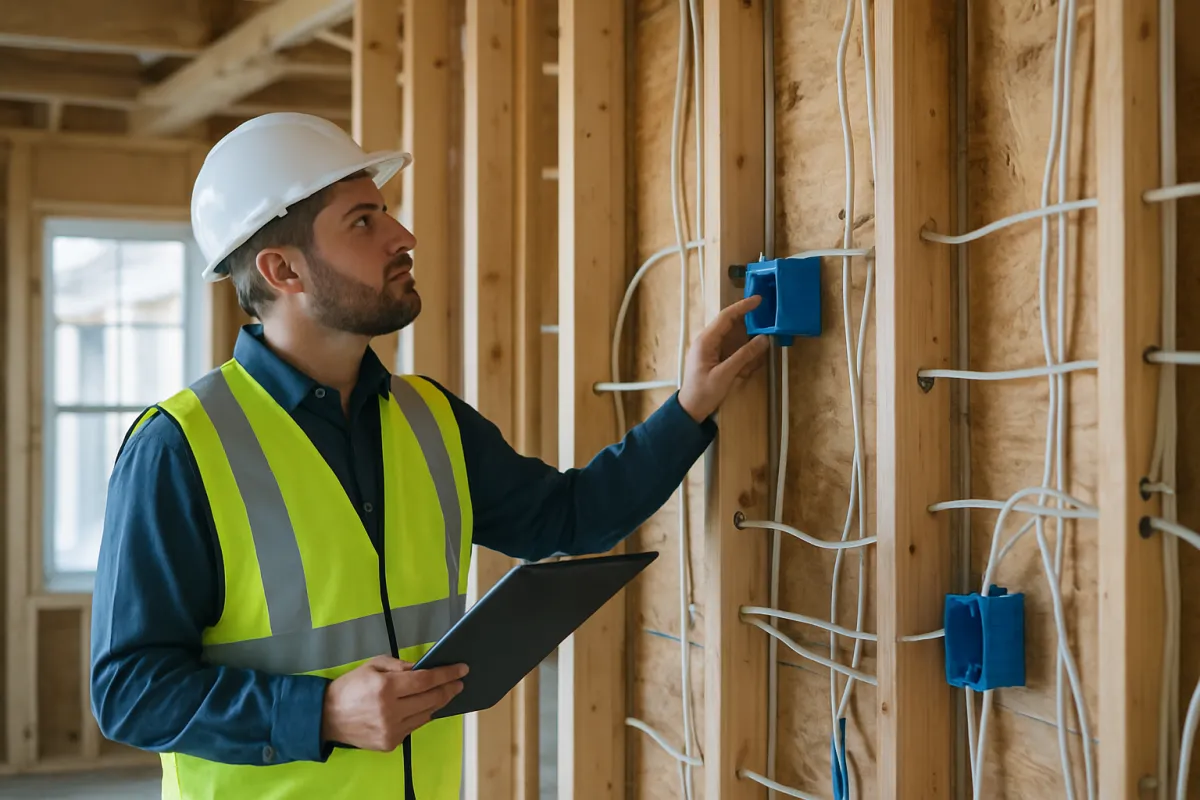
The honest way to price a conversion is to have a plumber confirm exactly what your gas, venting, and electrical need to change, because that is where the cost lives. A homeowner who budgets for a conversion as if it were a simple swap is usually surprised by the gas line, the venting, or the electrical, while one who prices those items up front builds a number that survives contact with a real bid. Set the scenario to a conversion in the estimator and the added infrastructure work moves the total accordingly.
Gas line and venting
For a gas tankless, two items drive much of the install cost beyond the plumbing: the gas line and the venting. A tankless heats water on demand, so when hot water runs it fires at a high rate, and that demand can exceed what an existing gas line sized for a tank heater delivers. When that is the case, the installer runs a larger gas line from the meter or manifold to the unit, which is added labor and material. A home whose line already has the capacity avoids this cost, so the only way to know is to have a plumber assess the gas system for the specific unit you are sizing.
Venting is the other gas-specific cost, because a tankless vents differently than a tank. Many tankless units use dedicated sealed venting, often through a sidewall or the roof, and that venting is sized and routed for the unit rather than reusing an old tank’s flue. The venting path, its length, and whether it exits through a wall or the roof all affect the cost, and a difficult routing adds labor. A condensing tankless has its own venting requirements and often a condensate drain, which is another small line to account for.
The practical framing is that the gas line and venting are where a gas tankless install can quietly grow, so they belong on every gas quote as explicit lines. A bid that prices a gas tankless as if the existing line and flue are adequate, when they are not, will climb once the reality surfaces. Ask each installer whether your gas line has the capacity and what venting the unit needs, and treat any vagueness on those points as a question to resolve before you sign rather than a cost to discover during the work.
Electrical and panel upgrades
For an electric tankless, the electrical is the item that most often drives the cost, and it is easy to underestimate. A whole-house electric tankless heats water on demand without a tank, which means it draws a very large amount of power all at once when hot water runs. That demand frequently exceeds what a typical home’s electrical service and panel can supply on top of everything else, so the install may require heavy new circuits and, in many cases, an electrical service or panel upgrade to provide the capacity.
That electrical work is licensed, code-regulated labor, and it can be the largest single line in an electric tankless install, sometimes rivaling the rest of the job. A home with a modern, high-capacity panel and easy circuit runs installs an electric tankless far more cheaply than an older home whose panel is already near its limit. This is the mirror image of the gas situation: where gas moves the burden to the line and venting, electric moves it to the panel and circuits, and the size of that burden depends on your existing service.
The practical point is that an electric tankless quote should state clearly what electrical work it assumes, including whether a panel or service upgrade is included, because that is where the cost lives. A bid that prices an electric tankless as if the panel has spare capacity, when it does not, will grow once the upgrade surfaces, the same way a generator or other heavy-draw system can force a panel upgrade. Confirm your panel’s capacity for the unit you want, and treat the electrical as a decisive line rather than an afterthought.
Sizing a tankless water heater
Sizing sets which unit you buy, and it works differently than a tank, so it is worth understanding. A tank is sized by its stored volume in gallons, but a tankless is sized by its flow rate, how much hot water it can deliver at once, usually measured in gallons per minute at a given temperature rise. The right size depends on how many fixtures you want to run simultaneously and how cold your incoming water is, since a larger temperature rise reduces the flow a unit can deliver.
The temperature rise is the part homeowners overlook. A tankless in a cold climate, where the incoming water is very cold in winter, has to raise the water temperature much more than one in a warm climate, and that larger rise cuts the flow rate the unit can supply. A unit that easily runs two showers in a warm region may struggle to run two in a cold one, so sizing has to account for your local incoming water temperature, not just the number of fixtures. This is why an accurate size comes from a plumber who knows your climate and your usage.
The practical framing is that undersizing leaves you with a unit that cannot keep up when several fixtures run at once, while oversizing spends more than you need. Sizing to your real simultaneous demand and your climate’s temperature rise is the honest basis, and it affects both the unit price and, on gas, the gas line and venting the unit requires. Let the sizing follow your actual usage, and the rest of the install scopes around it, which the estimator reflects as you set the scenario.
Point of use versus whole house
There are two broad ways to deploy tankless heaters, and they price very differently. A whole-house tankless is a single unit sized to serve the entire home’s hot water, and it is what most people mean by a tankless water heater. A point-of-use tankless is a small unit installed close to a single fixture or a small group, such as a distant bathroom or a kitchen sink, to provide instant hot water there without waiting for it to travel from a central heater.
The cost profiles differ. A whole-house unit carries the full sizing, gas or electrical, and venting requirements described throughout this cost file, so it is the larger project. A point-of-use unit is smaller and cheaper to buy, but it adds a unit and its connection at each location it serves, so several point-of-use units can add up, and each still needs the appropriate gas or electrical at its spot. Point-of-use units are often electric and small, which can simplify venting but still requires adequate circuits.
The practical framing is that point-of-use makes sense for a specific problem, like a far-off fixture that wastes water waiting for hot, while a whole-house unit is the general solution for a home’s hot water. Some homes use a whole-house unit and add a point-of-use unit only where distance makes it worthwhile. Match the deployment to the problem: do not install a whole-house unit to solve one slow faucet, and do not string together point-of-use units where a single whole-house heater would serve better and cost less overall.
Labor and the plumbers rate
Behind every install line is labor, and the plumber’s rate sets the floor under the whole job. A tankless install is skilled plumbing work, and on gas or electric it involves a licensed trade for the fuel connection, so the labor is not a place where the cheapest hourly number is automatically the best value. Regional labor rates vary widely, which is one reason the same install costs different amounts in different markets, and our general contractor cost file explains how those rates are built and why they differ by area.
The labor time depends on the scenario. A like-for-like swap is a few hours of mostly plumbing and mounting, while a conversion that adds a gas line, venting, or electrical stretches to a day or more of combined trade work. Difficult access, a tight mechanical closet, a long distance from the gas, water, or power, or an awkward venting path all add labor, since the plumber is working harder for the same connections. The labor line is where the real-world conditions of your home show up in the price.
The practical framing is to weigh the plumber’s rate alongside their license, insurance, and reputation rather than chasing the lowest hourly figure, because a botched gas or electrical connection is expensive and dangerous to fix. A fair labor quote reflects the real time your scenario takes, not a flat guess, which is why a plumber who has assessed your home quotes more accurately than one who has not. Vet the trade the way our contractor vetting guide describes, then compare labor on the same scope.
Permits and inspections
A tankless install involves plumbing and, depending on the fuel, gas or electrical work, so it usually needs a permit and an inspection in most jurisdictions. A gas unit typically needs a permit covering the gas line and venting, and an electric unit a permit covering the electrical, with inspections confirming the work is safe. The permit is not just a fee; it is the record that the gas, venting, or electrical met code, which matters at resale, for a manufacturer warranty, and for an insurance claim if a failure ever causes damage.
Skipping a required permit trades a small saving now for a real problem later. Unpermitted gas, venting, or electrical work can surface during a home sale, complicate or void a warranty, and undercut an insurance claim, and a gas or electrical connection made outside code is a genuine safety risk, not just a paperwork gap. A reputable plumber pulls the permit as part of the job and schedules the inspection, and our permit guide walks through why the process exists and how it protects you.
The practical point is to confirm how permits are handled before you sign, and to treat an installer who wants to skip a required one as a warning about how they run the rest of the work. Ask whether the permit and inspection are included in the price or left to you, because a bid that quietly omits the permit looks cheaper than one that includes it while actually offering less. The permit line belongs on every honest quote, and its presence is a sign the installer intends to do the work to code.
Where a tankless budget goes
Assemble the pieces and the shape of a tankless budget comes into focus, splitting across the unit, the fuel infrastructure, the plumbing and labor, and the permit and extras. The proportions below are illustrative for a typical gas tankless conversion, with the unit, the gas line and venting, the plumbing and labor, and the permit and extras shown as their own bands so you can see where the money actually lives.
Where the money goes in a tankless install
Illustrative shares for a typical gas tankless conversion from a tank. An electric install shifts the fuel band toward wiring and a panel.
Shares shift with the job: a like-for-like swap shrinks the gas and venting band toward zero, an electric conversion replaces it with wiring and a possible panel upgrade, and a difficult venting path or a long gas run enlarges it.
Two readings matter here. First, the unit is under a third of the total on a conversion, which is why budgeting from the heater’s sticker price alone understates the job so badly. Second, the fuel infrastructure and the plumbing-and-labor bands are the ones that swing most with your specific situation: a like-for-like swap shrinks the gas and venting band toward nothing, while a first-time conversion grows it, and an electric job replaces that band with wiring and a possible panel upgrade. Budget from the whole bar, and remember that a simple swap and a full conversion distribute this chart very differently.
Tankless installation cost by scenario
Zoom out and one fact organizes the whole budget: the total scales with the scenario, meaning how much of your home’s gas, venting, and electrical the job has to touch. A simple swap where the infrastructure is in place, a gas replacement, a first-time conversion, and a new installation in a fresh location are four different jobs on the same idea. Using an illustrative installed midpoint for each, the chart below shows how the total scales.
Illustrative installed cost by tankless scenario
Midpoint estimates for common tankless scenarios. Your home's existing gas, venting, and electrical set where you actually land.
Illustrative installed midpoint totals for four scenarios. A like-for-like swap where the infrastructure is in place lands lowest, while a conversion or a new location that adds gas, venting, or electrical lands highest.
Read those bars as the shape of the decision, not as your quote. The step from a simple swap to a first-time conversion or a brand-new location is a real change in how much infrastructure the job adds, not a rounding difference. Anchor on the scenario that matches your home, then use the fuel, sizing, and infrastructure sections to adjust. The estimator treats the scenario as its own field so you can see the swing directly as you change it.
Operating cost and efficiency
The installed price is not the whole story, because a tankless heater changes your operating cost too, and it is worth naming honestly. A tankless heater is generally more efficient than a tank, because it heats water only when you use it rather than keeping a tank warm around the clock, so it avoids the standby losses of a tank. Over the years, that efficiency can lower your energy cost, and a tankless typically has a longer service life than a tank, which spreads its higher up-front cost over more years of use.
The honest caveat is that the energy savings are gradual and depend on your usage and fuel prices, so they rarely pay back the higher install quickly on their own. A household that uses a lot of hot water sees more benefit from the efficiency than one that uses little, and the savings accumulate slowly rather than arriving as a lump. Treating the efficiency as the sole justification for a tankless overstates the case; treating it as a real but secondary benefit alongside the convenience and longevity is the accurate framing.
The practical point is to weigh the operating cost and long life as part of the total picture, not just the installed price. A tankless that costs more to install but runs efficiently and lasts longer can be a sound long-term choice for the right household, especially one that values endless hot water and reclaimed space. Factor the efficiency and lifespan into the decision the way our renovation budget guide recommends weighing long-term value against up-front cost, rather than deciding on the sticker alone.
Tankless versus a tank water heater
It helps to place a tankless against the alternative most homeowners weigh, the tank water heater, because they are different products at different prices. A tank heater is cheaper to buy and often cheaper to install, especially as a like-for-like replacement, since it reuses the existing gas, venting, and electrical without the infrastructure changes a tankless can require. Its downsides are the standby energy loss of keeping water hot, a finite supply that can run out during heavy use, a larger footprint, and generally a shorter service life.
A tankless heater costs more to buy and often more to install, particularly as a conversion, but it delivers endless hot water on demand, takes up far less space, is generally more efficient, and typically lasts longer. The premium you pay buys convenience, space, efficiency, and longevity; the tank’s advantage is a lower up-front cost and a simpler replacement. Neither is universally right, which is why the choice is a genuine one rather than an obvious upgrade.
The honest way to choose is by what you value and what your home is set up for. If you want the lowest up-front cost and a simple swap, a tank is hard to beat, and our tank replacement cost file prices that path line by line so you can compare the two totals on equal terms. If you value never running out of hot water, reclaimed space, and long service life, and you can absorb the higher install, a tankless earns its premium. This is the same use-versus-cost logic that runs through every cost file here: match the spend to the real benefit, and let the estimator show you what the tankless install actually adds over a tank swap.
How long installation takes
A straightforward tankless installation commonly takes about a half day to a full day of work, while a conversion with new gas, venting, or electrical can run one to two days or more. A like-for-like swap, replacing an existing tankless where the gas, venting, and electrical are already in place, is the quickest, since it is mostly plumbing and mounting. The more the job has to touch, the longer it takes, so the scenario that sets the cost also sets much of the schedule.
The steps around the install can add time beyond the hands-on hours. If the job needs a permit, it has to be pulled, and an inspection scheduled, which can add days depending on your building department. Ordering the specific unit, coordinating a licensed electrician for an electric conversion or heavy panel work, and any venting materials all have to line up. A homeowner who expects hot water restored the same afternoon may be right for a simple swap and wrong for a conversion.
The practical move is to ask your plumber for a schedule that separates the actual install hours from any permit and inspection wait, so you know what you are really waiting on. For a conversion, ask how the gas, venting, or electrical work sequences with the plumbing, since those trades may not all happen in one visit. The install hours are only part of the story; the permit, inspection, and coordination on the front end are the parts homeowners most often overlook.
DIY versus hiring a plumber
A tankless install is mostly a job for professionals, and it is worth being clear about why. The job involves plumbing connections under pressure, and on gas a fuel connection and venting, or on electric heavy circuits and often a panel upgrade, all of which are licensed, code-regulated trades. A mistake in the gas connection is a leak hazard, a mistake in the venting can vent combustion products improperly, and a mistake in the electrical is a fire and shock risk, so these are not areas where a capable homeowner should self-perform to save labor.
There is a narrow DIY spectrum, but it runs toward the edges rather than the core. A homeowner might handle some preparation, remove an old tank, or act as their own coordinator hiring the plumber and electrician directly, which can save a coordinating fee if you have the time and knowledge to manage the trades and the permit. What almost no homeowner should self-perform is the gas connection, the venting, and the electrical work, because those are the parts where a mistake is a genuine hazard and a permit and inspection are required.
The honest framing is that a tankless heater is a permitted plumbing, gas, and electrical system, and the decision is less about capability than about consequence and code. The downside of a botched shelf is a crooked shelf; the downside of a botched gas or electrical connection is a leak, a fire, or a failed inspection. If the budget is tight, the better levers are the fuel, the unit, and the scenario, choosing a simpler swap rather than self-performing the regulated work. Our contractor hiring guide explains how that professional labor is priced when you do hire it out.
How to save on a tankless install
Once you understand the levers, you can trim a tankless budget without buying a regret. The safest place to save is the scenario: if your home already has adequate gas, venting, and electrical, a like-for-like swap or a straightforward replacement avoids the expensive infrastructure work that drives a conversion. Choosing the fuel your home is already set up for, gas where the line and venting suit it or electric where the panel has capacity, avoids the upgrade that the other fuel would force.
A few choices save without cutting quality. Right-sizing the unit to your real simultaneous demand and climate, rather than oversizing, keeps both the heater and its gas or electrical requirements in check. Keeping the run short, installing the unit near the gas, water, and power it connects to, and near a simple venting path, reduces labor and material. Bundling the install with other work, or timing it when a plumber is available rather than in an emergency after a tank fails, can also earn a better price than a rushed replacement.
The places not to save are the ones that protect the system and your home. Skimping on the gas connection, the venting, or the electrical trades a small saving for a safety and code risk, and skipping the permit trades a fee for a resale, warranty, and insurance problem. Undersizing the unit so it cannot keep up leaves you with cold showers when several fixtures run. Save on the scenario, the fuel fit, and the sizing; spend properly on the gas, venting, electrical, and permit that determine whether the system is safe and works, and let the estimator show you how each choice moves the total.
How to get and compare tankless quotes
Tankless quotes are easy to gather and easy to misread, because the heaters look similar on paper and the important differences hide in the infrastructure work. Start by getting at least three written quotes from licensed, insured plumbers who each assessed your home, since a tankless install’s cost rides on your existing gas, venting, and electrical that no phone estimate can judge. A number offered without anyone checking your gas line capacity, your venting path, or your panel is a guess that will be revised once someone looks.
Then make every quote describe the same scope so the totals mean something. A trustworthy tankless bid should name the unit and the installation as separate lines, the fuel and whether the job is a swap or a conversion, whether a gas line upgrade or new venting is included on gas, whether an electrical or panel upgrade is included on electric, the plumbing and disposal of the old unit, and whether the permit and inspection are in the price. Comparing bids the way our quote-comparison manual describes turns three different-looking numbers into a real comparison.
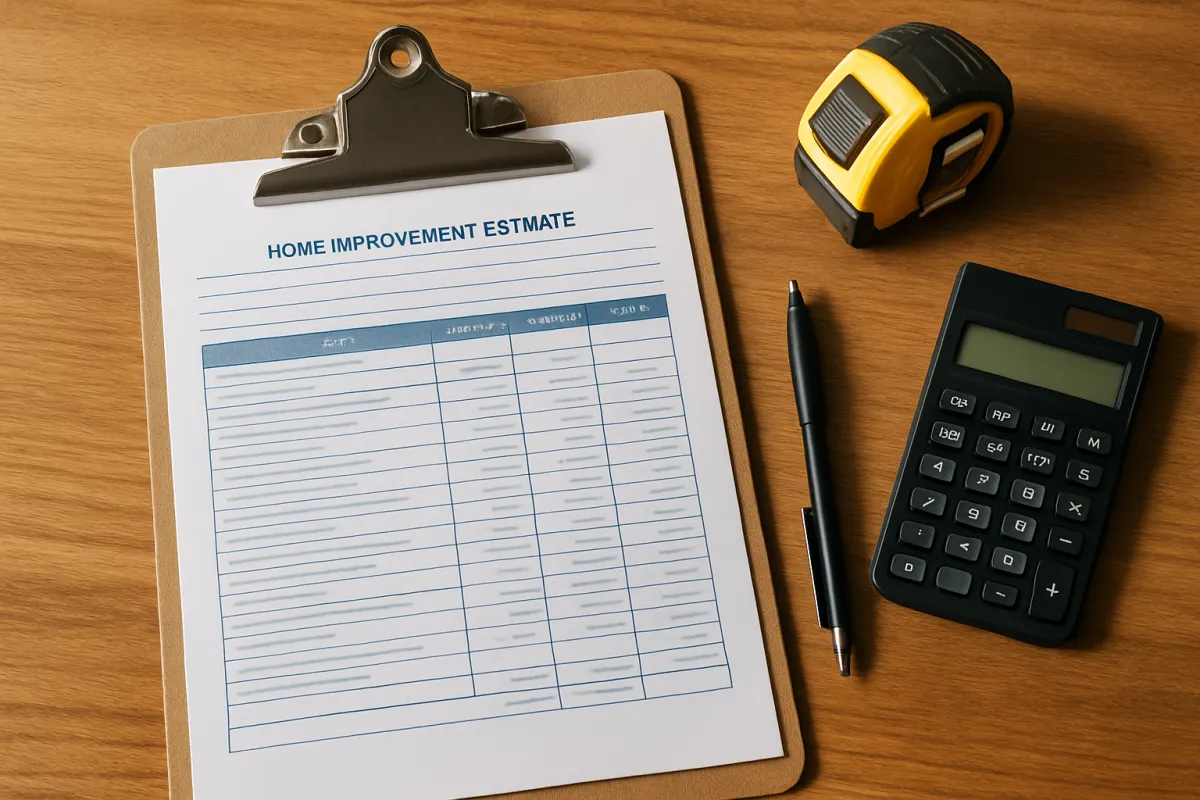
Finally, be suspicious of the outlier. A quote far under the others is rarely a bargain: it commonly means a swap assumption where you actually need a conversion, a gas or venting upgrade left off, an electrical upgrade ignored, or the permit left as an owner responsibility. Normalize every bid to the same fuel, scenario, and scope, re-read the gas, venting, electrical, and permit lines, and hold the results against your own figure from the estimator. The honest bids tend to converge once they describe the same job, and the one that moves most when normalized is the one that had the most left unsaid.
A worked example a gas tankless retrofit
Take one ordinary project, a gas tankless retrofit replacing an old tank, and cost it in layers so the structure of the number becomes concrete. Every figure is illustrative; the method is the lesson. Assume a gas tankless unit replacing a gas tank in an older home, where the existing gas line needs upsizing and new venting is required, with a permit and the disposal of the old tank.
Start with the unit. At an illustrative price for a residential gas tankless heater, the unit alone comes to roughly $1,000 to $1,500. This is the heater itself, before any of the work that connects it, and it is the smaller half of this project. A more capable or condensing unit lands above that, and an electric unit typically below it.
Add the installation. The larger gas line, the new dedicated venting, the plumbing connections, the removal and disposal of the old tank, and the permit together illustratively add roughly $2,500 to $3,500, bringing the running total to about $3,500 to $5,000 installed. If the gas line already had capacity and the venting path were simple, the install line would shrink and pull the total toward the middle of the range; if the venting were difficult or the gas run long, it would climb toward and past the upper end.
The lesson is in the layers, not a single headline. The same gas retrofit lands near $3,500 when the infrastructure is friendly and climbs toward $5,000 once the gas line and venting have to be built out, which sits in the middle to upper part of the $1,500 to $5,000 range this cost file uses, priced from the bottom up. Run your own fuel, scenario, and complexity through the estimator, and the same worked example prices itself around your home. A tankless is often one of several upgrades a home takes on, alongside work like a whole-house generator install, and pricing each in layers keeps the whole plan honest.
The bottom line
A tankless water heater installation cost is set by whether the unit is gas or electric and how much your home’s gas, venting, and electrical have to change to feed it, and the honest way to price it is the unit first, then the plumbing, the gas or electrical work, the venting, and the permit as their own lines. Illustratively, a tankless heater commonly runs about $1,500 to $5,000 installed, with a simple electric swap near the bottom and a gas conversion that needs a line, venting, or a panel upgrade near the top. The unit is often the smaller share, and the installation frequently costs as much as or more than the heater.
Then buy the work like a professional: identify your scenario first, then the fuel your home is set up for, then confirm what the gas, venting, and electrical need to change. Get at least three written quotes from licensed, insured plumbers who assessed your home, make each bid separate the unit from the installation and describe the same scope down to the gas line, the venting, the electrical, and whether the permit is included, and treat any bid far below the others as a question to ask rather than a bargain to grab. Weigh the convenience of endless hot water, the reclaimed space, and the long service life against the higher install, and treat the energy savings as a real but secondary benefit rather than the whole justification. Spend properly on the gas connection, the venting, the electrical, and the permit that determine whether the system is safe and works, because an install that saves money by cutting those corners is the most expensive kind. The homeowners who come out of a tankless install satisfied are the ones who priced their real scenario, chose the fuel their home supported, sized the unit to their usage, and never let a cheap bid quietly swap the venting or the permit onto their own plate.
This cost file exists to explain how tankless water heater installation prices are assembled, not to price your specific project, and nothing in it replaces a written estimate from a licensed, insured plumber who has assessed your home in person. Every dollar figure, range, timeline, and efficiency reference above is illustration only: your real cost shifts with gas versus electric, whether you are swapping a tankless or converting from a tank, the capacity of your existing gas line and electrical panel, the venting your unit and home require, the local plumbing and electrical labor market, and the access and layout of your mechanical space. Sizing depends on your simultaneous hot water demand and your climate’s incoming water temperature, and plumbing, gas, venting, and electrical codes and permit requirements are local and are described here in general terms only. Confirm what your own jurisdiction requires before the work begins, gather several detailed written quotes on the same fuel and scenario, verify licensing and insurance, and treat any bid far below the others as a question to ask rather than a bargain to grab.
Frequently asked questions
How much does tankless water heater installation cost?
Tankless water heater installation is really two costs stacked together, the unit and the labor to install it, so the honest answer is a range rather than one number. As an illustrative guide, a tankless water heater commonly runs about $1,500 to $5,000 installed, with a simple electric swap near the bottom and a gas retrofit that needs a new gas line, venting, or a panel upgrade near the top. The unit itself is often the smaller share, and the installation, meaning the plumbing, the gas or electrical work, the venting, and the permit, frequently costs as much as or more than the heater. Treat every figure here as a starting range, because your real price shifts with gas versus electric, whether you are replacing an existing tankless or converting from a tank, and how much your home's gas, venting, and electrical need to change.
Why does tankless water heater installation cost so much?
The installation cost is high because a tankless heater often demands more of your home's gas, venting, and electrical than the tank it replaces. A gas tankless unit fires at a high rate to heat water on demand, so it frequently needs a larger gas line and its own dedicated venting, and an electric tankless can require heavy electrical service and new circuits that many panels cannot supply without an upgrade. Each of those, a gas line, venting, or electrical work, is skilled, code-regulated labor added on top of the plumbing. When a home already has the right gas, venting, and electrical in place, a like-for-like swap is far cheaper, which is why the same heater can cost very different amounts to install in two different houses.
Is a gas or electric tankless water heater cheaper to install?
It depends entirely on what your home already has, so neither is universally cheaper. An electric tankless unit usually costs less to buy and needs no venting, but a whole-house electric tankless draws a large amount of power, so many homes need an electrical service or panel upgrade and new heavy circuits that add substantial cost. A gas tankless unit often costs more to buy and needs venting, and converting from a tank frequently means a larger gas line, but where a home already has adequate gas and venting the install can be straightforward. As an illustrative guide, a simple electric swap can land near the bottom of the range while a gas retrofit that needs a line and venting lands near the top, so the deciding factor is your existing infrastructure, not the fuel alone.
How much does it cost to replace a tank water heater with a tankless?
Converting from a tank to a tankless is usually the more expensive scenario, because the two heaters have different infrastructure needs and the conversion pays to bridge the gap. A gas conversion frequently needs a larger gas line to feed the higher firing rate and new dedicated venting, since tankless units vent differently than tanks, and an electric conversion often needs added electrical capacity. As an illustrative guide, a tank-to-tankless conversion commonly lands in the middle to upper part of the $1,500 to $5,000 installed range, above a like-for-like tankless swap, with the gas line and venting or the electrical upgrade being the items that push it up. The honest way to price it is to have a plumber confirm what your gas, venting, and electrical need to change, because that is where the conversion cost lives.
Does a tankless water heater need a bigger gas line?
Often yes, and it is one of the most common reasons a gas tankless install costs more than homeowners expect. A tankless water heater heats water on demand rather than keeping a tank warm, so it fires at a much higher rate when hot water is running, and that high demand can exceed what an existing gas line sized for a tank heater can deliver. When that is the case, the installer runs a larger gas line from the meter or manifold to the unit, which is added labor and material. A home whose gas line already has the capacity avoids this cost, so the only way to know is to have a plumber assess your gas system for the specific unit you are sizing, rather than assume the existing line is adequate.
How long does it take to install a tankless water heater?
A straightforward tankless installation commonly takes about a half day to a full day of work, while a conversion with new gas, venting, or electrical can run one to two days or more. A like-for-like swap, replacing an existing tankless where the gas, venting, and electrical are already in place, is the quickest, since it is mostly plumbing and mounting. A tank-to-tankless conversion takes longer because it adds the gas line, the venting, or the electrical work on top of the plumbing, and any that require a permit and inspection add scheduling time. Ask your plumber for a schedule that separates the actual install hours from any permit and inspection wait, since the front-end time is the part homeowners most often overlook.
Do you need a permit to install a tankless water heater?
Usually yes, because a tankless install involves plumbing and, depending on the fuel, gas or electrical work, all of which are code-regulated in most jurisdictions. A gas unit typically needs a permit covering the gas line and venting, and an electric unit a permit covering the electrical, with inspections confirming the work is safe. Skipping a required permit trades a small saving now for a real problem later, since unpermitted gas, venting, or electrical work can surface at resale, void a manufacturer warranty, or complicate an insurance claim if a failure causes damage. A reputable plumber pulls the permit as part of the job and schedules the inspection, so confirm how permits are handled before you sign, and be wary of any installer who wants to skip a required one.
Is a tankless water heater worth the higher install cost?
A tankless water heater can be worth the higher install cost for the right household, but it is a use decision rather than a guaranteed saving. The advantages are endless hot water on demand, a smaller footprint that frees up space, and generally higher efficiency and a longer service life than a tank, which can lower operating cost over the years. The offsetting factor is the higher up-front installed price, especially for a conversion, and the payback in energy savings alone is gradual and depends on your usage and fuel prices. As an illustrative guide, weigh the convenience of never running out of hot water and the long service life against the higher install, and treat the energy savings as a secondary benefit rather than the whole justification.