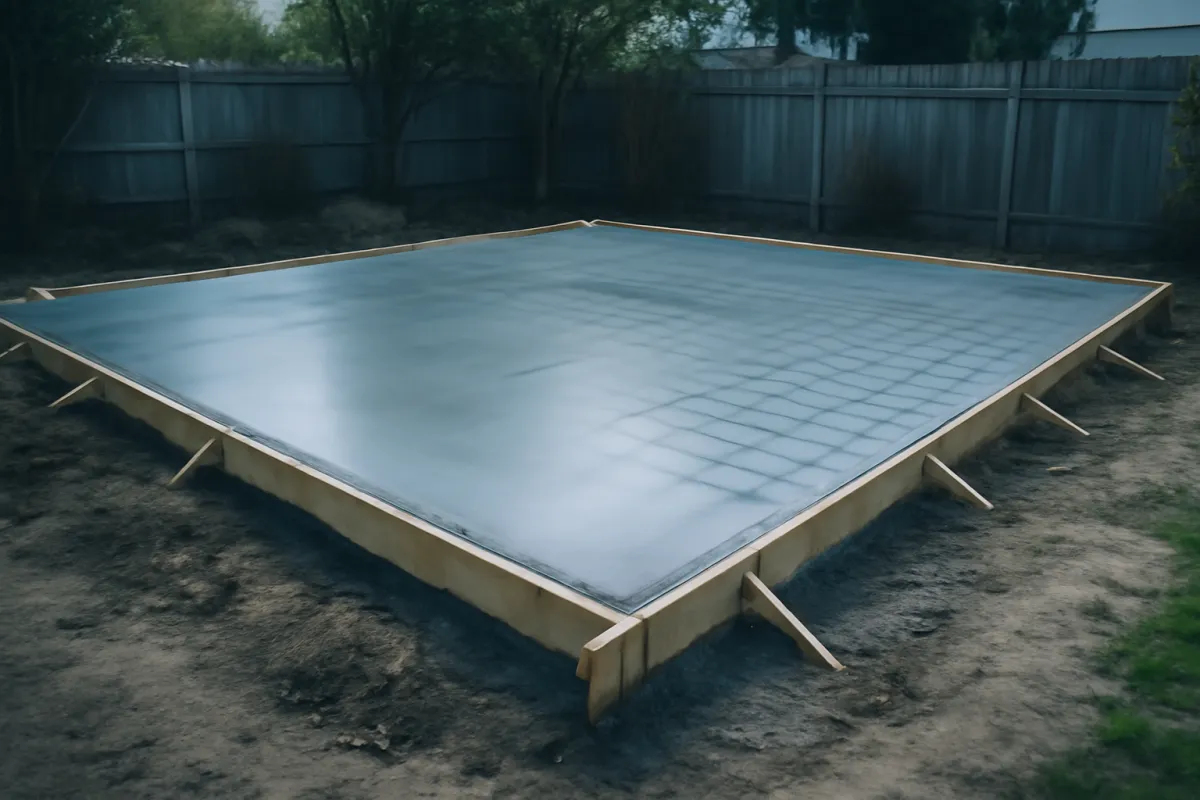
What's on this page
- What epoxy flooring costs per square foot
- Epoxy flooring cost by type and finish
- DIY epoxy kit cost versus a pro install
- Water-based epoxy versus solid epoxy cost
- Flake and metallic epoxy finish costs
- Polyaspartic coating cost and how it compares
- Epoxy garage floor cost
- Epoxy basement floor cost
- Commercial and warehouse epoxy floor cost
- What drives epoxy flooring cost up or down
- Surface prep: the biggest cost variable
- How floor condition changes the price
- Where an epoxy flooring dollar goes
- Number of coats and system thickness
- DIY epoxy flooring: is it worth it
- Durability and how long epoxy flooring lasts
- Is epoxy flooring worth it
- Epoxy flooring versus other floor coatings
- What an epoxy flooring quote should include
- A worked example: epoxy on a two-car garage
- Common mistakes that inflate epoxy flooring cost
- How to save on epoxy flooring cost
- The bottom line
Short answer: Professional epoxy floors commonly run an illustrative $3 to $12 per square foot installed, with basic single-color coats at the low end and flake, metallic or polyaspartic systems at the top; a do-it-yourself kit costs an illustrative $2 to $5 per square foot in materials. A two-car garage of roughly 400 to 500 square feet often lands at $1,500 to $6,000 installed or $300 to $1,200 in DIY materials.
Epoxy flooring cost is one of the more confusing numbers in home improvement, because the same garage can be quoted at a few hundred dollars for a big-box kit or several thousand for a professional decorative floor, and both quotes can be honest. The gap is not padding. It reflects genuinely different coatings, wildly different amounts of surface preparation, and the simple question of whether you or a crew supplies the labor. A floor that looks nearly identical in a photo can be a thin roll-on coat destined to peel in a season, or a ground, patched, and multi-coat system built to shrug off hot tires for a decade.
This cost file lays out what epoxy for flooring actually costs, so you can read a quote and know which kind of floor you are buying. It covers illustrative epoxy flooring price per square foot by system, from do-it-yourself water-based kits to solid epoxy, flake broadcast, metallic, and polyaspartic finishes; how a professional epoxy floor installation cost compares across garage, basement, and commercial jobs; what drives the price up or down, with surface prep as the biggest lever; the honest do-it-yourself versus professional math; durability and lifespan; and whether the whole thing is worth it. Every dollar figure is illustrative and varies with your concrete, region, and installer, so treat the numbers as a planning framework and sketch your own floor in the epoxy cost estimator before you budget.
Key takeaways
- Illustrative professional epoxy floors commonly run about $3 to $12 per square foot installed, with basic single-color coats at the low end and flake, metallic, or polyaspartic systems at the top. A do-it-yourself kit trades your labor for an illustrative $2 to $5 per square foot in materials.
- Surface preparation is the single biggest cost variable and the most common reason two quotes differ. Grinding, crack repair, and oil-stain removal can cost as much as the coating, and skipping it is why most coatings fail.
- The system matters as much as the square footage: water-based epoxy is thin and cheap, solid epoxy is thicker and tougher, flake and metallic are decorative premiums, and polyaspartic cures in a day and resists ultraviolet yellowing.
- A two-car garage (roughly 400 to 500 square feet) often lands at an illustrative $1,500 to $6,000 professionally installed, or an illustrative $300 to $1,200 in do-it-yourself materials, depending on the system and slab condition.
- Every figure here is illustrative and moves with your local market, concrete condition, and installer, so get written quotes for your own floor rather than budgeting from a national average.
What epoxy flooring costs per square foot
The most useful way to think about epoxy pricing is per square foot installed, because it lets you compare a small basement to a large garage on equal footing. As a rough, illustrative guide, a professional epoxy floor commonly runs about $3 to $12 per square foot, and that band spans almost the entire consumer market: a single-color coat on clean concrete near the bottom, and a flake or high-build system near the top. Step above it into metallic art floors and premium commercial systems and the number keeps climbing.
A do-it-yourself water-based kit sits below that professional range on materials alone, at an illustrative $2 to $5 per square foot, because the labor is yours and the coating is thinner. That saving is real, but it buys a shorter-lived floor and asks you to do the hardest part of the job, the preparation, without a crew or a grinder. The rest of this cost file explains why the per-foot number swings so far, so a quote stops being a mystery.
Hold two ideas as you read. First, the coating is only part of the price; prep and labor often matter more. Second, per-square-foot math flatters big floors and punishes small ones, because the fixed costs of showing up, masking, and cleaning up spread thin over a large slab and thick over a tiny one. Sketch your own space in the epoxy cost estimator so every figure below sits next to a number for your floor.
Epoxy flooring cost by type and finish
The clearest driver of price is which coating system you choose, and the choices range from a thin roll-on kit to a hand-worked metallic art floor. The table below lays out illustrative installed costs per square foot by system, from least to most expensive. Treat it as a shape rather than a quote, because your real number depends on prep, coats, region, and installer.
| System (per sq ft, installed, illustrative) | Typical cost | What it is |
|---|---|---|
| DIY water-based epoxy kit | About $2 to $5 | Thin roll-on coat, you supply the labor |
| Pro water-based or basic epoxy | About $3 to $7 | Single-color coat installed by a crew |
| Solid (100% solids) epoxy | About $5 to $9 | Thicker, tougher film for daily-use garages |
| Flake or chip broadcast epoxy | About $7 to $12 | Colored flakes cast in, clear topcoat sealed over |
| Metallic epoxy | About $10 to $18 | Marbled, three-dimensional decorative finish |
| Polyaspartic or hybrid system | About $8 to $15 | Fast-curing, ultraviolet-stable, often a one-day install |
Two patterns run through the table. The first is that decorative finishes and premium chemistries carry a real premium, because they use more material, more coats, and more skilled labor. The second is that the do-it-yourself line looks cheap only because the labor is missing from it, not because the floor is better value. The companion on this page turns any of these ranges into an installed total for your own square footage and slab condition, so you can price the system you actually want.
DIY epoxy kit cost versus a pro install
The do-it-yourself versus professional choice is the biggest fork in the epoxy budget, and it is worth walking through honestly rather than assuming cheaper is better. A big-box water-based kit is the affordable path, at an illustrative $2 to $5 per square foot in materials, which for a clean two-car garage might mean an illustrative $300 to $1,200 in product plus a weekend of your time. For a homeowner with a sound slab and patience for prep, that can be a genuinely good deal.
The professional route costs more because you are buying three things the kit does not include: mechanical surface preparation with a grinder or shot blaster, a thicker and more durable coating system, and a crew that has done it hundreds of times. Those add up to an illustrative $3 to $12 per square foot installed, but they also buy a floor that is far less likely to peel, bubble, or wear through in a season. The labor and prep you are paying for are exactly the parts that decide whether the floor lasts.
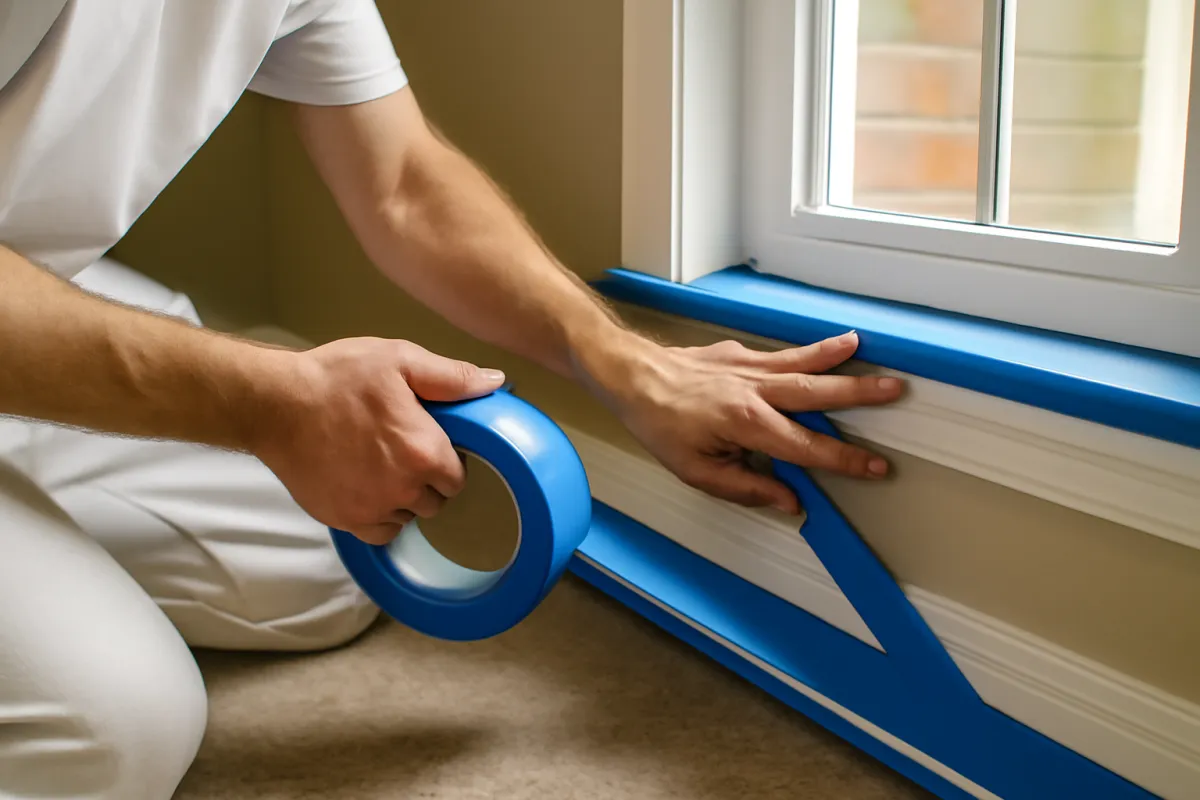
The honest rule is to match the route to the slab and the stakes. On clean, sound concrete in a low-traffic space, a careful do-it-yourself kit can serve well. On a stained, cracked, or previously coated floor, or anywhere the floor works hard, the professional prep and thicker system usually pay for themselves. Our note on planning a do-it-yourself versus hire decision walks through pricing both sides for your own project.
Water-based epoxy versus solid epoxy cost
Not all epoxy is the same chemistry, and the difference between water-based and solid epoxy explains a large part of the price gap between kits and professional floors. Water-based epoxy is thinned with water that evaporates as it cures, leaving a relatively thin film. It is the most affordable option, at an illustrative $2 to $7 per square foot depending on whether you install it or hire out, and it is what most consumer kits contain. It is easy to apply and low in odor, but the finished coat is thin and less durable.
Solid epoxy, often labeled one-hundred-percent solids, contains no water or solvent to flash off, so nearly all of what you roll on stays as cured film. That produces a much thicker, tougher floor, typically at an illustrative $5 to $9 per square foot installed. The extra body is what lets it resist hot-tire pickup, dropped tools, and heavy traffic, which is why professional garage and commercial jobs lean on it. It is less forgiving to apply, sets faster, and generally belongs in a professional’s hands.
The price difference tracks the durability difference almost exactly. You are not paying more for a fancier look with solid epoxy; you are paying for a thicker, longer-lived floor. For a light-duty basement or a budget project, water-based can be the sensible pick. For a daily-driver garage or a workspace that takes abuse, the solid system’s extra cost usually buys years of extra service. The companion on this page lets you price either system against your own floor size.
Flake and metallic epoxy finish costs
Decorative finishes are where epoxy stops being purely functional and starts being a design choice, and they carry a premium to match. A flake or chip system, where colored vinyl flakes are broadcast into the wet coating and then sealed under one or more clear topcoats, is the most popular upgrade. It hides minor slab imperfections, adds slip resistance, and looks like a finished commercial floor, at an illustrative $7 to $12 per square foot installed. The cost climbs with a heavier flake broadcast and a tougher topcoat.
Metallic epoxy is the premium decorative option and the most labor-intensive. Metallic pigments are worked across the surface to create a marbled, flowing, three-dimensional look that no two floors share, and achieving it takes skill, extra coats, and time. That artistry lands metallic floors at an illustrative $10 to $18 per square foot or more, with the wide range reflecting how much installer skill and topcoat quality vary. It is a showpiece finish for a showroom, a high-end garage, or a retail space, less common in a purely utilitarian shop.
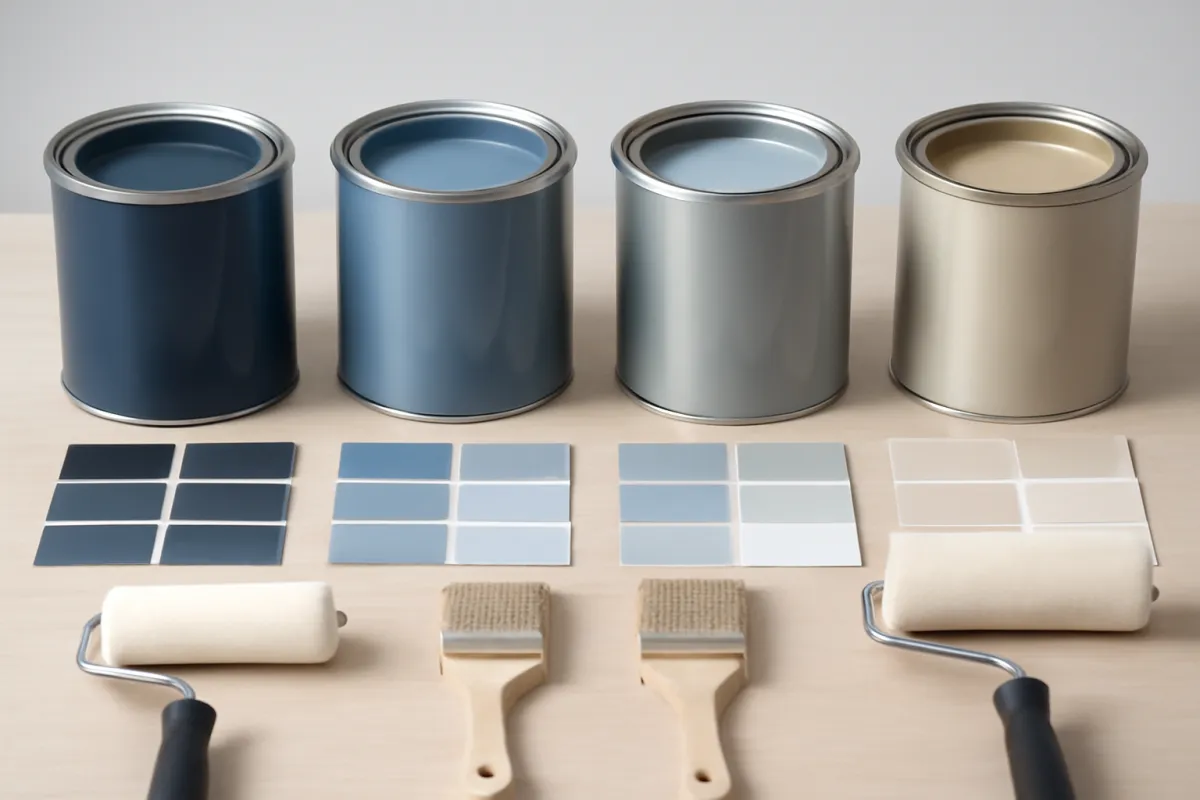
The honest way to judge a decorative quote is to ask exactly what the price includes: how heavy the flake broadcast is, how many clear topcoats seal it, and whether the topcoat is a standard epoxy or a tougher polyaspartic. Two flake quotes at very different prices often differ in those details rather than in value, so compare the systems, not just the totals.
Polyaspartic coating cost and how it compares
Polyaspartic coatings have become a popular alternative and companion to epoxy, and they occupy a distinct price tier worth understanding. Polyaspartic is a fast-curing coating in the polyurea family, often used as a durable clear topcoat over an epoxy base or, increasingly, as a complete one-day floor system. Its headline advantages are speed and stability: it can cure in hours rather than the days epoxy needs, and it resists the ultraviolet yellowing and hot-tire pickup that can dull a plain epoxy floor over time.
Those advantages come at a premium. A professional polyaspartic or epoxy-polyaspartic hybrid system commonly costs an illustrative $8 to $15 per square foot installed, sitting above basic epoxy but overlapping with decorative finishes. Part of that cost is the material itself, which is more expensive than standard epoxy, and part is the skill required, since polyaspartic sets so quickly that installers have a short working window and little room for error. The one-day turnaround is a real convenience for a garage you cannot leave out of service for a week.
Whether the premium is worth it depends on the space. For a daily-use garage, a commercial floor, a shop, or anywhere sunlight reaches, the added durability, color stability, and fast return to service often justify the cost. For a low-traffic basement or a budget project that will never see a car or the sun, a standard epoxy may deliver plenty of floor for less money. Price both against your own square footage in the epoxy cost estimator before deciding which tier fits.
Epoxy garage floor cost
The garage is the single most common place homeowners install epoxy, so it deserves its own accounting. A typical two-car garage runs roughly 400 to 500 square feet, which at an illustrative $3 to $12 per square foot puts a professional floor somewhere between about $1,500 and $6,000. A basic single-color coat on clean, sound concrete sits near the bottom, a flake system in the middle, and a metallic or premium polyaspartic build toward the top. A three-car garage scales up from there, and a single-car space scales down.
Garages carry a few cost quirks worth naming. Oil stains and tire marks are common on an existing garage slab and must be cleaned and prepped away before coating, which adds prep cost. Hot tires are the classic enemy of a thin coating, so garages are exactly where a solid epoxy or a polyaspartic topcoat earns its premium over a bargain kit. Control joints and the occasional crack need attention so the finished floor looks intentional rather than patched over.
For a homeowner weighing a garage floor as part of a larger project, it helps to see where the coating sits among other line items. Our cost to build a garage file covers the structure itself, and if you are pricing the slab, our cost to pour a concrete slab file shows what the bare concrete underneath a coating costs. The epoxy is the finish on top of all of that.
Epoxy basement floor cost
The cost to epoxy a basement floor is the second big residential question homeowners ask, and it prices a little differently from a garage. On a per-square-foot basis the illustrative $3 to $12 range still applies, but basements bring their own considerations that can push the number in either direction. On the low side, a basement floor rarely faces hot tires, so a thinner and less expensive system can be appropriate for a space that only sees foot traffic and the occasional dropped box.
On the higher side, basements are more prone to moisture coming up through the slab, and moisture is the enemy of any coating. A floor that looks dry can still pass water vapor, which can cause an epoxy coating to bubble or delaminate over time, so a moisture test before coating is money well spent. If the test shows elevated moisture, a vapor-barrier primer or a different system may be needed, which adds cost but prevents a failed floor. Skipping that step is a common way a basement epoxy job goes wrong.
Basement epoxy makes the most sense as part of a broader finishing plan, where a durable, cleanable, and brighter floor beats bare concrete and does not carry the moisture risk that carpet or wood would in a below-grade space. For how flooring fits the larger basement budget, our cost to finish a basement file shows where the floor sits among framing, drywall, and the rest of the scope. Price your own basement in the companion to see the coating line on its own.
Commercial and warehouse epoxy floor cost
Commercial and industrial floors are where epoxy started, and they anchor the high-durability end of the market. Warehouses, workshops, showrooms, restaurants, and garages that see forklifts or heavy foot traffic use epoxy because it is seamless, chemical resistant, easy to clean, and can be built up thick enough to take real abuse. Illustrative pricing for commercial work often runs a wide $4 to $12 per square foot or more, with the spread driven by the required thickness, the topcoat, and whether decorative or safety features like anti-slip aggregate and color-coded zones are added.
Large commercial floors get one advantage residential jobs do not: scale. The fixed costs of mobilization, masking, and cleanup spread across thousands of square feet, so the per-foot number can drop below what a small garage pays. Working against that, commercial specifications are often stricter, demanding thicker high-build systems, moisture mitigation, and coatings rated for specific chemicals, all of which add cost. A food-service or industrial floor may also need integral coving and a slip-resistant surface that a home garage never would.
The through-line from residential to commercial is the same: the coating is a fraction of the story, and the preparation, thickness, and system chemistry decide both the price and the lifespan. A commercial buyer comparing bids should normalize them the way any smart buyer normalizes a construction quote, which our note on comparing contractor quotes lays out. The lowest number usually thinned the prep or the build, exactly the parts a hard-working floor depends on.
What drives epoxy flooring cost up or down
No single factor sets the price, so it helps to see how much each one tends to pull on the total. Surface preparation and the condition of the concrete carry the most weight, because a rough, stained, or previously coated slab can take as much labor to prepare as the coating itself takes to apply. The system and finish come next, since the jump from a basic coat to a flake or metallic build changes both material and labor. The number of coats and the film thickness, the do-it-yourself versus professional choice, and the size and access of the floor round out the picture.
What drives epoxy flooring cost
Illustrative weighting of how much each factor tends to pull on the total.
The weights are illustrative. The pattern is fixed: prep and the system carry the most weight, and thickness, install path, and size settle the rest.
Hold this shape in mind when you read a quote. If one bid is far below the others, the gap almost always lives in the two heaviest factors, the prep and the system, because those are the easiest lines to quietly thin. A quote that spells out the grinding method, the coating chemistry, and the number of coats is describing a real floor; one that just names a price and a color is hiding where the money went.
Surface prep: the biggest cost variable
If you remember one thing about epoxy pricing, make it this: preparation is the biggest variable and the biggest reason floors fail. Epoxy bonds mechanically to concrete, which means the surface has to be opened up and cleaned so the coating can grip. That is done by mechanically grinding the slab with a diamond grinder or, on large jobs, shot blasting it, then repairing cracks, filling pits, and removing any oil, sealer, or old coating. On a difficult slab, all of that can cost as much as the coating that goes on top.
The temptation, especially in the do-it-yourself world, is to skip or shortcut the prep with a quick acid etch and a mop, because grinding is dusty, slow, and requires rented equipment. That shortcut is exactly why so many bargain floors peel within a year: the coating never got a proper mechanical bond. A professional quote that includes real grinding is not padding the bill; it is buying the single thing that determines whether the floor lasts. When you compare prices, confirm each one includes mechanical prep, not just a chemical wash.
Prep cost also explains why a previously coated or heavily stained floor costs more than a bare, clean slab. Removing an old failing coating, grinding out embedded oil, and repairing spalled concrete are all labor, and labor is the largest movable cost on the job. The companion on this page lets you flag your floor’s condition and watch the prep add change the total, which mirrors how a real estimator would price your slab.
How floor condition changes the price
The state of your existing concrete is the input most likely to surprise you, because you cannot always see the problems that add cost. A clean, sound, bare slab is the ideal and the cheapest to coat, since it needs only standard grinding before the coating goes down. A floor with minor cracks, light oil staining, or a few pits sits in the middle: each defect is a small repair, and together they add a modest per-foot premium for the extra labor and materials.
A floor in poor condition is where the budget can jump. Deep or active cracks, heavy oil saturation, spalling, a previously applied sealer or coating that must come off, or elevated moisture coming up through the slab all add real labor and sometimes specialized products like moisture-mitigation primers. In the worst cases, a slab is a poor candidate for coating at all until the underlying problem is addressed, and coating over it anyway wastes the money. An honest installer will tell you when the concrete needs work first.
This is why a quote should follow an inspection of your actual floor, not a phone estimate from square footage alone. Two identical garages can price hundreds of dollars apart purely on the condition of the concrete underneath. Set your floor’s condition in the companion to see how much prep changes your own range, and treat a suspiciously low quote as a sign the bidder has not accounted for the state of your slab.
Where an epoxy flooring dollar goes
It helps to see how an installed epoxy budget divides, because it explains why prep matters so much and why the cheapest quote usually cut a real corner. On a typical professionally installed floor, surface preparation and the coating material are the two largest bands, install labor is the next, and the smaller share covers mobilization, masking, and cleanup. The exact split shifts with the slab and the system, but the shape is consistent.
Where an epoxy flooring dollar goes
Illustrative breakdown of a professionally installed floor, summing to 100.
The shares are illustrative. The principle is fixed: prep and material are the two big bands, so a quote that cheapens either is buying a different floor.
The prep and material bands are where a bargain quote quietly saves money, and they are exactly the bands that decide whether the floor lasts. A bid far below the others has to have thinned one of them, most often by trading a proper grind for an acid wash or a thick solid system for a thin water-based coat. When you compare epoxy quotes, look past the total and ask what prep and what coating each price actually buys, so you are comparing the same floor.
Number of coats and system thickness
Epoxy is sold as a system, not a single product, and how many coats it includes drives both the price and the durability. A minimal budget job might be a single pigmented coat rolled over prepped concrete. A proper professional system usually stacks several layers: a penetrating primer that grips the slab, one or two body coats that build the film, any decorative flake or metallic layer, and one or more clear topcoats that take the daily wear. Each layer adds material and labor, and each adds toughness.
Thickness, measured in mils, is the physical result of those coats, and it correlates strongly with how long the floor lasts. A thin, single-coat kit floor is measured in a few mils and wears accordingly; a high-build commercial system can be many times thicker and shrug off traffic for years. This is the core reason a professional system costs more than a kit: it is simply more floor. When a quote lists a system by its coats and topcoat, it is telling you how thick and durable the finished floor will be.
The practical takeaway is to price coats and thickness deliberately rather than by default. For a light-duty basement, a modest system may be plenty. For a hard-working garage or shop, spending up for an extra body coat or a tougher topcoat buys years of service that a thin coat cannot. The companion lets you compare thinner and thicker systems by moving between the water-based, solid, flake, and polyaspartic options and watching the installed total respond.
DIY epoxy flooring: is it worth it
The do-it-yourself route is genuinely appealing, and for the right floor it is worth it, so it deserves a clear-eyed look. The appeal is obvious: a big-box kit at an illustrative $2 to $5 per square foot in materials can coat a garage for a few hundred dollars plus a weekend, a fraction of a professional quote. For a homeowner with a clean, sound slab, realistic expectations, and the patience to prep carefully, that is a legitimately good outcome and a satisfying project.
The risks are equally real and almost all trace back to preparation. Kit instructions often lean on acid etching rather than grinding, and an etched surface does not grip as well as a ground one, so a rushed do-it-yourself floor is the classic candidate to peel or bubble within a season. Kits also produce a thin coat that will not last as long as a professional high-build system, so even a successful do-it-yourself floor is a shorter-term solution. Rent a grinder rather than relying on acid, follow the cure times exactly, and do not coat a damp or stained slab without addressing it first.
The honest verdict is that do-it-yourself epoxy is worth it when the slab cooperates and the stakes are modest, and a false economy when the concrete is stained, cracked, or damp or when you need the floor to last a decade. A peeling floor costs more to strip and redo than the professional job would have cost once. Our note on planning a do-it-yourself versus hire decision helps you weigh the saving against the risk for your own floor.
Durability and how long epoxy flooring lasts
Lifespan is where the price differences pay off or come back to bite, so it is worth setting honest expectations. A professionally installed, properly prepared epoxy or polyaspartic floor commonly lasts an illustrative ten to twenty years or more in a residential garage, while a thin do-it-yourself water-based coat often lasts closer to an illustrative two to five years before it wants a refresh. The range is wide because durability depends far more on preparation and thickness than on the label on the bucket.
The factors that shorten any coating’s life are predictable: hot tires that lift a thin coat, chemical and oil spills left to sit, abrasion from grit and heavy traffic, ultraviolet light that can yellow a standard epoxy, and moisture pushing up through the slab. Matching the system to those stresses is how you buy longevity. A garage that parks a daily driver wants a solid epoxy or a polyaspartic topcoat that resists hot-tire pickup; a sunlit or outdoor-adjacent floor wants the ultraviolet stability polyaspartic provides; a below-grade basement wants moisture addressed before anything is coated.
Spread over a realistic service life, even a premium floor often works out to a modest illustrative cost per year, which is worth remembering when a bargain kit tempts you. A $2,500 professional floor that lasts fifteen years and a $600 kit floor that lasts three are much closer in annual cost than the sticker prices suggest, and the professional floor spares you the labor of redoing it. Durability, in other words, is a cost factor, not just a quality one.
Is epoxy flooring worth it
For most functional floors, epoxy is worth it, and the value case is easy to state. It takes porous, dusty, stain-prone concrete and turns it into a hard, seamless, cleanable surface that resists oil, chemicals, and abrasion, brightens a dim garage or basement, and wipes down in minutes. It does all of that for a fraction of what tearing out and replacing the floor would cost, and a good coating can last well over a decade. For a garage, a workshop, a basement, or a commercial space, that combination of durability, cleanliness, and cost is hard to beat.
The value case weakens in specific situations worth naming honestly. A slab with a moisture problem, active cracking, or structural trouble is a poor candidate, because a coating cannot fix what is happening in the concrete and may fail early over it. A floor that will never see the abuse epoxy is built to resist may not justify the cost over a simpler sealer. And a rushed, under-prepped job, whether do-it-yourself or a lowball professional, can peel and become a worse surface than the bare concrete it covered.
The honest framing is that epoxy is worth it for a sound floor prepared correctly, and a poor investment for a bad slab or a corner-cutting install. The deciding questions are whether your concrete is a good candidate and whether the quote buys real prep and a system matched to how the floor will work. Answer those two well and the durability and low maintenance usually justify the illustrative cost several times over.
Epoxy flooring versus other floor coatings
Epoxy is not the only way to finish a concrete floor, and understanding the alternatives helps you judge whether an epoxy quote is the right spend. The closest competitor is polyaspartic, covered above, which costs more but cures faster and resists ultraviolet yellowing, and is often paired with epoxy rather than chosen instead of it. A simpler and cheaper option is a penetrating concrete sealer or a densifier, which soaks in rather than building a film; it costs far less but offers none of the color, thickness, or wipe-clean surface a coating does.
For a living space rather than a garage or shop, the comparison shifts to conventional flooring. Epoxy is a hard, cold, industrial surface that suits a garage or basement but rarely a bedroom or living room, where a warmer, softer floor is usually preferred. If you are weighing a coating against a finished floor for a living area, our comparison of vinyl versus laminate flooring covers the mid-tier options that make more sense underfoot in a room where people relax rather than park.
The right way to choose is by the room and the job. For a working floor that needs to resist tires, tools, and spills and be easy to clean, epoxy or polyaspartic is usually the answer, and the choice between them is durability and budget. For a living space, a warmer finished floor almost always wins. For a floor that just needs dust control on a budget, a sealer may be enough. Price the coating options against your own floor in the epoxy cost estimator before you commit.
What an epoxy flooring quote should include
A complete epoxy quote protects you from the low bid that cut a real corner, so it helps to know what belongs in one. A thorough quote should spell out the surface preparation method (mechanical grinding or shot blasting, not just an acid wash), the crack and stain repairs included, the specific coating system and its chemistry (water-based, solid epoxy, flake, metallic, or polyaspartic), the number of coats and the topcoat, the color or flake blend, and the cleanup and cure time before you can use the floor. When those lines are itemized, you can compare bids on equal footing instead of guessing.
The lines that quietly disappear from a cheap quote are the prep and the system thickness, and those are exactly the ones that decide whether the floor lasts. A bid far below the others has to have thinned something real, so before you choose on price, confirm each quote includes the same grinding, the same coating chemistry, and the same number of coats, not just the same square footage. Ask two more questions of any quote: what happens if the installer finds moisture or a bad slab once prep begins, and what the workmanship warranty covers.
Hold every quote against your own epoxy cost estimator sketch, so a number far above or below your illustrative range is a prompt to ask why. Our note on comparing contractor quotes shows how to normalize bids so the true low price, not just the lowest number, reveals itself.
A worked example: epoxy on a two-car garage
Walk one illustrative project through the numbers to see how the factors connect. A homeowner has a roughly 450-square-foot two-car garage with a slab in fair condition: clean overall, but with a few oil stains near where a car parks and a couple of minor cracks. They want a durable, good-looking floor they will not have to redo soon, and they are deciding between a do-it-yourself kit and a professional flake system.
The do-it-yourself path prices out first. A quality water-based kit at an illustrative $3 per square foot in materials runs about $1,350 for the 450 feet, plus a grinder rental and a weekend of labor. It would produce a serviceable single-color floor, but the oil stains and cracks need real attention the kit does not fully address, and the thin coat may want a refresh in a few years. The professional flake system prices next: at an illustrative $9 per square foot installed, including proper grinding, stain and crack repair, a solid epoxy base, a full flake broadcast, and a clear topcoat, the 450-foot garage lands near $4,050, and the companion on this page lets them adjust that for their own condition and system.
The homeowner weighs the roughly $2,700 difference against the stakes. Because the slab has stains and cracks that reward real prep, and because they want a floor that lasts a decade rather than a few years, they choose the professional flake system, judging the extra cost as buying prep they could not do as well themselves plus years of extra life. Had the slab been clean and sound and the space low-traffic, the do-it-yourself kit would have been the smarter spend. The lesson is the shape, not the exact dollars: let the slab’s condition and how hard the floor will work decide the route, and price both before choosing.
Common mistakes that inflate epoxy flooring cost
Most epoxy regrets and overspends trace back to a short list of avoidable errors, and every one is a factor the buyer assumed instead of checking.
- Skipping or shortcutting the prep. An acid etch instead of a mechanical grind is the number-one reason coatings peel, and a peeling floor costs more to strip and redo than doing it right the first time. Confirm real grinding is in the scope.
- Buying on the total instead of the system. A cheap quote almost always thinned the prep or the coating. Compare the grinding method, the chemistry, and the number of coats, not just the price and the color.
- Coating a slab with a moisture problem. Moisture pushing up through a basement or garage slab can bubble and lift any coating. Test for moisture first, especially below grade, and address it before spending on a floor.
- Underestimating small floors per square foot. Fixed costs of showing up, masking, and cleanup spread thin over a big slab and thick over a tiny one, so a small floor costs more per foot than the headline range suggests.
- Choosing a thin kit for a hard-working floor. A water-based kit under a daily driver or in a busy shop is a false economy that wears out fast. Match the system thickness to the traffic and the hot tires.
- Not asking about the slab surprise. If prep uncovers moisture, spalling, or a bad slab, know in advance whether that is a change order or included, so it does not become a mid-job dispute.
Every one of these is prevented by the same discipline: insist on real prep, compare systems rather than totals, test a questionable slab, and match the coating to how the floor will actually be used.
How to save on epoxy flooring cost
Saving on epoxy is possible without gutting the quality, as long as you cut the right things and not the prep. The largest legitimate saving is your own labor, but only on a floor that suits a do-it-yourself kit: a clean, sound, low-traffic slab where a thinner coat is acceptable. On that kind of floor, renting a grinder and doing careful prep yourself captures most of the professional result for the material cost alone. The saving evaporates the moment the slab needs repairs you are not equipped to make.
Other honest savings come from scope and timing rather than corner-cutting. Choosing a single-color or light-flake finish over a metallic art floor saves real money for a garage that values durability over showpiece looks. Coating only the space that needs it, rather than every square foot, trims the total. Bundling the job with other concrete work while a crew is already mobilized can spread the fixed costs. And gathering multiple itemized quotes, then normalizing them, often reveals a fair price you would have overpaid without the comparison.
The saving to never chase is thinner prep or a cheaper system on a floor that will work hard, because that is the discipline that pays for itself. A floor that peels is not a saving; it is a second job. Sketch your own floor in the epoxy cost estimator to find the system and scope that fit your budget, and let the quotes compete on an itemized scope so the cut comes from the right place.
The bottom line
Epoxy flooring cost looks confusing only until you see what the price is really buying. Illustrative professional floors run about $3 to $12 per square foot installed, with basic coats at the bottom and flake, metallic, and polyaspartic systems at the top, while a do-it-yourself kit trades your labor for an illustrative $2 to $5 per square foot in materials. The single biggest lever behind any quote is preparation, since grinding and repairing the concrete can cost as much as the coating and decides whether the floor lasts, which is why the cheapest bid so often becomes the most expensive one.
Choose by matching the system to the floor. A clean, low-traffic slab can take a modest coat or a careful do-it-yourself kit; a hard-working garage, a sunlit space, or a stained and cracked slab rewards a thicker professional system and real prep. Compare quotes on their prep method, chemistry, and number of coats rather than on the total, test a questionable slab for moisture, and treat every dollar figure here as an illustrative starting point. Sketch your own floor in the epoxy cost estimator so the decision sits next to real numbers, and get written quotes for the concrete you actually have.
ProsNook publishes this cost file to help homeowners understand what an epoxy floor should cost and why quotes vary, not to serve as professional installation, engineering, or product advice. Every dollar figure, cost per square foot, thickness, and lifespan above is illustrative and will differ with your concrete condition, local market, chosen system, and installer, so treat them as a planning framework rather than a quote. A coating can only perform as well as the slab beneath it, so confirm your concrete is a sound, dry candidate before spending, verify moisture and structural condition where relevant, and get written quotes from local installers that spell out the preparation, system, and number of coats for your own floor.
Frequently asked questions
How much does epoxy flooring cost per square foot?
As a rough, illustrative guide, epoxy flooring commonly runs somewhere between about $3 and $12 per square foot installed by a professional, with the low end covering a basic single-color coat and the high end covering flake or premium systems. A do-it-yourself water-based kit can drop the material cost to an illustrative $2 to $5 per square foot because you supply the labor, while a metallic or high-build commercial system can climb well above the top of that range. The single biggest reason two quotes for the same garage differ is surface preparation, since grinding and repairing the concrete can cost as much as the coating itself. Every figure here is illustrative and varies with your concrete condition, region, and installer, so get written quotes for your own floor before you budget.
How much does it cost to epoxy a two-car garage?
A typical two-car garage is roughly 400 to 500 square feet, so at an illustrative $3 to $12 per square foot a professional epoxy floor often lands somewhere between about $1,500 and $6,000, depending heavily on the system and the condition of the slab. A basic single-color coat on clean, sound concrete sits near the bottom of that band, while a full flake broadcast system or a metallic finish pushes toward the top. A do-it-yourself kit for the same garage might run an illustrative $300 to $1,200 in materials, trading your weekend for the labor savings. These are planning numbers only, and a cracked, oil-stained, or previously coated slab adds prep cost that can move the total substantially, so treat local quotes as the real figure.
Is a DIY epoxy kit worth it or should I hire a pro?
A do-it-yourself kit is worth it when the concrete is in good shape, you are comfortable with careful prep, and you accept a thinner, shorter-lived coating in exchange for saving the labor. Big-box water-based kits are the most affordable route at an illustrative $2 to $5 per square foot in materials, and a patient homeowner can coat a clean garage over a long weekend. The catch is that most kit failures trace back to skipped or rushed preparation, since epoxy only bonds as well as the surface underneath it, and a peeling floor costs more to fix than it saved. Hiring a pro buys proper mechanical grinding, thicker high-solids or polyaspartic systems, and a workmanship warranty. If the slab is stained, cracked, or previously sealed, the professional edge usually justifies the added cost.
What is the difference in cost between water-based and solid epoxy?
Water-based epoxy is the thinner, more affordable option and is what most consumer kits contain, landing at an illustrative $2 to $7 per square foot depending on whether you install it yourself or hire out. Solid or one-hundred-percent-solids epoxy contains no water or solvent to evaporate, so it cures into a thicker, more durable film and typically costs more, at an illustrative $5 to $9 per square foot installed. The practical tradeoff is longevity and toughness: solid epoxy stands up to hot tires, dropped tools, and heavy traffic far better, which is why it dominates professional garage and commercial work. Water-based coatings suit lighter-duty spaces and budget projects. Both figures are illustrative and depend on prep, coats, and your market.
How much does a metallic or flake epoxy floor cost?
Decorative finishes carry a premium over a plain single-color coat because they use more material and more skilled labor. A full flake or chip broadcast system, where colored vinyl flakes are cast into the coating and sealed with a clear topcoat, commonly runs an illustrative $7 to $12 per square foot installed. A metallic epoxy floor, where pigments are manipulated to create a marbled, three-dimensional look, is the most labor-intensive decorative option and often lands at an illustrative $10 to $18 per square foot or more. The wide spread reflects how much the artistry, number of coats, and topcoat quality vary between installers. These are illustrative planning ranges, so gather quotes that spell out the exact system and topcoat before comparing prices.
What is polyaspartic and is it worth the extra cost?
Polyaspartic is a fast-curing floor coating in the polyurea family, often used as a topcoat over an epoxy base or as a complete one-day system, and it is prized for curing in hours rather than days and for resisting ultraviolet yellowing and hot-tire pickup. A professional polyaspartic or hybrid system commonly costs an illustrative $8 to $15 per square foot installed, a premium over basic epoxy that buys faster turnaround, better durability, and a topcoat that holds its color outdoors and in sunlit garages. Whether it is worth the extra depends on how you use the space: for a daily-driver garage, a shop, or anywhere sunlight reaches, many owners find the added toughness and one-day install pay off. For a low-traffic basement, a standard epoxy may be plenty.
How long does an epoxy floor last?
A professionally installed, properly prepared epoxy or polyaspartic floor commonly lasts somewhere in the illustrative range of ten to twenty years or more in a residential garage, and a thin do-it-yourself water-based coat often lasts closer to two to five years before it needs a refresh. The single largest factor is not the brand but the preparation and the system thickness, since a coating over ground, sound concrete outlasts one rolled over a slick or dirty surface many times over. Traffic, hot tires, chemical spills, and moisture coming up through the slab all shorten the life of any coating. Matching the system to how hard the floor will work, and preparing the concrete correctly, does more for longevity than any single product choice.
Is epoxy flooring worth it?
For most garages, workshops, basements, and commercial floors, epoxy is worth it because it turns porous, dust-shedding, stain-prone concrete into a hard, cleanable, and attractive surface for a fraction of what a full floor replacement would cost. It resists oil, chemicals, and abrasion, brightens a dim space, and is far easier to sweep and mop than bare concrete. The value case weakens when the slab has moisture problems, active cracking, or is in poor structural shape, since a coating cannot fix what is happening underneath and may fail early. For a sound floor prepared correctly, the durability and low maintenance usually justify the illustrative cost, but confirm your slab is a good candidate before you spend.