What's on this page
- What carpet installation costs per square foot
- Carpet cost by fiber type
- What drives carpet installation cost up or down
- Carpet pile and style: cut, loop, frieze, berber
- Carpet padding cost and why it matters
- Installation method: stretch-in vs glue-down vs carpet tile
- Removing old flooring and subfloor prep
- Stairs and other cost add-ons
- Carpet vs LVP, laminate, and hardwood cost
- Where an installed carpet dollar goes
- Total carpet project cost by room size
- Carpet cost for a whole house
- Cost by room: bedrooms, living rooms, basements, stairs
- Where carpet struggles: moisture, allergies, pets
- DIY carpet install cost versus hiring a pro
- How long carpet lasts
- Is carpet worth it
- What a carpet installation quote should include
- A worked example: carpet in a bedroom suite
- Comparing carpet installer quotes
- Common mistakes that inflate carpet installation cost
- How to save on carpet installation cost
- The bottom line
Short answer: Carpet installation cost commonly runs an illustrative $2 to $8 per square foot installed for polyester, olefin, and most nylon builds, including a standard pad, and about $8 to $14 or more for wool and premium builds. Material runs $1 to $5 per square foot, padding adds $0.50 to $1.50, and install labor adds $1 to $2. Carpet typically lasts five to fifteen years, shorter than any other common residential floor.
Carpet installation cost is one of the most variable numbers in flooring, and it surprises people in both directions. A budget polyester with a thin pad can be the cheapest floor in this entire site’s flooring lineup, while a dense wool pile with an upgraded pad can cost more than entry-level hardwood. That is not a pricing error. Carpet spans the widest range of any flooring category because the fiber, the pile construction, and the padding underneath do most of the work that a buyer never sees in the showroom sample, and all three move the price independently.
This cost file lays out what carpet installation actually costs, so you can read a quote and know which floor you are buying. It covers illustrative price per square foot for material, padding, and labor, what drives the number up or down (fiber type, pile style, padding tier, installation method, room complexity, and old floor removal), how carpet compares on cost and lifespan to LVP, laminate, and hardwood, the honest do-it-yourself feasibility, total project cost by room size and for a whole house, and where carpet is and is not the right choice. Every dollar figure is illustrative and varies with your fiber, region, and installer, so treat the numbers as a planning framework and sketch your own rooms in the flooring cost estimator before you budget. For the floors carpet competes against, our hardwood floor cost, LVP flooring cost, and vinyl versus laminate flooring files sit alongside this one.
Key takeaways
- Illustrative carpet installation commonly runs about $2 to $8 per square foot for polyester, olefin, and most nylon, including a standard pad, and about $8 to $14 or more for wool and premium builds.
- Fiber and pile are the strongest lever on the material price: polyester and olefin anchor the affordable end, nylon and triexta sit in the middle, and wool sits at the top.
- Padding is not a footnote. A thicker or denser pad commonly adds an illustrative $0.50 to $1.50 per square foot and changes how the carpet feels and wears, so confirm it is itemized on every quote.
- Carpet typically lasts an illustrative five to fifteen years, the shortest lifespan of any common residential floor, because it can be cleaned and patched but never refinished the way hardwood can.
- Every figure here is illustrative and moves with your fiber, pile, padding, local market, and installer, so get written quotes for your own rooms rather than budgeting from a national average.
What carpet installation costs per square foot
The most useful way to think about carpet pricing is per square foot installed, because it lets you compare a single bedroom to a whole floor on equal footing. As a rough, illustrative guide, professionally installed carpet commonly runs about $2 to $8 per square foot for polyester, olefin, and most nylon builds, with a standard pad included in that range. Wool and premium nylon or triexta builds climb to an illustrative $8 to $14 or more per square foot, which can approach or exceed entry-level hardwood.
Underneath that installed figure sit three moving parts. The carpet material itself typically lands at an illustrative $1 to $5 per square foot depending on fiber and pile. Padding adds roughly $0.50 to $1.50 per square foot, sometimes bundled into the headline price and sometimes billed separately. Install labor adds another illustrative $1 to $2 per square foot on top for a standard stretch-in job, more for a complex layout or a lot of seaming. A do-it-yourself install can remove much of that labor line on the right product, though traditional stretch-in carpet asks more skill than it looks.
Hold two ideas as you read the rest of this cost file. First, fiber and pile move the material price more than almost anything else, so the carpet you choose sets the floor of your budget before padding or labor enter the picture. Second, per-square-foot math flatters big open floors and punishes small, cut-up rooms with a lot of closets and doorways, because the fixed costs of showing up, prepping, stretching, and seaming spread thin over a large area and thick over a tiny one. Sketch your own space in the flooring cost estimator so every figure below sits next to a number for your rooms.
Carpet cost by fiber type
The clearest driver of the material price is the fiber, and the table below lays out illustrative costs per square foot by common fiber type, from least to most expensive, along with a note on how each performs. Treat it as a shape rather than a quote, because your real number depends on the pile, the backing, the brand, and your market.
| Fiber type (illustrative) | Material per sq ft | Installed per sq ft (with pad) | Character |
|---|---|---|---|
| Olefin (polypropylene) | About $1 to $2 | About $2 to $4 | Stain and moisture resistant, common in berber loops, mats under weight |
| Polyester | About $1 to $2.50 | About $2 to $5 | Soft hand feel, wide color range, can crush in heavy traffic |
| Nylon | About $2 to $5 | About $4 to $8 | The durability standard, resists matting and crushing well |
| Triexta | About $3 to $5 | About $5 to $9 | Stain resistant by its own fiber structure, a newer alternative to nylon |
| Wool | About $5 to $9 | About $8 to $14 or more | Natural fiber, resilient and long-wearing, premium price |
Two patterns run through the table. The first is that fiber sets the material floor more than any other single choice: olefin and wool can differ by several dollars a square foot before a single hour of labor is added. The second is that nylon covers the largest share of homes well, balancing durability against price, so paying up to wool makes sense mainly when you want its specific resilience, natural-fiber feel, or look rather than because a typical room requires it. The companion on this page turns any of these picks into an installed total for your own square footage.
What drives carpet installation cost up or down
No single factor sets the price, so it helps to see how much each one tends to pull on the total. Fiber and pile carry the most weight, because they move the material line directly and span a wide range. Padding tier comes next, followed by install method and room complexity, with old floor removal and subfloor prep rounding out the picture.
What drives carpet installation cost
Illustrative weighting of how much each factor tends to pull on the total.
The weights are illustrative. The pattern is fixed: fiber and padding carry the most weight, and the install itself settles the rest.
Hold this shape in mind when you read a quote. If one bid is far below the others, the gap almost always lives in the two heaviest factors, the fiber and the padding, because those are the easiest lines to quietly thin by substituting a cheaper face weight or a thinner pad while still naming a price per square foot. A quote that names the specific fiber, the face weight or density, the pad thickness, and the installation method is describing a real floor; one that just names a price per room is hiding where the money went. Our note on comparing contractor quotes shows how to normalize bids so the true low price reveals itself.
Carpet pile and style: cut, loop, frieze, berber
Beyond fiber, how the yarn is tufted, the pile, changes both the look and the cost almost as much as the fiber itself. Cut pile, where the yarn loops are sheared at the top, is the most common residential style and ranges from a short, dense plush to a longer, more textured saxony, with denser and more twisted yarns costing more because they use more fiber and resist matting better. Loop pile, including berber, leaves the yarn loops uncut, which is durable and often cheaper per square foot, though a snagged loop can run and is harder to repair than a cut pile fiber.
Frieze, sometimes called a twist or shag-adjacent style, uses highly twisted, longer fibers that curl in different directions, which hides footprints and vacuum marks well and suits a busy family room, usually at a mid to upper price point. Pattern and cut-and-loop combinations, where cut and uncut yarns form a texture or design in the same carpet, cost more to manufacture and typically sit toward the premium end regardless of fiber. None of these styles is objectively better; they trade durability, texture, and how forgiving the carpet is of daily wear and tear against price.
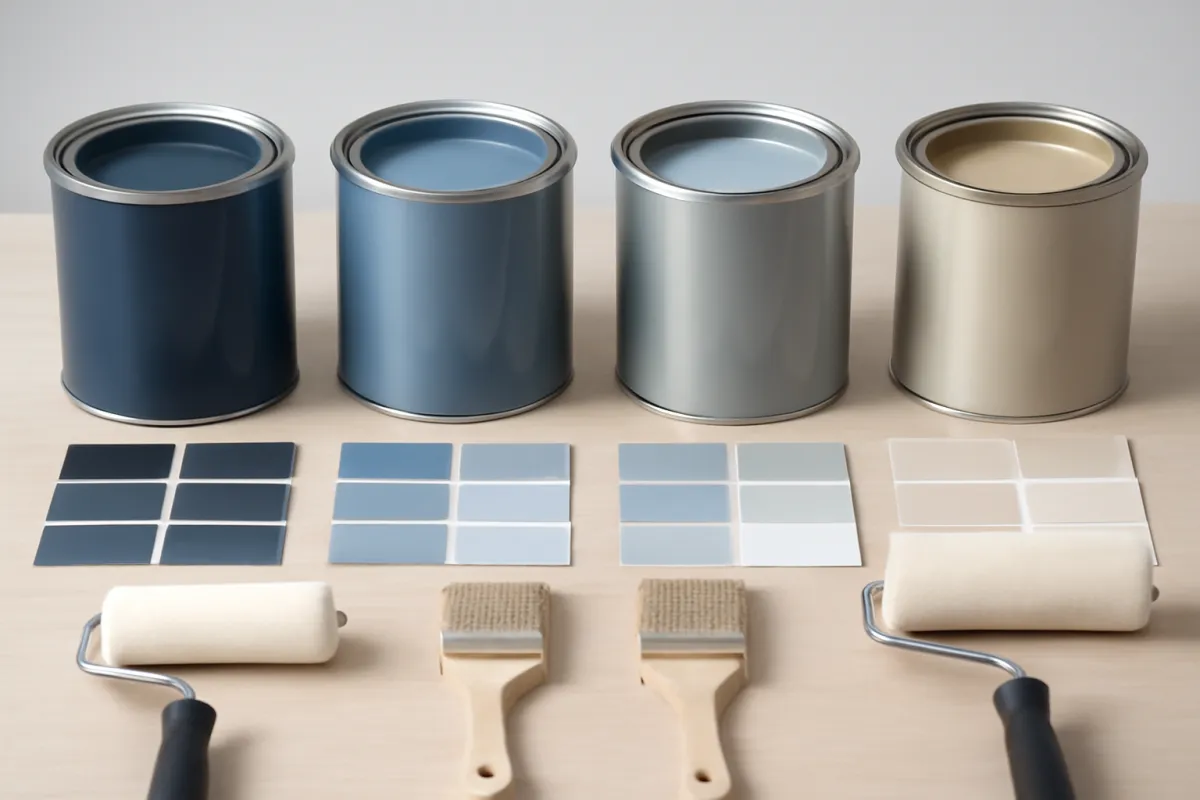
The practical takeaway is to treat pile as a real budget and lifestyle decision, not a free style choice. A dense, tightly twisted cut pile or a durable loop in a busy living room or on stairs earns its cost back in years of service, while a plush, loosely twisted pile that looks luxurious in the showroom can mat down fast underfoot in a high-traffic spot. Match the pile to how the room lives, and price it in the companion to see how pile and fiber together move your total.
Carpet padding cost and why it matters
Padding is the part of a carpet budget that is easiest to underestimate, because it sits beneath the carpet and never shows in a photo, yet it does real work. A standard foam or rebond pad commonly adds an illustrative $0.50 to $1 per square foot, while a thicker, denser upgraded pad, the kind recommended under a premium fiber or in a room that gets hard use, can add an illustrative $1 to $1.50 per square foot or more. Some installers and retailers fold a standard pad into the advertised installed price, and others bill it as a separate line, so it is worth asking directly which you are looking at before you compare two numbers.
What the pad buys is not just comfort underfoot, though that is real. Density, not just thickness, is what keeps a carpet from crushing and matting prematurely, because a pad that is too soft lets the carpet backing flex every time it is walked on, which fatigues the fibers faster than the carpet’s own wear would. A pad that is too thick can also void some carpet warranties and can make stretch-in installation less secure. The honest rule is to match the pad’s density to the fiber and the traffic rather than defaulting to the thickest or the cheapest option in the showroom.
The practical move is to never let padding be the silent line that a bargain quote cuts to hit a lower headline number. A cheap, thin pad under a good carpet shortens the carpet’s life and can make even a durable nylon feel tired within a few years, which erases the saving. Ask every quote to state the pad brand, thickness, and density, not just a price, and the companion on this page lets you toggle between a standard and an upgraded pad to see the real cost of each.
Installation method: stretch-in vs glue-down vs carpet tile
How the carpet is attached to the floor is its own cost and performance decision. Stretch-in installation, the traditional method for broadloom carpet over padding, nails tack strips around the room’s perimeter, then stretches the carpet drum-tight with a power stretcher so it lies flat without wrinkling. This is the most common residential method and generally the most comfortable underfoot, because the pad absorbs impact, but it calls for specialty tools and real skill to do well.
Glue-down installation skips the pad and bonds the carpet directly to the subfloor, which is common in commercial settings, over concrete, or with carpet tile, and tends to be more dimensionally stable in high-traffic or rolling-chair areas. It generally costs a little less in labor than stretch-in since there is no stretching step, but it feels firmer underfoot without a pad’s cushioning. Carpet tile, individual squares that glue, peel-and-stick, or interlock into place, is the most do-it-yourself-friendly option, since a single damaged tile can be replaced without redoing the whole floor, though it reads visually different from broadloom and seams are more visible by design.
The practical takeaway is that the method should match the room and the goal, not just the price. A living room or bedroom where comfort matters points toward stretch-in over a good pad. A basement, home office, or a room where a future repair matters more than cushioning points toward carpet tile or glue-down. Price all three in the companion before you commit to one, since the labor line moves with the method you choose.
Removing old flooring and subfloor prep
The cost that surprises people most is not the carpet, it is what happens before the carpet goes down. Removing old carpet and pad is usually the quickest and cheapest flooring removal there is, but pulling up old tile, glued-down vinyl, or hardwood underneath an even older carpet is labor-intensive, and hauling away the debris adds a disposal cost. A quote that assumes the subfloor underneath is ready and finds otherwise mid-job turns into a change order, which is why it pays to ask up front what the crew expects to find.
Subfloor condition matters more for carpet than it looks, because carpet and pad together can hide a surprising amount of unevenness, but they cannot hide moisture, a squeak, or a soft spot forever. A squeaky or uneven subfloor may need to be screwed down or patched before the tack strips go in, and a floor going over concrete, common in a basement, benefits from a moisture check before carpet traps dampness underneath it. This is why removal and prep, though smaller than the fiber and padding bands, deserve their own line in any honest quote rather than being waved away.
The practical move is to treat removal and prep as part of the real cost of carpet, not an optional extra to cut. A beautiful new carpet stretched over an unprepared subfloor telegraphs every squeak and soft spot underfoot, and fixing that after the fact means pulling the carpet back up. Ask any installer what happens if the subfloor needs work once the old flooring is up, and whether that is included or a change order, before you sign.
Stairs and other cost add-ons
Stairs are the classic hidden line in a carpet budget, because they are priced separately and are far more labor-intensive than flat floor. Each step must be cut, fitted, and tucked individually, often with a waterfall or captured edge treatment, so a staircase is commonly quoted per step rather than by the square foot and can add a surprising amount to an otherwise simple job. If your project includes a staircase, ask for it as its own line, because folding it into a square-foot number hides how much it really costs.
Seaming is the other add-on worth naming. Most carpet comes on rolls of a fixed width, so any room wider than that roll needs a seam, and the location, number, and quality of seams affects both cost and how invisible the join looks. A skilled installer plans seam placement to fall in low-traffic spots and away from doorways, which is a judgment call cheap crews sometimes skip. Transitions at doorways and where carpet meets another floor type, closet door undercuts, and furniture moving are the smaller add-ons that still add up across a whole house, and a quote that omits them is understating the total.
Carpet vs LVP, laminate, and hardwood cost
It helps to see where carpet sits among the floors it competes with, because the choice is rarely carpet in a vacuum. The table below lays out illustrative installed costs, whether the floor is water resistant, and typical lifespan for the most common residential options. Every figure is illustrative and varies by product, grade, and market, so treat it as a shape rather than a quote.
| Floor type (installed, illustrative) | Typical installed cost | Water resistant? | Typical lifespan |
|---|---|---|---|
| Carpet, budget to mid fiber | About $2 to $8 | No | 5 to 15 years |
| Carpet, wool or premium | About $8 to $14 or more | No | 10 to 15 years, sometimes longer |
| Laminate | About $3 to $10 | No, water sensitive core | About 15 to 25 years |
| LVP (luxury vinyl plank) | About $4 to $12 | Yes, often waterproof | About 15 to 25 years |
| Engineered hardwood | About $6 to $15 | No | About 20 to 30 years |
| Solid hardwood | About $8 to $20 or more | No | 30 or more years |
The pattern is clear. Carpet at the budget and mid tiers is often the cheapest floor on this list, which is a large part of why it remains common in bedrooms and low-traffic rooms. What it does not buy, at any price point, is water resistance or a refinishable life: LVP handles moisture far better, and hardwood can be sanded and refinished for decades while carpet can only be cleaned, patched, or replaced. Carpet’s real advantage is softness and warmth underfoot, along with sound dampening between floors, qualities none of the hard-surface options can match.
Which one wins depends on the room and the priority. For a bedroom, a media room, or anywhere comfort and quiet matter more than durability, carpet is often the right spend, and our vinyl versus laminate flooring comparison and hardwood floor cost file walk the hard-surface alternatives in depth. For a wet-prone room, a high-traffic hallway, or a long ownership horizon where refinishing matters, a hard surface usually wins. Price carpet against your own room in the flooring cost estimator before you commit.
Where an installed carpet dollar goes
It helps to see how an installed carpet budget divides, because it explains why a suspiciously low quote usually cut a real corner. On a typical professionally installed job, the carpet material is the largest single band, padding is next, and install labor, including stretching and seaming, and old floor removal and subfloor prep round out the total. The exact split shifts with the fiber and the padding tier, but the shape is consistent.
Where an installed carpet dollar goes
Illustrative breakdown of a professionally installed job, summing to 100.
The shares are illustrative. The principle is fixed: carpet and padding together are the two big bands, which is why both deserve their own itemized line on any quote.
The padding and fiber bands are the ones your choices move most. Choosing a denser fiber or an upgraded pad grows those slices directly, while supplying your own labor on a suitable carpet tile or loose-lay product removes part of the install band. The trap in the cheapest quote is the same as in any flooring bid: a number far below the others usually thinned the fiber, the pad, or both, and those are exactly the lines that decide how the finished floor feels and how long it lasts.
Total carpet project cost by room size
Because carpet prices per square foot, total project cost scales with the room, so it helps to see how the installed range plays out across common spaces. A 120 square foot bedroom might land at an illustrative $240 to $960 for budget to mid fiber, a 200 square foot living room around an illustrative $400 to $1,600, a 300 square foot open living area near an illustrative $600 to $2,400, and a 500 square foot great room at an illustrative $1,000 to $4,000. These bands widen with the fiber, the pile, and the padding tier, and shift upward across the board for wool or a premium build.
Two quirks bend those numbers. First, small and cut-up rooms cost more per square foot than the headline range suggests, because the fixed costs of showing up, stretching, and seaming spread thin over a large floor and thick over a tiny one, so a small room rarely hits the bottom of the range. Second, a room with a lot of closets, angles, or an awkward shape takes more cutting and seaming than a clean rectangle of the same area, which nudges the labor up even when the material stays flat.
Waste and overage deserve their own line. Because carpet comes on fixed-width rolls, plan for more overage than a tile or plank floor, commonly an illustrative ten to fifteen percent above the room’s measured square footage, to cover roll width, pattern matching, and seam placement. A room that is narrower than the roll width wastes less; a room wider than it, or with an odd angle, wastes more. Set your room size in the flooring cost estimator to see the total, including overage, for your own space.
Carpet cost for a whole house
Carpeting a whole house, or the bedrooms and family spaces within it, is the same math at scale, so a rough, illustrative way to sketch it is to multiply your finished area by an all-in figure of about $2 to $8 per square foot for budget to mid fiber, or about $8 to $14 or more for wool or premium builds. The table below walks a few common whole-house sizes through that math, so you can see what a given number of sq ft of carpet tends to cost before a single quote comes in.
| Sq ft of carpet | Budget to mid fiber, installed (illustrative) | Wool or premium, installed (illustrative) |
|---|---|---|
| 1,000 sq ft | About $2,000 to $8,000 | About $8,000 to $14,000 or more |
| 1,500 sq ft | About $3,000 to $12,000 | About $12,000 to $21,000 or more |
| 2,000 sq ft | About $4,000 to $16,000 | About $16,000 to $28,000 or more |
| 2,500 sq ft | About $5,000 to $20,000 | About $20,000 to $35,000 or more |
Treat every row as a planning range, not a quote. A simple, open floor plan in polyester or olefin tends to land near the low end of its row, while a cut-up layout with a lot of stairs and transitions, or an upgraded pad and a premium fiber, can push toward or past the top. Whole-house jobs also bring their own levers: buying the whole area in one dye lot avoids visible color mismatches between rooms and often earns a better material price, while phasing the job room by room spreads the cost but risks a dye-lot difference later. The companion on this page runs the same math against your own square footage, fiber, and padding, so the number next to your sq ft of carpet reflects the floor you are actually pricing.
Cost by room: bedrooms, living rooms, basements, stairs
Carpet’s comfort and quiet make it a natural fit for some rooms and a poor one for others, and the cost story follows the suitability story closely. Bedrooms are carpet’s classic home: warm underfoot, quiet, and usually simple rectangular shapes that price toward the lower end of the range. Because bedrooms see less traffic than common spaces, a softer, more affordable fiber can suit them well, which is a legitimate way to carpet more of the house for less.
Living rooms and family rooms see heavier daily use, so a denser fiber or a tighter twist earns its cost back here more than in a bedroom, and this is where paying up from a plush to a durable nylon or a tight loop shows off best. Basements are a special case: carpet is common there for comfort, but a below-grade room needs a moisture-tolerant pad and sometimes a vapor barrier, since a slab can push moisture up even when it looks dry, and skipping that step is how a basement carpet job fails early. Our cost to finish a basement file covers where flooring sits in that larger project.
Stairs deserve their own mention, since they combine the highest per-unit labor cost with some of the heaviest daily wear in the house. A durable, tightly constructed carpet, properly padded and installed with a secure stretch at every step, is worth the premium on stairs specifically, because a cheap carpet or a loose install there is both a comfort problem and a safety one. Price your own rooms in the flooring cost estimator so each space’s number reflects how it is actually used.
Where carpet struggles: moisture, allergies, pets
Carpet has real weaknesses worth naming plainly, because they save money and regret. In bathrooms, laundry rooms, mudrooms, kitchens, and anywhere spills and standing water are routine, carpet is a poor spend: it absorbs moisture rather than shedding it, which invites mold and odor and is exactly why our LVP flooring cost file recommends a water-resistant floor in those rooms instead. A carpet that gets repeatedly wet, whether from a leak, a pet, or a damp basement, is difficult to fully dry and often needs replacing well before its expected lifespan.
Allergies and air quality are the other honest consideration. Carpet traps dust, pet dander, and allergens in its fibers more than a hard surface does, which a regular vacuum with a good filter and periodic professional cleaning manage but do not eliminate. For a household with significant allergy or asthma concerns, a hard surface in the rooms that matter most may be worth the extra upfront cost over carpet’s comfort. Pets bring their own math: a stain-resistant fiber like olefin or a treated nylon, paired with a moisture-resistant pad, holds up far better to accidents than an untreated plush, and is worth specifying by name on the quote rather than assuming any carpet handles pets the same.
The honest framing is to match the material to the room’s exposure and the household’s needs rather than carpeting the whole house for consistency. A home can run carpet through its dry bedrooms and living spaces while switching to a hard, water-resistant surface in the kitchen, baths, and entryway, and a good transition strip makes the change look intentional rather than accidental.
DIY carpet install cost versus hiring a pro
The do-it-yourself versus professional choice is a real fork in the carpet budget, and the honest answer depends heavily on the product. Install labor commonly adds an illustrative $1 to $2 per square foot, so the potential saving across a whole house is meaningful. Carpet tile and some peel-and-stick or loose-lay products are genuinely approachable: they click, peel, or lay into place over a flat, clean subfloor without the specialty tools traditional carpet needs, and a single damaged tile can later be swapped without redoing the room.
Traditional stretch-in broadloom carpet is a harder project than it looks from the outside. It calls for a power stretcher and a knee kicker to pull the carpet drum-tight over tack strips without wrinkles or ripples, precise trimming and tucking at every edge and doorway, and invisible seaming where two pieces of carpet meet, which is skilled work that shows permanently when done poorly. Because carpet hides a flawed stretch under its pile for a while before it wrinkles or ripples later, a botched do-it-yourself stretch-in job can look fine on day one and fail within months.
The honest verdict is that do-it-yourself carpet is worth it on carpet tile or a loose-lay product in a simple room over a sound, flat subfloor, and a false economy on a traditional stretch-in broadloom job, a complex layout with a lot of seaming, or stairs. A wrinkled, loose, or poorly seamed carpet costs more to redo than the labor saved. Our note on planning a do-it-yourself versus hire decision helps you weigh the saving against the risk for your own rooms, and the companion prices both paths.
How long carpet lasts
Lifespan is where carpet’s lower upfront price has to be weighed honestly against the alternatives, so it is worth setting clear expectations. Carpet commonly lasts an illustrative five to fifteen years, by far the shortest lifespan of any common residential floor, and where in that range your carpet lands depends heavily on the fiber, the pile, the padding, and the traffic it sees. A budget polyester or olefin in a busy living room can show matting and wear in five years or less, while a durable nylon or wool build in a lower-traffic bedroom, on a good pad and cleaned regularly, can stretch past ten or fifteen.
That is well short of laminate and LVP, which typically run an illustrative fifteen to twenty-five years, and far short of hardwood, which can last decades because it can be sanded and refinished rather than simply replaced. Carpet cannot be refinished: professional cleaning can restore its appearance and extend its service life somewhat, and a worn high-traffic area can sometimes be patched from a saved remnant, but a matted, crushed, or stained carpet past a certain point is replaced rather than renewed. That is the core tradeoff behind carpet’s lower upfront cost, a shorter, non-renewable life in exchange for comfort and price today.
The factors that shorten carpet’s life are predictable: heavy foot traffic without area rugs or runners in the busiest paths, grit and sand left unvacuumed that cuts fibers like sandpaper, sun exposure that fades color over years, moisture and pet accidents that are not promptly cleaned, and a thin pad that lets the backing fatigue faster than the fiber would on its own. Regular vacuuming, prompt spot cleaning, periodic professional deep cleaning, and a pad matched to the fiber all stretch the life you get from the carpet you buy.
Is carpet worth it
For the right rooms and the right household, carpet is worth it, and the value case is specific rather than universal. It delivers comfort and warmth underfoot that no hard surface matches, meaningful sound dampening between floors and rooms, a lower typical upfront cost than most hard-surface alternatives at the budget and mid tiers, and a softer landing for kids and pets. In bedrooms, media rooms, and other low-to-moderate traffic living spaces, that combination of comfort and price is exactly what makes carpet the default choice it remains in much of the house.
The value case weakens in situations worth naming honestly. In wet-prone rooms, carpet is a poor spend that risks mold and odor. In a household with significant allergy or asthma concerns, a hard surface may be worth its higher upfront cost in the rooms that matter most. And over a long ownership horizon, carpet’s shorter, non-renewable lifespan means it will likely be replaced once or more while a well-chosen hardwood floor installed at the same time is still being refinished rather than torn out.
The honest framing is that carpet is worth it for comfort-first rooms you are willing to replace every five to fifteen years, and a weaker choice where moisture, allergies, or a very long ownership horizon favor a hard, renewable, or water-resistant surface instead. Answer those questions honestly for your own household and the comfort and price usually justify carpet’s place in at least some of the house. Price it against your own rooms in the flooring cost estimator before deciding.
What a carpet installation quote should include
A complete carpet quote protects you from the low bid that cut a real corner, so it helps to know what belongs in one. A thorough quote should name the specific fiber and pile style, the face weight or density, the pad brand, thickness, and density, the installation method, the subfloor prep expected, old floor removal and disposal, seam count and placement where relevant, stairs as their own line, and transitions and trim. When those lines are itemized, you can compare bids on equal footing instead of guessing what each one assumed.
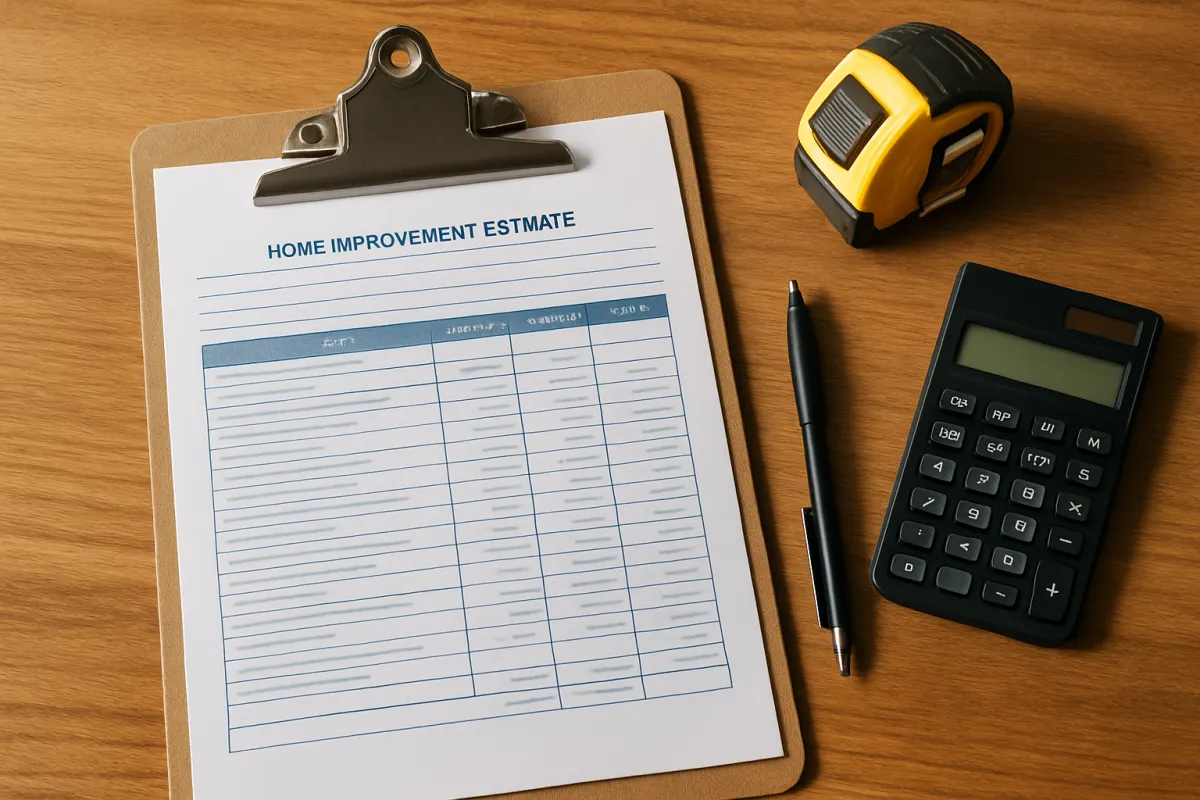
The lines that quietly disappear from a cheap quote are usually the pad specifics and the exact fiber and face weight, and those are precisely the ones that decide how the finished carpet feels and how long it lasts. A bid far below the others has to have thinned something real, most often by substituting a thinner pad or a lighter face weight while still naming the same fiber name on paper. Before you choose on price, confirm each quote covers the same fiber, pile, pad, and installation method, not just the same square footage, and hold every quote against your own flooring cost estimator sketch so a number far above or below your illustrative range is a prompt to ask why.
A worked example: carpet in a bedroom suite
Walk one illustrative project through the numbers to see how the factors connect. A homeowner has a roughly 300 square foot primary bedroom with a sitting area, a sound, flat subfloor, no moisture concerns, and a plan to keep the carpet for several years before the next refresh. They are choosing between a budget olefin and a mid-grade nylon, both with a standard pad, and deciding whether to hire the install.
The olefin path prices out first. At an illustrative $1.50 per square foot for material, a standard pad at $0.75 per square foot, and professional install at $1.50 per square foot, with roughly ten percent overage for the room’s shape, the 300 square foot room lands near an illustrative $1,200 all in. It would produce a comfortable, stain-resistant floor at a genuinely low price, but olefin’s tendency to mat under furniture legs sits awkwardly against a sitting area with a chair that rarely moves. The nylon path prices next: at an illustrative $2.75 per square foot for material, the same standard pad, and the same install labor and overage, the room lands near an illustrative $1,600 all in, and the companion on this page lets the homeowner adjust that for their own fiber and labor rate.
The homeowner weighs the roughly $400 difference against the stakes. Because the sitting area sees a chair that stays in one place and they want the carpet to look fresh for as long as possible before replacing it, they choose the nylon, judging the extra cost as buying several additional years of service from a fiber that resists matting under sustained weight. Had the room been a simple, lightly used guest bedroom, the olefin would have been the sensible spend. The lesson is the shape, not the exact dollars: let the room’s traffic and furniture, not the showroom sample, decide between a budget and a durability-focused fiber, and price both before choosing.
Comparing carpet installer quotes

Getting more than one quote matters more for carpet than it looks, because two installers can quote wildly different totals for what sounds like the same room simply by naming different fiber weights and pad tiers under a similar-sounding product name. Ask each installer to write down the fiber, the face weight or density, the pad thickness and density, and whether the pad and removal of the old floor are included, not just a bottom-line number. Our note on how to compare contractor quotes covers the normalizing process in more depth, and our note on how to read a contractor estimate explains what a complete line-item estimate should look like regardless of trade.
A quote that is noticeably lower than the others on paper is not automatically a bad deal, but it deserves a direct question before you sign: what fiber, what face weight, and what pad, specifically. If an installer cannot answer with numbers, treat the quote as incomplete rather than as the winner, and compare it against your own illustrative sketch in the flooring cost estimator.
Common mistakes that inflate carpet installation cost
Most carpet regrets and overspends trace back to a short list of avoidable errors, and every one is a factor the buyer assumed instead of checking.
- Buying on price alone without checking the fiber and face weight. A cheap quote often thinned the fiber, the density, or the pad. Compare the specific fiber, face weight, and pad, not just the price and the color.
- Treating padding as an afterthought. A thin or low-density pad under a good carpet shortens its life and can void a warranty. Ask every quote to state the pad brand, thickness, and density.
- Putting carpet where water lives. Carpet in a bathroom, laundry room, or a basement without proper moisture protection invites mold and odor. Use a water-resistant hard surface in those rooms instead.
- Ignoring subfloor prep. A carpet stretched over an uneven or squeaky subfloor telegraphs every soft spot, and fixing it later means pulling the carpet back up. The prep is part of the job, not an optional extra.
- Forgetting stairs and seam placement. Stairs are priced per step and can add a large sum, and where seams fall affects both cost and how invisible the join looks. A quote that omits them is understating the total.
- Underestimating overage. Carpet’s fixed roll width means more waste than a tile or plank floor. Order ten to fifteen percent extra to cover roll width, pattern matching, and seam placement.
Every one of these is prevented by the same discipline: match the fiber and pad to the room, prep the subfloor, budget stairs and overage, and compare full quotes rather than headline prices.
How to save on carpet installation cost
Saving on carpet is possible without gutting the quality, as long as you cut the right things and not the pad or the subfloor prep. The largest legitimate lever is the fiber: choosing polyester or olefin over nylon or wool in a lower-traffic room trims the material line substantially while still delivering a comfortable, durable-enough floor for that space. A mid-grade pad rather than the thickest premium option is another honest saving, as long as it is matched to the fiber rather than dropped below what the carpet needs.
Other honest savings come from scope and timing rather than corner-cutting. Buying the whole area in one dye lot often earns a better price than buying room by room, and it avoids color mismatches. Carpeting only the rooms where it genuinely suits the household, bedrooms and low-traffic living spaces, and using a water-resistant hard surface elsewhere, watching for end-of-roll or overstock carpet in a color that still suits the room, and bundling the job with other flooring work while a crew is already mobilized all trim the total honestly.
The saving to never chase is skipping the padding upgrade a heavy-traffic room needs, the subfloor prep, or the moisture protection in a basement, because those are the disciplines that keep the carpet comfortable and sound for its full expected life. A carpet that mats, wrinkles, or smells because a line was cut is not a saving; it is an early replacement. Sketch your own rooms in the flooring cost estimator to find the fiber and pad that fit your budget, and let the quotes compete on an itemized scope so the cut comes from the right place.
The bottom line
Carpet installation cost looks confusing only until you see what the price is really buying. Illustrative professional installs run about $2 to $8 per square foot for polyester, olefin, and most nylon with a standard pad, and about $8 to $14 or more for wool and premium builds, with carpet material at an illustrative $1 to $5, padding adding $0.50 to $1.50, and install labor adding $1 to $2. The single biggest lever behind any quote is the fiber and the pile, followed closely by the padding, which is why the cheapest bid so often turns out to be a lighter face weight or a thinner pad.
Choose by matching the carpet to the room and the household. A bedroom or media room rewards comfort-focused carpet you expect to replace within five to fifteen years; a wet room or an allergy-sensitive household wants a hard, water-resistant surface instead; a busy living room or stairs reward paying up for a durable fiber and a real pad. Compare quotes on the specific fiber, face weight, pad, and installation method rather than on the total, budget for stairs, removal, prep, and overage, and remember that carpet’s lower upfront cost trades against the shortest lifespan of any common floor. Treat every dollar figure here as an illustrative starting point, sketch your own rooms in the flooring cost estimator so the decision sits next to real numbers, and get written quotes for the rooms you actually have.
ProsNook publishes this cost file to help homeowners understand what carpet installation should cost and why quotes vary, not to serve as professional installation, product, or design advice. Every dollar figure, cost per square foot, fiber price, padding estimate, and lifespan above is illustrative and will differ with your chosen fiber and pile, padding tier, installation method, your local market, the condition of your subfloor, and your installer, so treat them as a planning framework rather than a quote. Confirm the fiber, face weight, pad specifications, and warranty terms of any product with the manufacturer or retailer before you buy, verify your subfloor is flat, sound, and dry where moisture is a concern, and get written quotes from local installers for your own rooms, since the right floor depends on details of your home that no general article can see.
Frequently asked questions
How much does carpet installation cost per square foot?
As a rough, illustrative guide, professionally installed carpet commonly runs about $2 to $8 per square foot for polyester, olefin, and most nylon builds, including a standard pad, and climbs to an illustrative $8 to $14 or more per square foot for wool and premium nylon or triexta builds. Within that everyday range, the carpet material itself typically lands at an illustrative $1 to $5 per square foot, padding adds roughly $0.50 to $1.50 per square foot, and install labor adds another illustrative $1 to $2 per square foot on top. Every figure here is illustrative and moves with the fiber, the pile, your region, and your installer, so get written quotes for your own rooms before you budget.
Does the per-square-foot price include carpet padding?
Sometimes, and it is one of the first things to confirm on any quote, because the headline number means two different things depending on the answer. Many retailers and installers bundle a standard pad into the advertised installed price, while others quote the carpet and the pad as separate lines, commonly an illustrative $0.50 to $1.50 per square foot for the pad alone depending on its thickness and density. A thicker or denser upgraded pad costs more but extends how the carpet feels and wears, so it is rarely the place to cut corners. Before comparing two bids on price alone, ask each installer to state the pad thickness and density and whether it is already folded into the number you are looking at.
What is the cheapest type of carpet?
Polyester and olefin, also called polypropylene, are usually the most affordable carpet fibers, commonly anchoring the low end of the material range at an illustrative $1 to $2 per square foot before padding and labor. Polyester offers soft hand feel and good color options for the price but can crush and flatten faster in heavy traffic. Olefin resists moisture and staining well, which is why it shows up often in berber loops and in basements, but it can mat down under furniture. Nylon costs more, usually an illustrative $2 to $5 per square foot for the material, but it resists matting and crushing far better and is the fiber most installers recommend for a busy living room or stairs. For a genuinely tight budget, polyester or olefin in a lower-traffic room is the honest value pick.
Is carpet cheaper to install than LVP, laminate, or hardwood?
Usually yes, at the budget and mid tiers. Illustratively, polyester or olefin carpet with padding commonly installs for about $2 to $5 per square foot, which undercuts laminate's illustrative $3 to $10, LVP's illustrative $4 to $12, engineered hardwood's illustrative $6 to $15, and solid hardwood's illustrative $8 to $20 or more. That price gap narrows or reverses once you move to wool or a premium nylon build, which can run an illustrative $8 to $14 or more per square foot, close to or above entry-level hardwood. What carpet does not buy, at any fiber, is the water resistance of LVP or the decades-long refinishable life of hardwood, so the cheaper upfront cost trades against a shorter typical lifespan. Our LVP flooring cost and hardwood floor cost files, linked elsewhere on this page, lay out those comparisons in full.
How much does it cost to carpet 1,000 sq ft of a house?
As a rough, illustrative starting point, 1,000 sq ft of carpet commonly runs about $2,000 to $8,000 installed for polyester, olefin, or mid-grade nylon with a standard pad, and about $8,000 to $14,000 or more for wool or a premium build. A simple, open 1,000 square foot floor plan in a budget fiber tends to land toward the lower end of its band, while a cut-up layout with a lot of stairs and transitions, or an upgraded pad and premium fiber, pushes toward the top or beyond. The same math scales further: 1,500 sq ft of carpet lands near an illustrative $3,000 to $12,000 for budget to mid fiber, and 2,000 sq ft near an illustrative $4,000 to $16,000. Treat these as planning ranges and sketch your own square footage in the flooring cost estimator on this page before you budget.
How long does carpet last before it needs replacing?
Carpet is the shortest-lived of the common residential floors, commonly lasting an illustrative five to fifteen years depending on the fiber, the pile, the padding underneath, and how much traffic it sees. A budget polyester or olefin in a busy living room or on stairs can show matting and wear in as little as five years, while a durable nylon or wool build in a lower-traffic bedroom, kept clean and on a good pad, can stretch past ten or fifteen. That is shorter than LVP and laminate, which typically run an illustrative fifteen to twenty-five years, and far shorter than hardwood, which can last decades because it can be refinished. Carpet cannot be refinished, only cleaned, patched, or replaced, which is the central tradeoff behind its lower upfront cost.
Can I install carpet myself to save money?
On the right room, yes, and the saving is real, since install labor commonly adds an illustrative $1 to $2 per square foot that a careful do-it-yourself job can remove. Carpet tile and some peel-and-stick or loose-lay carpet products are genuinely approachable for a patient homeowner, clicking or laying into place over a flat, clean subfloor without specialty tools. Traditional stretch-in broadloom carpet is a harder project: it is stretched drum-tight over tack strips with a power stretcher and knee kicker, trimmed and tucked at every edge, and seamed invisibly where two pieces meet, which is genuinely skilled work that is easy to get visibly wrong. Weigh the product and the room before committing, and price both paths in the companion on this page.
What drives carpet installation cost up the most?
The fiber and the pile carry the most weight, because they set the material price directly and span a wide range from budget olefin to premium wool. The padding tier is next, since a thicker or denser pad adds a real line that many quotes understate. Install method and room complexity, stairs in particular, and old floor removal and subfloor prep round out the picture. A quote that is far below the others almost always thinned one of the two heaviest lines, the fiber or the padding, since those are the easiest to quietly downgrade while still naming a price per square foot.