What's on this page
- What hardwood floor costs per square foot
- Hardwood floor cost by wood type
- What drives hardwood floor cost up or down
- Wood species and grade: the material lever
- Plank width and pattern
- Solid vs engineered hardwood cost and durability
- Site-finished vs prefinished hardwood cost
- Subfloor prep and old floor removal
- Stairs and other cost add-ons
- Hardwood vs LVP and laminate cost
- Where an installed hardwood dollar goes
- Refinishing cost versus replacement
- Total hardwood project cost by room size
- Hardwood floor cost for a whole house
- Cost by room: living areas, bedrooms, kitchens
- Where hardwood struggles: baths, basements, moisture
- DIY hardwood install cost versus hiring a pro
- How long hardwood floors last
- Is hardwood flooring worth it
- What a hardwood flooring quote should include
- A worked example: hardwood in a living room
- Common mistakes that inflate hardwood floor cost
- How to save on hardwood floor cost
- The bottom line
Short answer: Hardwood floors commonly run an illustrative $8 to $20 or more per square foot installed for solid wood and about $6 to $15 for engineered, with material at $4 to $14 and install labor adding $3 to $8. Species and grade are the strongest lever, with red oak at the affordable end and exotics at the top. Refinishing an existing solid floor runs an illustrative $3 to $8 per square foot.
Hardwood floor cost is one of the most searched numbers in home improvement, and for good reason: real wood remains the floor many homeowners want, yet the same room can be quoted at a single-digit price per square foot for a simple engineered oak or several times that for a wide, site-finished exotic installed by a crew, and both quotes can be honest. Hardwood flooring prices swing that widely because the gap is not padding. It reflects genuinely different species, different grades, solid versus engineered construction, site-finished versus prefinished boards, and the simple question of whether you or an installer supplies the labor and the sanding.
This cost file lays out what a hardwood floor actually costs, so you can read a quote and know which kind of floor you are buying. It covers illustrative price per square foot for material and install, what drives the number up or down (wood species and grade, plank width, finish site versus prefinished, subfloor prep, old floor removal, and stairs), how solid and engineered compare on cost and durability, how hardwood stacks up against LVP and laminate on price, the important refinishing versus replacement math, total project cost by room size and for a whole house, and the honest do-it-yourself feasibility. Every dollar figure is illustrative and varies with your wood, region, and installer, so treat the numbers as a planning framework and sketch your own floor in the flooring cost estimator before you budget. For the cheaper wood-look alternatives, our LVP flooring cost file and vinyl versus laminate flooring comparison sit alongside this one.
Key takeaways
- Illustrative hardwood floors commonly run about $8 to $20 or more per square foot installed for solid wood and about $6 to $15 for engineered, with the wood material at an illustrative $4 to $14 and install labor adding an illustrative $3 to $8 on top.
- Wood species and grade are the strongest lever on the material price: red oak anchors the affordable end, white oak, maple, and hickory step up, and exotics like Brazilian cherry sit at the top.
- Solid wood can be sanded and refinished many times over decades, while engineered wood uses a thin real-wood layer that limits refinishing to once or twice, if at all. That difference, not the sticker price, is the real decision.
- Refinishing an existing solid floor commonly runs an illustrative $3 to $8 per square foot, far below the cost of tearing out and replacing it, which is the quiet economy of real wood.
- Every figure here is illustrative and moves with your species, grade, finish, subfloor, local market, and installer, so get written quotes for your own floor rather than budgeting from a national average.
What hardwood floor costs per square foot
The most useful way to think about hardwood pricing is per square foot installed, because it lets you compare a single bedroom to a whole main floor on equal footing. As a rough, illustrative guide, a professionally installed solid hardwood floor commonly runs about $8 to $20 or more per square foot, and engineered hardwood a little less at about $6 to $15. That band spans almost the entire residential market: a prefinished engineered oak in a simple rectangular room near the bottom, and a wide, site-finished exotic in a cut-up space toward the top. Reclaimed and specialty woods can climb further still.
Underneath that installed figure sit a few moving parts. The wood material itself typically lands at an illustrative $4 to $14 per square foot depending on species and grade, and professional install labor adds an illustrative $3 to $8 per square foot on top. When the wood arrives unfinished, site sanding and finishing add another line, often an illustrative $2 to $5 per square foot. Underlayment or moisture barrier, trim, transitions, and removing the old floor round out the total with smaller lines. A do-it-yourself install can remove much of the labor on the right floor, though hardwood asks more skill than a floating vinyl or laminate floor.
Hold two ideas as you read the rest of this cost file. First, the species and grade of the wood move the material price more than almost anything else, so the wood you choose sets the floor of your budget. Second, per-square-foot math flatters big open floors and punishes small, cut-up rooms, because the fixed costs of showing up, prepping, racking the boards, and trimming spread thin over a large area and thick over a tiny one. Sketch your own space in the flooring cost estimator so every figure below sits next to a number for your floor.
Hardwood floor cost by wood type
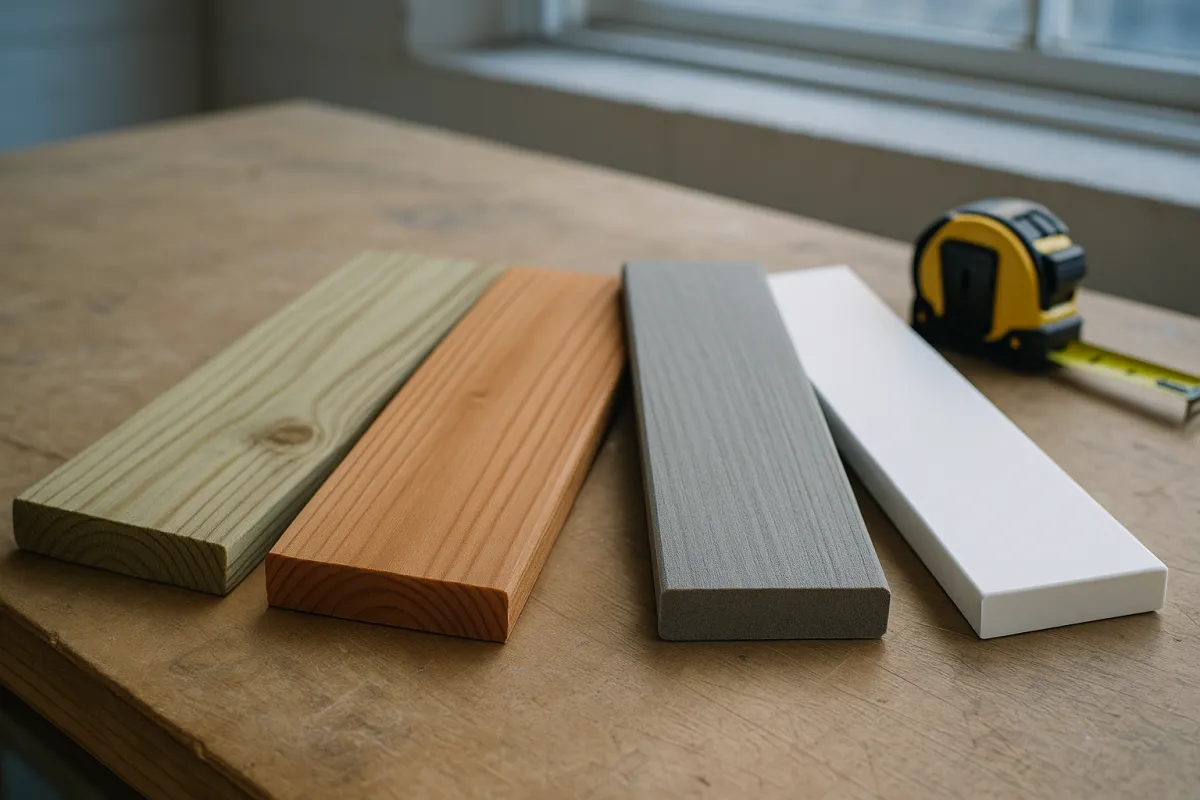
The clearest driver of the material price is the wood itself, and the table below lays out illustrative costs per square foot by common species and construction, from least to most expensive, along with a note on the character each brings. Treat it as a shape rather than a quote, because your real number depends on the grade, the plank width, the finish, and your market. The installed figures assume professional installation and, for solid site-finished floors, include the sanding and finishing work.
| Wood type (illustrative) | Material per sq ft | Installed per sq ft | Character |
|---|---|---|---|
| Engineered oak | About $3 to $10 | About $6 to $15 | Real-wood layer over a stable core, faster to install |
| Red oak (solid) | About $4 to $8 | About $8 to $14 | The affordable domestic standard, warm reddish grain |
| Maple or ash (solid) | About $5 to $9 | About $9 to $15 | Lighter, subtler grain, hard and clean-looking |
| White oak (solid) | About $5 to $10 | About $9 to $16 | Harder and more water tolerant than red oak, on-trend |
| Hickory (solid) | About $5 to $10 | About $9 to $16 | Very hard, dramatic grain and color variation |
| Exotic (Brazilian cherry, walnut) | About $8 to $14 | About $12 to $20 or more | Rich color, premium price, often imported |
Two patterns run through the table. The first is that construction and species together set the material floor: an engineered oak and a solid exotic can differ by several dollars a square foot before a single hour of labor is added. The second is that domestic oak, red or white, covers most homes handsomely, so paying up to hickory or an exotic makes sense mainly when you want a specific hardness, grain, or color rather than because a busy room requires it. The companion on this page turns any of these picks into an installed total for your own square footage, so you can price the floor you actually want.
What drives hardwood floor cost up or down
No single factor sets the price, so it helps to see how much each one tends to pull on the total. The wood species and grade carry the most weight, because they move the material line directly and span a wide range. Whether the floor is solid or engineered and how good the board is come next. The install labor and finish method, the size and layout of the room including any stairs, and the smaller lines for subfloor prep and old floor removal round out the picture.
What drives hardwood floor cost
Illustrative weighting of how much each factor tends to pull on the total.
The weights are illustrative. The pattern is fixed: the wood species and construction carry the most weight, and labor, room, and the smaller lines settle the rest.
Hold this shape in mind when you read a quote. If one bid is far below the others, the gap almost always lives in the two heaviest factors, the species and the construction, because those are the easiest lines to quietly thin by substituting a cheaper wood or a thinner engineered board. A quote that names the specific species, the grade, the plank width, whether the wood is solid or engineered, and the finish is describing a real floor; one that just names a price and a color is hiding where the money went. Our note on comparing contractor quotes shows how to normalize bids so the true low price reveals itself.
Wood species and grade: the material lever
If you remember one driver of hardwood material cost, make it the species, because it sets both the price and how the floor wears. Domestic red oak is the affordable standard that most flooring supply is built around, which is why it anchors the low end. White oak, harder and a touch more water tolerant, costs a little more and has been in strong demand for its lighter, contemporary look. Maple and ash bring a subtler, cleaner grain at a similar step up. Hickory is harder still with dramatic grain and color swings, and the imported exotics like Brazilian cherry and walnut sit at the top, sometimes doubling the material cost of oak.
Hardness travels alongside price and matters as much as looks. A harder species resists the dents and dings that a busy hallway, a kitchen, or a dog’s nails inflict, so a tough wood like hickory or white oak keeps a crisp surface longer, while a softer wood shows wear and dents sooner. This is why the cheapest species is not automatically the best value in a hard-working room: a floor that dents quickly can look tired long before a harder one would. Match the species to how the room lives rather than to the showroom sample alone.
Grade within a species is the second half of the material lever. Clearer, more uniform grades with fewer knots, streaks, and color variation cost more than rustic or character grades that show the wood’s natural marks. Neither is better; a clear grade suits a formal, minimal look while a rustic grade hides scuffs and brings warmth. Choosing a character grade is a legitimate way to buy a real-wood floor for less without touching the species or the install. Set your species in the companion on this page and watch the material line respond as you step from oak up to an exotic.
Plank width and pattern
Beyond species and grade, the width of the boards and the pattern they are laid in quietly move the cost more than many homeowners expect. Standard strip flooring, roughly two and a quarter inches wide, is the least expensive and the fastest to install, because narrow boards use common milling and go down quickly. Wider plank flooring, five inches and up, has become the popular modern look, but it costs more per square foot in material and often in labor, since wide boards demand a flatter subfloor, more careful acclimation, and sometimes glue assist to keep them from cupping or gapping as the wood moves with the seasons.
Pattern is the other lever. A straightforward straight lay is the baseline. Diagonal layouts, borders, feature strips, and especially herringbone or chevron patterns take far more cutting, precise fitting, and waste, so they raise both the labor and the material overage well above a simple straight run of the same area. A herringbone floor is a beautiful, labor-intensive choice that can add a large premium, and it is worth pricing separately rather than assuming it costs the same per square foot as a plain layout.
The practical takeaway is to treat width and pattern as real budget decisions, not free style choices. If the budget is tight, a standard or mid-width plank in a straight lay delivers a genuine hardwood floor without the surcharges that wide boards and fancy patterns add. If a wide plank or a herringbone is the look you want, price it deliberately and plan for the extra waste, because these choices land squarely in the labor and material bands that drive the total. The companion prices the material side for your own square footage so you can see the effect of a grander wood before the pattern premium is added.
Solid vs engineered hardwood cost and durability
The choice between solid and engineered hardwood is the biggest fork in the road, and it shapes both what the floor costs and how long it can be renewed. Solid hardwood is exactly that: each board is a single piece of the species all the way through, typically three quarters of an inch thick, nailed down over a wood subfloor. That thickness is the point, because it means the floor can be sanded back to fresh wood and refinished many times across its life, which is how a solid floor lasts for decades and often the life of the house.
Engineered hardwood is built differently: a thin layer of the real hardwood species is bonded over a plywood or high-density fiberboard core. The board looks like solid wood on the surface because the top layer is real wood, but it uses far less of the expensive species, which is why it usually costs an illustrative few dollars less per square foot and often installs faster as a floating or glue-down floor. The core also makes engineered wood more dimensionally stable, so it copes better with the humidity swings and concrete slabs that can make solid wood cup or gap, which is why it is common in basements and over slabs where solid wood is risky.
Solid vs engineered hardwood, illustrative
How a professionally installed floor tends to compare on cost, from low to high per square foot.
The figures are illustrative. Engineered usually costs a little less to buy and install; solid usually refinishes far more times, which is the real decision.
The durability story is where the two truly diverge, and it matters more than the price gap. A solid board can be sanded and refinished many times, so scratches, dents, and dated colors are renewable rather than permanent. An engineered board can be refinished only as many times as its thin wear layer allows, often once or twice for a thick veneer and not at all for a thin one, after which it is replaced rather than restored. On price alone engineered wins; on how many decades the floor can be renewed, solid pulls ahead. The right pick depends on the room, the subfloor, and how long you plan to keep the floor. Price both in the companion to see the gap for your own square footage.
Site-finished vs prefinished hardwood cost
Whether the wood is finished on site or arrives prefinished from the factory is a cost and quality decision in its own right. Prefinished boards come sanded, stained, and sealed with a tough factory coating, so they are installed and walked on the same day, with no dust, fumes, or drying time. Because the finishing is already done, the on-site labor is lower even though the board itself often costs a touch more, and the factory finish is usually harder and more consistent than one applied in the field.
Site-finished floors arrive as raw, unfinished wood that is installed, then sanded flat and stained and sealed in place. The board material can be cheaper, but the on-site work adds a real labor line, often an illustrative $2 to $5 per square foot, for the skilled, dusty job of drum sanding and applying several coats of finish with drying time between them. What that buys is a perfectly flat, seamless surface with the exact stain color you want and the boards fused into one plane, which many people prefer for a high-end look and for matching an existing floor.
In cost terms, prefinished is often a little cheaper all in once you count the labor of site finishing, and it is faster and far less disruptive to live around. Site finishing tends to cost more and take longer, but it wins when you want a custom color, a specific sheen, a dead-flat surface, or a match to existing wood. For most homeowners installing a new floor, prefinished is the practical default; site finishing earns its premium on a whole-house refinish, a custom look, or a repair that must blend into an old floor. The companion folds a site-finishing line into the total when you choose that path, so the two are easy to compare.
Subfloor prep and old floor removal
The cost that surprises people most is not the wood, it is what happens before the wood goes down. Hardwood, and especially wide plank and site-finished floors, demands a subfloor that is flat, sound, dry, and clean, and getting it there can add a real line to the quote. A squeaky or uneven subfloor may need to be screwed down, leveled, or patched; a floor going over concrete needs a moisture test and often a barrier or a plywood layer; and any of this is time the crew bills for. A quote that assumes the subfloor is perfect and finds otherwise mid-job turns into a change order, which is why it pays to ask up front.
Removing the old floor is the other pre-work line. Tearing out carpet and pad is quick and cheap, but pulling up old tile, glued-down vinyl, or an existing nailed hardwood is labor-intensive, and hauling away the debris adds a disposal cost. If the old floor hides damage, water stains, or an uneven surface underneath, the prep grows once it is exposed. This is why removal and prep, though smaller than the wood and labor bands, deserve their own line in any honest quote rather than being waved away.
The practical move is to treat prep and removal as part of the real cost of the floor, not an optional extra to cut. A beautiful hardwood floor laid over an unprepared subfloor telegraphs every bump, squeaks, or gaps at the seams as the wood moves, and fixing that after the fact means pulling up the new floor. Ask any installer what happens if the subfloor needs work once the old floor is up, and whether that is included or a change order, before you sign. The companion folds an overage allowance into the total, but subfloor surprises are best handled by asking, not by budgeting a guess.
Stairs and other cost add-ons
Stairs are the classic hidden line in a hardwood budget, because they are priced separately and are far more labor-intensive than flat floor. Matching hardwood treads and risers must be cut, fitted, and finished individually, often with a bullnose front edge, so a staircase is commonly quoted per step rather than by the square foot and can add a surprising amount to an otherwise simple job. If your project includes a staircase, ask for it as its own line, because folding it into a square-foot number hides how much it really costs.
Transitions and trim are the smaller add-ons that still add up. Every doorway, every meeting with another floor type, and every edge needs a transition strip or threshold, and the floor’s perimeter needs shoe molding or quarter round to cover the expansion gap that a wood floor requires. Reducers, T-moldings, and stair nosing in a matching wood or finish cost more than generic pieces. None of these is large alone, but across a whole house they form a real line, and a quote that omits them is understating the total.
A few other add-ons deserve a mention so they do not surprise you. Moving furniture and appliances, removing and reinstalling baseboards, and undercutting door casings so the flooring tucks neatly beneath are all small labor items a thorough crew includes and a bargain quote may assume you will handle. Acclimating the wood in the home for several days before install, which good practice requires so the boards settle to the room’s humidity, is time on the schedule even if it is not a hard cost. Ask which of these the quote covers so the low bid is not low simply because it left them out.
Hardwood vs LVP and laminate cost
It helps to see where hardwood sits among the floors it competes with, because the choice is rarely hardwood in a vacuum. The table below lays out illustrative installed costs, whether the floor can be refinished, and typical lifespan for the four most common options. Every figure is illustrative and varies by product, grade, and market, so treat it as a shape rather than a quote.
| Floor type (installed, illustrative) | Typical installed cost | Refinishable? | Typical lifespan |
|---|---|---|---|
| Solid hardwood | About $8 to $20 or more | Yes, many times | 30 or more years |
| Engineered hardwood | About $6 to $15 | Once or twice, if at all | About 20 to 30 years |
| LVP (luxury vinyl plank) | About $4 to $12 | No, replaced when worn | About 15 to 25 years |
| Laminate | About $3 to $10 | No, replaced when worn | About 15 to 25 years |
The pattern is clear. Laminate and LVP cost meaningfully less to buy and install, which is why they have taken so much of the wood-look market, and LVP adds water resistance that real wood cannot match. What hardwood buys over both is authentic real wood: the look and feel, the resale appeal many buyers still prefer, and above all the ability to sand and refinish for decades rather than replacing the floor when it wears. That renewable life is the heart of hardwood’s value case.
Which one wins depends on the room and the horizon. For a wet-prone room, a rental, or a tight budget, LVP or laminate is often the smarter spend, and our LVP flooring cost file and vinyl versus laminate flooring comparison walk those choices in depth. For a garage, workshop, or basement floor where a seamless coating suits better than planks, our epoxy flooring cost file covers that path. For a dry living space you plan to keep for many years, hardwood’s premium can pay back over its much longer, renewable life. Price hardwood against your own room in the flooring cost estimator before you commit.
Where an installed hardwood dollar goes
It helps to see how an installed hardwood budget divides, because it explains why a suspiciously low quote usually cut a real corner and why site finishing and removal move the total. On a typical professionally installed solid floor, the wood material is the largest single band, the install labor is next, and the smaller lines cover finishing (heavier when the floor is site-finished), removal, and subfloor prep. The exact split shifts with the species, the construction, and whether the wood is prefinished, but the shape is consistent.
Where an installed hardwood dollar goes
Illustrative breakdown of a professionally installed floor, summing to 100.
The shares are illustrative. The principle is fixed: wood and labor are the two big bands, and a prefinished floor shrinks the finishing slice while removal and prep still have to be paid for.
The finishing and labor bands are the ones your choices move most. Choosing a prefinished board shrinks the finishing slice, because the sanding and sealing are done at the factory rather than on your floor. Supplying your own labor on a suitable floor removes part of the install band. The trap in the cheapest quote is the same as in any flooring bid: a number far below the others usually thinned one of these bands, most often the prep, the removal, or the species, and those are exactly the lines that decide whether the finished floor lies flat and lasts. When you compare hardwood quotes, confirm the prep, removal, and finishing are actually in the price.
Refinishing cost versus replacement
The single biggest reason real wood earns its price is that a worn floor can often be renewed rather than replaced, and understanding that math changes how you value the upfront cost. Refinishing an existing solid hardwood floor, sanding back the old finish and any surface scratches and applying a fresh stain and sealer, commonly runs an illustrative $3 to $8 per square foot. Replacing that same floor with new wood runs the full illustrative $8 to $20 or more per square foot, plus the cost and disruption of tearing out the old floor. A solid floor can take that refinish several times across its life, so the same boards can look new again decade after decade for a fraction of replacement.
Refinishing makes sense when the boards are solid, still thick enough to sand, and not damaged past the surface. Scratches, dull finish, light stains, and dated colors are exactly what a refinish fixes. It stops being an option when the wood is engineered with a paper-thin wear layer that a sander would cut through, when boards are cupped or crowned from moisture, when there is rot or water damage, or when previous sandings have already taken the boards down near the tongue. In those cases replacement is the honest answer, and trying to sand a floor that cannot take it makes the problem worse.
The practical takeaway shapes the whole buying decision. Part of what you pay for in solid hardwood is decades of cheap renewals, so a floor that costs more upfront than LVP or laminate can cost less over its life once you count that you refinish rather than replace it. When you weigh a real-wood floor against a look-alike, factor in that the wood floor’s future cost is a series of modest refinishes while the look-alike’s future cost is a full replacement when it wears. Confirm your floor’s construction and board thickness before assuming it can be refinished, since not every floor can, and price a refinish against a replacement in the companion by comparing your installed total to a fraction of it.
Total hardwood project cost by room size
Because hardwood prices per square foot, total project cost scales with the room, so it helps to see how the installed range plays out across common spaces. A 120 square foot bedroom might land at an illustrative $1,000 to $2,400 installed, a 200 square foot living room around an illustrative $1,600 to $4,000, a 300 square foot open living area near an illustrative $2,400 to $6,000, and a 500 square foot great room at an illustrative $4,000 to $10,000. These bands widen with the species, whether the floor is solid or engineered, and the complexity of the layout.
Two quirks bend those numbers. First, small and cut-up rooms cost more per square foot than the headline range suggests, because the fixed costs of showing up, prepping, racking the boards, and trimming spread thin over a large floor and thick over a tiny one, so a small room rarely hits the bottom of the range. Second, a room full of corners, closets, angles, and transitions takes more cutting and wastes more wood than a clean rectangle of the same area, which nudges both the labor and the material up. A herringbone or diagonal layout amplifies both.
Waste and overage deserve their own line in any project. Plan to order about five to ten percent more wood than the room’s measured square footage to cover cuts, defects culled from the boxes, and a small stash of spares for future repairs, and more like ten to fifteen percent for a diagonal or herringbone layout or a very cut-up room. That overage is real cost, but a mid-project shortage that stops the job while you wait for a matching lot and color is worse, since dye and grain can vary between production runs. Set your room size and species in the flooring cost estimator to see the total, including overage, for your own space.
Hardwood floor cost for a whole house
Flooring a whole house in hardwood is the same math at scale, so a rough, illustrative way to sketch it is to multiply your finished area by an all-in figure of about $8 to $20 or more per square foot for solid wood, or about $6 to $15 for engineered. On that basis, a 1,000 square foot main level might land near an illustrative $8,000 to $20,000 in solid wood, a 1,500 square foot area near an illustrative $12,000 to $30,000, and a 2,000 square foot span proportionally more. The wide spread within each is driven mostly by the species and construction and by how cut-up the floor plan is.
Whole-house jobs bring a few cost levers that single rooms do not. Doing the whole area in one species, grade, and lot at once avoids awkward transitions and color mismatches and often earns a better material price by the pallet, while phasing it room by room spreads the cost but risks visible seams and lot differences later. Stairs, if you are running matching hardwood on them, are labor-intensive and priced separately per step, so a staircase adds a real line to an otherwise simple whole-house number. Removing old carpet, tile, or glued flooring across a whole house adds a meaningful removal and disposal line, and acclimating a large order of wood in the home before install is time on the schedule.
For a homeowner weighing new floors as part of a larger project, it helps to see where flooring sits among the other lines. Our kitchen remodel cost file shows where the floor lands in that room, and our cost to finish a basement file covers why engineered wood or a moisture-tolerant alternative often makes more sense below grade than solid hardwood. Price your own footprint and species in the companion so the whole-house number sits next to real inputs rather than a rule of thumb, and gather written quotes before you commit a number this size.
Cost by room: living areas, bedrooms, kitchens
Hardwood is at its best in dry, everyday living spaces, but each room brings its own cost and suitability notes. Living rooms, family rooms, and dining rooms are the classic home for real wood, and because they tend to be open rectangles they often price toward the cleaner, lower end of the range per square foot. The main cost variables here are the species and the width you choose rather than the room itself, so this is where paying up for a wider plank or a nicer grade shows off best.
Bedrooms and hallways are the easy, budget-friendly rooms for hardwood: reliably dry, lower traffic in bedrooms, and usually simple shapes. A softer or more affordable species can suit a bedroom that sees little abuse, which is a legitimate way to spread a real-wood look through more of the house for less. Hallways see concentrated foot traffic, so a harder species or grade earns its cost in a busy corridor even if the same wood would be more than a quiet bedroom needs.
Kitchens are the room where hardwood divides opinion. Wood in a kitchen looks warm and flows nicely from adjoining living space, and many homeowners choose it, but kitchens combine spills, dropped pans, and the occasional appliance leak, which are exactly what wood tolerates least. If you want wood in a kitchen, a harder species, a durable finish, and prompt cleanup of spills all help, and some homeowners choose engineered wood there for its better moisture stability. Weigh the look against the risk honestly, and price the room in the flooring cost estimator so the decision sits next to a number.
Where hardwood struggles: baths, basements, moisture
Real wood has one clear weakness, and naming it plainly saves money and regret: it does not like water. In bathrooms, laundry rooms, mudrooms, and anywhere standing water and high humidity are routine, solid hardwood is a poor spend, because moisture makes wood swell, cup, crown, and eventually stain or rot. This is the room-by-room line where the cheaper look-alikes earn their keep, since LVP is water resistant and often waterproof and is usually the safer floor in a wet space, as our LVP flooring cost file explains.
Basements are the other classic problem. Below-grade spaces sit against soil and concrete that can push moisture vapor up through the slab, which solid hardwood cannot tolerate, so solid wood is generally not recommended below grade. Engineered hardwood, with its stable plywood core, copes far better and is the usual real-wood choice for a basement when paired with a proper moisture barrier and a slab that tests dry, though many owners still opt for LVP there for its full water resistance. The cost note is that the moisture protection is not optional: skipping it to save a line is how a basement wood floor fails.
The honest framing is to match the material to the room’s moisture rather than forcing hardwood everywhere for consistency. A home can run solid wood through its dry living areas and switch to engineered wood or a water-resistant plank in the baths, laundry, and basement, and a good transition strip makes the change look intentional. Trying to put solid hardwood where water lives is a false economy that costs more when it cups or rots than choosing the right floor would have. Let the room’s exposure, not the desire for a single material, decide.
DIY hardwood install cost versus hiring a pro
The do-it-yourself versus professional choice is a real fork in the hardwood budget, but it is a harder call than with a floating vinyl or laminate floor. Install labor commonly adds an illustrative $3 to $8 per square foot, and site finishing more, so the potential saving is significant. The catch is that hardwood asks more skill and more tools than a click-together floor. A prefinished engineered plank that clicks or glues down over a flat, sound subfloor in a simple room is within reach of a careful, patient homeowner willing to rent the right tools and work slowly.
The professional route costs more because you are buying skill, speed, and the right equipment. A nail-down solid floor calls for a pneumatic flooring nailer and compressor, precise racking so the boards run straight and the seams stagger well, clean undercuts around every doorway, and neat transitions, and any of it done poorly shows permanently. Site finishing is harder still: drum and edge sanding a floor flat without gouging it, and applying stain and several coats of finish evenly and dust-free, is genuinely skilled work that is easy to ruin and expensive to fix. Because the labor rate is similar across species, hiring a pro does not push you toward a cheaper or pricier wood.
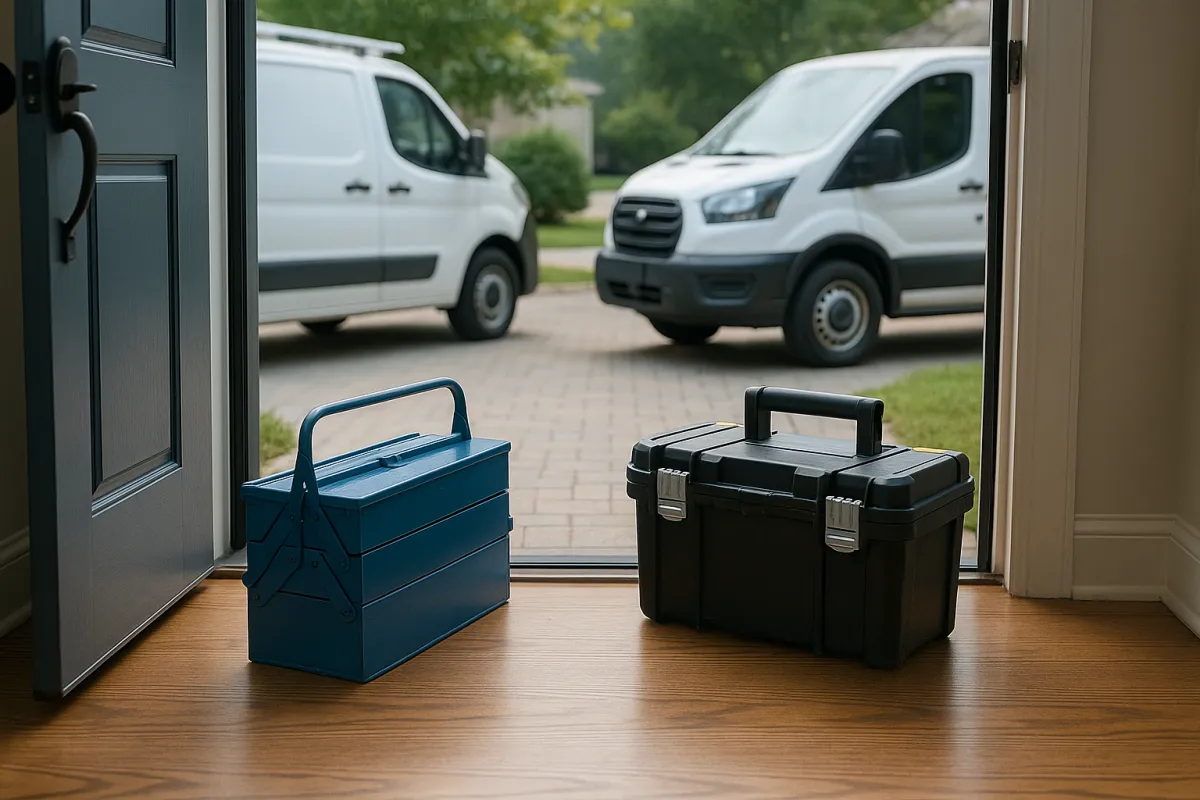
The honest verdict is that do-it-yourself hardwood is worth it on a suitable floor, a prefinished, click or glue engineered plank over a sound, flat subfloor in a simple room, and a false economy when the job is a nail-down solid floor, a site-finished floor, a complex layout, or a subfloor that needs real work. A wavy floor, gapped seams, or a botched sanding costs far more to fix than the labor saved. Our note on planning a do-it-yourself versus hire decision helps you weigh the saving against the risk for your own room, and the companion prices both paths.
How long hardwood floors last
Lifespan is where hardwood’s higher price quietly pays off, so it is worth setting honest expectations. A solid hardwood floor is among the longest-lived floors you can buy, commonly lasting an illustrative several decades and often the full life of the house when it is installed well and refinished as needed, because the same boards can be sanded back to fresh wood many times. Engineered hardwood lasts a shorter but still long illustrative twenty to thirty years, limited mainly by how thin its real-wood wear layer is and how many times, if at all, it can be refinished before the veneer runs out.
Both outlast the look-alikes. Luxury vinyl plank and laminate typically run an illustrative fifteen to twenty-five years before they are replaced rather than renewed, because neither can be sanded and refinished. That is the crux of hardwood’s long-run value: a look-alike is a floor you will eventually tear out and replace, while a solid wood floor is one you refinish and keep. Over a long enough horizon, the wood floor’s renewable life can make its higher upfront cost the cheaper choice per year of service.
The factors that shorten any wood floor’s life are predictable: moisture is the biggest enemy, followed by grit left unswept that acts like sandpaper, heavy furniture without felt pads that dents and scratches, direct sun that fades and ambers the finish over years, and a poor subfloor or install that leaves the floor squeaking or gapping. Sweeping, using pads and rugs in traffic paths, controlling indoor humidity, and refinishing before the wear reaches bare wood all stretch the life. Kept dry and maintained, a real-wood floor is often the last floor a room needs, and the companion lets you weigh that long life against the upfront cost for your own room.
Is hardwood flooring worth it
For the right rooms and the right owner, hardwood is worth it, and the value case is specific rather than universal. It delivers authentic real wood underfoot, a look and warmth that look-alikes approximate but do not equal, strong resale appeal that many buyers still seek, and above all a renewable surface that can be refinished for decades rather than replaced when it wears. In dry living spaces you plan to keep, that combination of authenticity, longevity, and refinishability is exactly what the higher price buys, which is why hardwood remains the aspirational floor.
The value case weakens in situations worth naming honestly. In wet rooms, basements, rentals, or on a tight budget, a water-resistant plank or laminate is usually the smarter spend, and forcing hardwood where water lives invites the cupping and rot that erase its value. If you expect to move soon, the long refinishable life you are paying for accrues to the next owner more than to you. And a thin engineered board with almost no refinishing left behaves more like a look-alike than like solid wood, so it should be priced against LVP and laminate rather than against a floor you can renew for decades.
The honest framing is that hardwood is worth it for a dry space you plan to keep, where the renewable life and the authentic look justify the premium, and a poorer choice where moisture, budget, or a short stay favor a resilient look-alike. The deciding questions are whether the room stays dry, whether you will own the home long enough to enjoy the long life, and whether the wood you can afford is solid or thick-veneered enough to refinish. Answer those well and the durability and refinishability usually justify the illustrative cost over the years you keep the floor. Price it against your own room in the flooring cost estimator before deciding.
What a hardwood flooring quote should include
A complete hardwood quote protects you from the low bid that cut a real corner, so it helps to know what belongs in one. A thorough quote should name the specific species and grade, the plank width, whether the wood is solid or engineered and if engineered the wear-layer thickness, whether it is prefinished or site-finished (and the stain and sheen if site-finished), the installation method (nail, glue, or float), the subfloor prep expected, the old floor removal and disposal, the trim and transitions, and any stairs as their own line. When those lines are itemized, you can compare bids on equal footing instead of guessing what each one assumed.
The lines that quietly disappear from a cheap quote are usually the prep, the removal, the finishing, and the exact species and grade, and those are precisely the ones that decide whether the finished floor lies flat and lasts. A bid far below the others has to have thinned something real, most often by substituting a cheaper species, a thinner engineered veneer, or a lower grade, or by assuming the subfloor is ready when it is not. Before you choose on price, confirm each quote covers the same species, grade, width, construction, and finish, plus the same prep and removal, not just the same square footage.
Ask two more questions of any hardwood quote: what happens if the subfloor needs work once the old floor is up, and what the labor warranty covers, including how gapping, cupping, or squeaks from an install error are handled. Subfloor and moisture surprises are common with wood, and knowing in advance whether they are a change order or included prevents a mid-job dispute. Hold every quote against your own flooring cost estimator sketch, so a number far above or below your illustrative range is a prompt to ask why, and lean on our note on comparing contractor quotes to normalize the bids.
A worked example: hardwood in a living room
Walk one illustrative project through the numbers to see how the factors connect. A homeowner has a roughly 300 square foot living room with a sound, flat plywood subfloor, no moisture concerns, and a plan to stay in the home for many years. They want a real-wood floor that looks warm, holds up to family traffic, and can be refinished down the road, so they are choosing between a prefinished engineered oak and a site-finished solid white oak, and deciding whether to hire the install.
The engineered path prices out first. A prefinished engineered oak at an illustrative $7 per square foot for material, installed by a pro at an illustrative $4 per square foot, with a small overage, lands the 300 square foot room near an illustrative $3,500 all in. It would produce a genuine real-wood floor that installs quickly and cleanly, but its thin veneer could take at most one light refinishing, which sits awkwardly against the family’s long ownership horizon. The solid path prices next: a site-finished solid white oak at an illustrative $8 per square foot for material, plus an illustrative $4 per square foot install and an illustrative $3 per square foot for site sanding and finishing, lands the same room near an illustrative $4,500 all in, and the companion on this page lets them adjust that for their own species and labor rate.
The homeowner weighs the roughly $1,000 difference against the stakes. Because they plan to stay for decades and value being able to refinish the floor several times rather than replace it, and because the room is dry and flat and suits a nail-down solid floor, they choose the solid white oak, judging the extra cost as buying a lifetime floor rather than a one-refinish one. Had the room been a basement, a short-stay home, or a tight budget, the engineered floor or even a look-alike would have been the smarter spend. The lesson is the shape, not the exact dollars: let the room’s moisture, your ownership horizon, and the refinishing you want decide between solid and engineered, and price both before choosing.
Common mistakes that inflate hardwood floor cost
Most hardwood regrets and overspends trace back to a short list of avoidable errors, and every one is a factor the buyer assumed instead of checking.
- Buying on the species or price alone. A cheap quote often thinned the grade, the plank width, the finish, or the prep. Compare the specific species, grade, width, construction, and finish, not just the price and the color.
- Putting solid wood where water lives. Solid hardwood in a bathroom, laundry, or basement invites cupping and rot. Match the material to the room’s moisture and use engineered wood or a water-resistant plank where water is routine.
- Ignoring subfloor prep. A wood floor laid over an uneven, squeaky, or damp subfloor gaps, cups, and squeaks, and fixing it means pulling up the new floor. The prep is part of the job, not an optional extra.
- Forgetting stairs, trim, and transitions. Stairs are priced per step and can add a large sum, and trim and transitions are a real line across a whole house. A quote that omits them is understating the total.
- Underestimating site finishing. Choosing a site-finished floor without budgeting the sanding and finishing labor, or expecting to do that skilled work yourself, is a common way a project runs over. Prefinished avoids that line.
- Ordering exactly the room’s square footage. Without overage for cuts, culled boards, and future-repair spares, a mid-project shortage stops the job while you wait for a matching lot and color. Order five to ten percent extra, more for a diagonal or herringbone layout.
Every one of these is prevented by the same discipline: match the wood to the room, prep the subfloor, budget finishing, stairs, and overage, and compare full quotes rather than headline prices.
How to save on hardwood floor cost
Saving on hardwood is possible without gutting the quality, as long as you cut the right things and not the subfloor prep or the moisture protection. The largest legitimate levers are the species, the grade, the width, and the construction. Choosing domestic red or white oak over an exotic, a rustic character grade over a clear one, a standard or mid-width plank over a wide one, and engineered over solid where refinishing matters less all trim the material line substantially while still delivering a real-wood floor. A prefinished board also saves the site-finishing labor, which is a real slice of the total.
Other honest savings come from scope, timing, and labor rather than corner-cutting. Supplying your own labor on a suitable prefinished floating floor captures the install band, though only on a room that genuinely suits a do-it-yourself job. Buying the whole area in one lot by the pallet often earns a better price than buying room by room, and it avoids color mismatches. Flooring only the rooms where wood makes sense and using a water-resistant plank elsewhere, watching for end-of-line or overstock wood in a grade that still suits the room, and bundling the job with other work while a crew is mobilized all trim the total honestly.
The saving to never chase is skipping the subfloor prep, the moisture barrier over a slab, or the acclimation the wood needs, because those are the disciplines that keep the floor flat and sound. A floor that cups, gaps, or squeaks because a prep line was cut is not a saving; it is a second job. Sketch your own floor in the flooring cost estimator to find the species, grade, and construction that fit your budget, and let the quotes compete on an itemized scope so the cut comes from the right place. Our note on planning a do-it-yourself versus hire decision helps you decide where your own labor saves the most.
The bottom line
Hardwood floor cost looks confusing only until you see what the price is really buying. Illustrative professional floors run about $8 to $20 or more per square foot installed for solid wood and about $6 to $15 for engineered, with the wood material at an illustrative $4 to $14 and install labor adding an illustrative $3 to $8, plus a finishing line when the floor is site-finished. The single biggest lever behind any quote is the wood, its species, grade, width, and whether it is solid or engineered, followed by the finish method and the install, which is why the cheapest bid so often turns out to be a lesser wood or a thinner veneer.
Choose by matching the wood to the room and the horizon. A dry living space you plan to keep rewards solid wood you can refinish for decades; a basement or a wet room wants engineered wood or a water-resistant plank instead; a short stay or a tight budget may favor a look-alike that costs less today. Compare quotes on the specific species, grade, width, construction, and finish rather than on the total, budget for prep, removal, finishing, stairs, and overage, and remember that a solid floor’s renewable life is part of what the premium buys. Treat every dollar figure here as an illustrative starting point, sketch your own floor in the flooring cost estimator so the decision sits next to real numbers, and get written quotes for the room you actually have.
ProsNook publishes this cost file to help homeowners understand what a hardwood floor should cost and why quotes vary, not to serve as professional installation, product, or design advice. Every dollar figure, cost per square foot, species price, refinishing estimate, and lifespan above is illustrative and will differ with your chosen species and grade, solid or engineered construction, plank width and finish, your local market, the condition and moisture of your subfloor, and your installer, so treat them as a planning framework rather than a quote. Confirm the species, grade, wear-layer thickness, moisture requirements, and warranty terms of any product with the manufacturer or supplier before you buy, verify your subfloor is flat, sound, and dry, and get written quotes from local installers for your own rooms, since the right floor depends on details of your home that no general article can see.
Frequently asked questions
How much does hardwood flooring cost per square foot?
As a rough, illustrative guide, a hardwood floor commonly runs somewhere between about $8 and $20 or more per square foot installed by a professional, with engineered oak and a simple room near the low end and site-finished solid exotic wood in a cut-up space toward the top. The wood material alone typically lands at an illustrative $4 to $14 per square foot depending on species and grade, and professional install labor adds an illustrative $3 to $8 per square foot on top, with site sanding and finishing adding another line when the wood arrives unfinished. A do-it-yourself install can remove much of the labor slice on a nail-down solid floor over a sound subfloor, though hardwood is a harder first project than a floating floor. Every figure here is illustrative and varies with the species, the grade, your region, and your installer, so get written quotes for your own floor before you budget.
Is engineered hardwood cheaper than solid hardwood?
Engineered hardwood is usually a little cheaper to buy and to install than comparable solid wood, commonly landing near an illustrative $6 to $15 per square foot installed against an illustrative $8 to $20 or more for solid. The savings come from the construction: an engineered board is a thin layer of real hardwood bonded over a plywood or fiberboard core, so it uses less of the expensive top-species wood and often installs as a faster floating or glue-down floor. The tradeoff is refinishing: a solid board can be sanded and refinished many times across decades, while an engineered board can usually take only one or two light sandings, if any, before the wear layer runs out. On price alone engineered wins; on how many decades the floor can be renewed, solid pulls ahead. The right pick depends on the room and how long you plan to keep the floor.
How much does it cost to refinish hardwood floors?
Refinishing an existing solid hardwood floor is far cheaper than replacing it, commonly running an illustrative $3 to $8 per square foot to sand back the old finish and apply a fresh one, against the illustrative $8 to $20 or more per square foot of tearing out and installing new wood. That is the quiet advantage of real wood: a tired, scratched, or dated floor that is structurally sound can often be brought back to near-new for a fraction of replacement, several times over the life of the floor. Refinishing makes sense when the boards are solid, thick enough to sand, and not water-damaged or worn through to the nails. Replacement wins when the wood is engineered with a paper-thin wear layer, cupped from moisture, or worn past the point a sanding can save. Confirm the board thickness and condition before you choose, since not every floor can be refinished.
What is the cheapest type of hardwood flooring?
Domestic red oak is usually the most affordable true hardwood, because it is abundant, widely milled, and the species most flooring supply is built around, so it tends to anchor the low end of the solid-wood range. Engineered oak is often cheaper still on an installed basis, since the board uses a thin layer of real oak over a less expensive core and can install as a faster floating floor. Prefinished planks also tend to cost less all in than site-finished ones once you count the labor of sanding and finishing on site, even though the prefinished board itself may cost a touch more. The most expensive woods are the exotics, such as Brazilian cherry and walnut, and specialty grades and wide planks in any species. For a budget-minded real-wood floor, engineered or solid oak in a prefinished, standard-width plank is usually the value pick.
Is hardwood more expensive than vinyl plank or laminate?
Yes, hardwood generally costs more than both luxury vinyl plank and laminate, which is a large part of why those look-alike floors have taken so much of the market. Illustratively, laminate commonly runs about $3 to $10 per square foot installed and LVP about $4 to $12, while engineered hardwood runs about $6 to $15 and solid hardwood about $8 to $20 or more. What the higher price buys is real wood: the authentic look and feel, the resale appeal many buyers still prefer, and above all the ability to sand and refinish the floor for decades rather than replacing it when it wears. For a wet room, a rental, or a tight budget, LVP or laminate is often the sensible spend, and our vinyl and LVP cost files cover those in depth. For a dry living space you plan to keep, hardwood's premium can pay back over its much longer renewable life.
Does the wood species really change the price that much?
Yes, species is one of the largest levers on the material line, because it drives both the raw cost of the wood and how the floor wears. Common domestic species like red oak sit at the affordable end, white oak and maple a step up, hickory a bit higher for its hardness and dramatic grain, and imported exotics like Brazilian cherry or walnut at the top, sometimes doubling the material cost of oak. Hardness matters alongside price: a harder species such as hickory or white oak resists dents better in busy rooms and with pets, while a softer wood shows wear sooner. Grade within a species also moves the number, since clearer, more uniform boards cost more than rustic grades with more knots and color variation. Match the species to the room's traffic and your budget rather than defaulting to the cheapest or the showiest.
Can I install hardwood flooring myself to save money?
You can, and on the right floor it saves a real slice of the cost, but hardwood is a harder do-it-yourself project than a floating vinyl or laminate floor, so the honest answer depends on the product and the room. A prefinished engineered plank that clicks or glues down over a flat, sound subfloor in a simple rectangular room is within reach of a careful, patient homeowner. A nail-down solid floor calls for a pneumatic flooring nailer, a compressor, precise racking of the boards, and clean cuts around every doorway and transition, and a site-finished floor adds the skilled, dusty work of drum sanding and applying finish, which is easy to ruin. The saving is largest on the labor and finishing lines, but a botched install or an uneven sanding costs more to fix than the labor saved. Weigh your tools, your room, and your tolerance for risk before committing, and price both paths first.
How long do hardwood floors last?
A solid hardwood floor is among the longest-lived floors you can buy, commonly lasting an illustrative several decades and often the life of the house when it is installed well and refinished as needed, because the same boards can be sanded back to fresh wood many times. Engineered hardwood lasts a shorter but still long illustrative twenty to thirty years, limited mainly by how thin its real-wood wear layer is and how many times, if any, it can be refinished. Both outlast luxury vinyl plank and laminate, which typically run an illustrative fifteen to twenty-five years before they are replaced rather than renewed. What shortens any wood floor is moisture, grit left unswept, heavy furniture without pads, and a poor subfloor or install. Kept dry and maintained, a real-wood floor is often the last floor a room needs, which is a large part of how it justifies its higher upfront cost.