What's on this page
- What a walk-in tub costs
- Soaker vs hydrotherapy walk-in tub cost
- Bariatric and wide-door walk-in tub cost
- The tub itself vs the full installation, two different numbers
- Plumbing changes a walk-in tub commonly requires
- Electrical requirements for a jetted model
- Framing, flooring and wall changes around the tub
- Door seal and safety features, what you’re paying for
- Warranty coverage, what’s typical
- Fast-fill and fast-drain upgrades, why they matter
- Walk-in tub vs walk-in shower, how to choose
- Medicare, insurance and tax considerations
- Accessibility assistance beyond insurance
- Installation timeline
- Where a typical walk-in tub budget goes
- Cost by tub type
- DIY versus hiring a pro
- How to read a walk-in tub installation quote
- Common mistakes, and what to watch for when shopping
- A worked example, a mid-range hydrotherapy installation
- Regional and seasonal price swings
- The bottom line
Short answer: A basic soaker walk-in tub commonly runs an illustrative $5,000 to $9,000 installed, a hydrotherapy model with water or air jets $8,000 to $15,000, and a bariatric or wide-door model $10,000 to $20,000. The tub unit itself is typically $2,000 to $8,000 of that total, with installation labor, electrical work and any wall repair priced as separate lines on top.
Walk-in tub cost is really several smaller numbers added together, and the sales process in this category often presents it as one large, take-it-or-leave-it figure instead. The tub unit, the installation labor, a possible new electrical circuit for a jetted model, and any wall or flooring repair around the new opening are each a distinct cost, and understanding them separately is the single best protection against overpaying in a market known for aggressive sales tactics aimed at an often older, often time-pressured buyer.
This cost file prices a walk-in tub the way the job actually breaks down: the tub type first, since that decision alone swings the total more than anything else, then the installation labor, the electrical question, and the wall and flooring work the new opening requires. Our bathroom remodel cost file covers the fuller renovation if a walk-in tub is one piece of a larger project rather than a standalone accessibility upgrade. Price your own installation in the job cost estimator as you read.
Key takeaways
- A basic soaker walk-in tub commonly runs an illustrative $5,000 to $9,000 installed; a hydrotherapy model $8,000 to $15,000; a bariatric or wide-door model $10,000 to $20,000.
- The tub unit itself, typically $2,000 to $8,000, is a separate number from installation labor, which commonly adds another $1,500 to $3,500.
- A jetted model needs a dedicated GFCI-protected circuit, illustratively adding $300 to $700 if one is not already present nearby.
- A curbless walk-in shower conversion is usually cheaper than a walk-in tub if soaking is not the priority and step-free bathing is the main goal.
- This category attracts aggressive sales tactics; an itemized quote and time to compare at least one other bid are the best protections against overpaying.
What a walk-in tub costs
Priced honestly, a walk-in tub installation is the tub type plus installation labor plus whatever the specific bathroom needs beyond a simple swap. As an illustrative guide, a basic soaker model with no jets commonly lands around $7,000 installed, inside a band of roughly $5,000 to $9,000. A hydrotherapy model with water jets, air jets or both commonly lands around $11,500, inside a band of roughly $8,000 to $15,000. A bariatric or extra-wide-door model commonly lands around $15,000, inside a band of roughly $10,000 to $20,000.
What moves a specific installation within those bands is rarely the tub brand alone. Whether a new electrical circuit is needed, whether the existing plumbing rough-in lines up with the new tub’s connections, and whether the wall and flooring around the opening need repair beyond a simple reseal are the three questions that most often separate a quote near the bottom of a band from one near the top.
The practical move, in a category where sales pressure is common, is to insist on an itemized quote broken into exactly those pieces: tub unit, installation labor, electrical, and wall or flooring repair. The estimator keeps those as separate fields for that reason, so you can compare your own numbers against any quote line by line rather than against one bundled figure.
Soaker vs hydrotherapy walk-in tub cost
A soaker walk-in tub is the simplest version: a sealed door for safe entry and exit, a built-in seat, and a tub that fills and drains like an ordinary bathtub, without any pump or jets. Illustratively, a soaker model installed commonly runs $5,000 to $9,000, and because there is no pump, there is also no new electrical requirement, which keeps both the unit cost and the installation simpler than a jetted model.
A hydrotherapy model adds water jets, air jets, or a combination of both, powered by a dedicated pump, and is marketed specifically for the therapeutic massage effect the jets provide. Illustratively, a hydrotherapy model installed commonly runs $8,000 to $15,000, and the jump over a soaker model reflects both a more expensive unit and the added electrical work a pump requires.
The honest comparison to make before choosing is whether the jets are a genuine priority or a feature you are being upsold into. For a buyer whose main concern is safe, step-free bathing rather than therapeutic massage, a soaker model delivers the core safety benefit at a meaningfully lower price, and the jet upgrade should be a deliberate choice rather than a default one.
Bariatric and wide-door walk-in tub cost
A bariatric or extra-wide-door model is built with a larger interior, a wider and sometimes lower step-in opening, and reinforced seating rated for a higher weight capacity than a standard walk-in tub. Illustratively, this category commonly runs $10,000 to $20,000 installed, reflecting both a more expensive specialized unit and, frequently, more involved installation to accommodate the larger footprint.
These models exist for a specific and important reason: a standard walk-in tub’s interior dimensions and weight rating are not universal, and a user who does not fit comfortably within a standard model’s specifications is not well served by one regardless of price. If mobility, weight capacity or transfer ease is a genuine concern, confirming the specific model’s rated interior dimensions and weight capacity against the user’s actual needs matters more than comparing headline prices across models that are not really comparable.
Wide-door models can also matter for caregiver assistance, since a wider opening makes it easier for a second person to help with transfer in or out of the tub. If a caregiver is regularly involved in bathing assistance, this is worth discussing explicitly with the installer rather than assuming a standard door width will work in practice.
The tub itself vs the full installation, two different numbers
One of the more common sources of sticker shock in this category is not understanding that the advertised tub price and the final installed price are frequently two different numbers. Illustratively, the tub unit alone, meaning the fiberglass or acrylic shell, the door, the seat and any jets, commonly runs $2,000 to $8,000 depending on type. Installation labor, meaning removal of the old tub, plumbing adjustments, framing and finish work to fit the new unit, and reconnecting the water supply and drain, commonly adds another $1,500 to $3,500 on top.
A quote that states only one combined number is not automatically a red flag, since many reputable companies simply sell installed packages rather than itemizing. What matters is being able to ask for the breakdown and getting a straight answer. A company that quotes a single number and cannot or will not separate tub cost from labor cost when asked directly is harder to compare against a competing bid, which is exactly the position an aggressive seller benefits from.
Electrical work and wall or flooring repair, covered in the next two sections, are commonly priced as further separate add-ons beyond both the tub and the base installation labor, which is why a full, itemized quote genuinely has more lines than a simple “tub plus install” framing suggests.
Plumbing changes a walk-in tub commonly requires
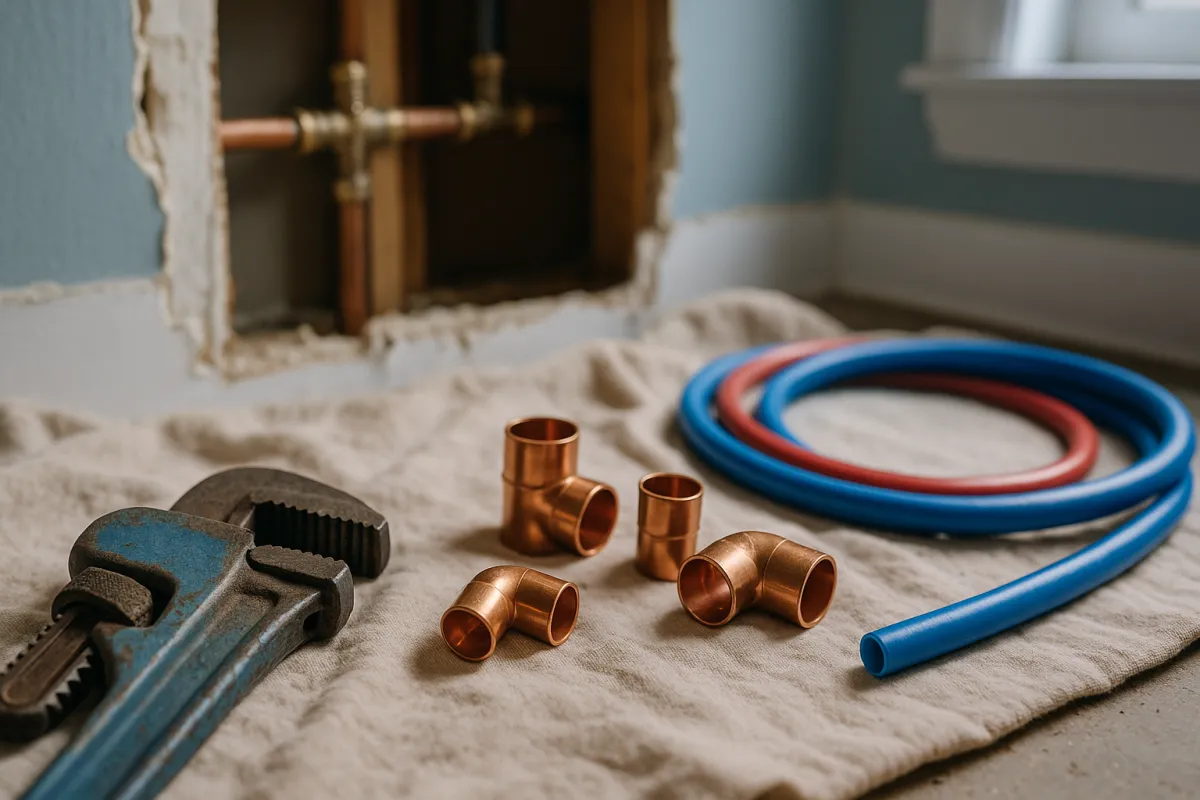
Most walk-in tub installations reuse the existing tub’s plumbing rough-in, meaning the supply lines and drain stay in roughly the same location, which keeps plumbing work to reconnection rather than relocation. Where the new tub’s connections do not align precisely with the old tub’s, which happens more often than buyers expect given that walk-in tub dimensions differ from standard tub dimensions, some supply and drain line adjustment is needed, adding its own modest labor cost within the installation labor range above.
The door seal is the other plumbing-adjacent detail worth understanding, even though it is not plumbing in the traditional sense. Because the user is inside the tub while it fills and drains, the door has to seal reliably against water pressure for years of daily use, and a failing seal is one of the most commonly reported long-term issues with walk-in tubs as a category. Ask specifically about the door seal’s warranty and what the replacement process looks like if it ever fails, since this is a wear part on a product that is otherwise built to last.
Water heater capacity is worth a mention here too, since a walk-in tub typically holds more water than a standard tub and fills while the door is sealed and the user is already inside, which makes an adequate hot water supply more of a comfort and safety question than it is for an ordinary bath. Our water heater repair file and tankless water heater cost file cover what it commonly costs to address a water heater that cannot keep up.
Electrical requirements for a jetted model
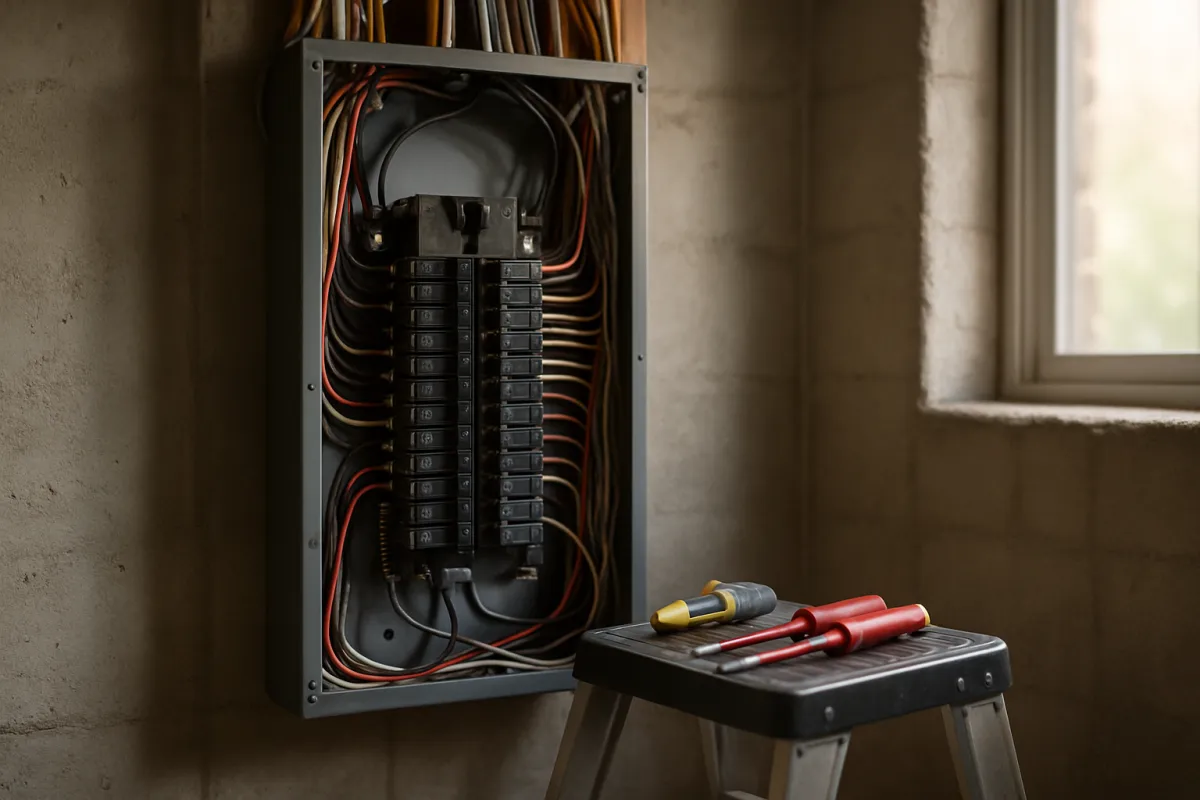
A soaker tub with no pump needs no new electrical work. A hydrotherapy model with water or air jets needs a dedicated, GFCI-protected circuit to power the pump, which is a code requirement around water for good reason, not an optional upgrade a seller is adding to the bill. If the bathroom already has a suitable GFCI circuit nearby with capacity to spare, this may already be satisfied. If not, running a new circuit commonly adds an illustrative $300 to $700, a smaller and more straightforward job than a larger circuit like an EV charger run, since the distance and amperage involved are both modest in most bathroom installations.
This is a question worth asking explicitly before signing anything, because it is one of the more common places a quote changes after the fact: a salesperson prices the tub and standard installation, and the electrical work surfaces as an addition once a technician actually evaluates the bathroom’s existing wiring. Our electrician cost file prices small circuit and device work in more depth if you want to sanity check a separate electrical quote against this one.
Framing, flooring and wall changes around the tub
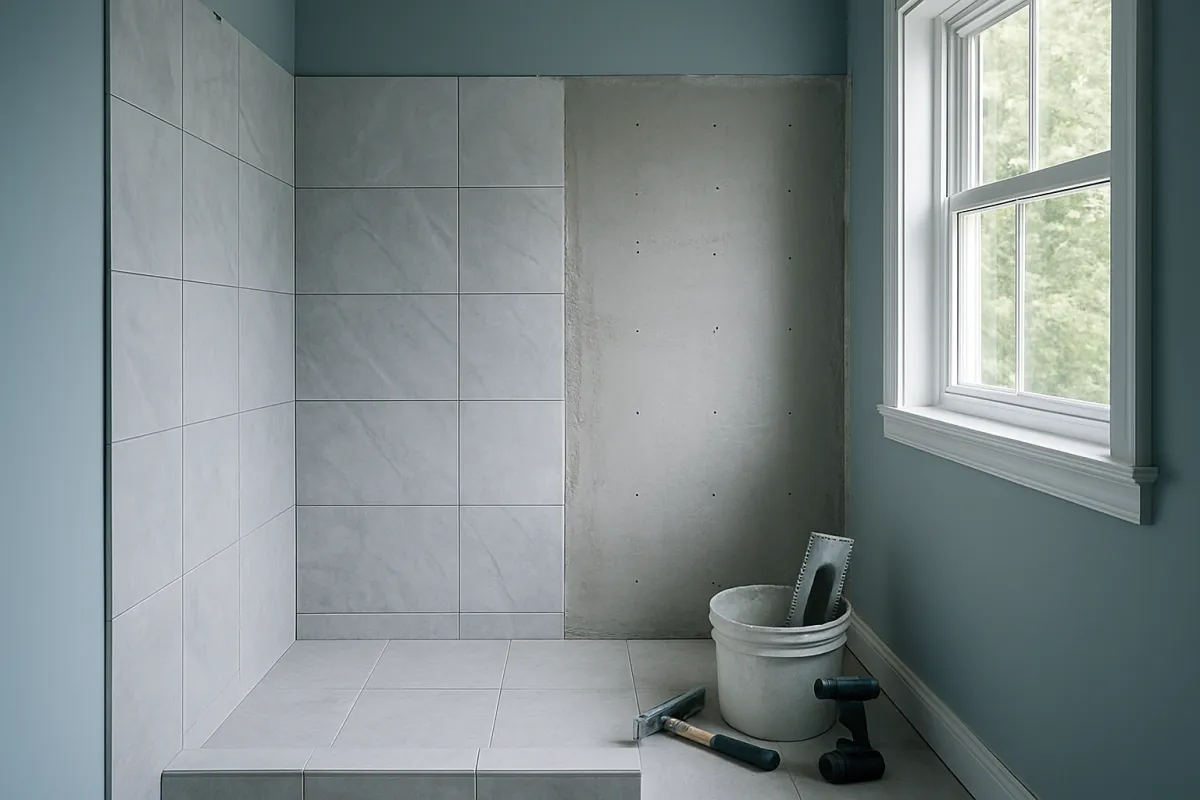
Because walk-in tub dimensions differ from a standard tub’s footprint, some installations need minor framing or wall adjustment to fit the new unit cleanly into the existing alcove, and nearly all of them need some wall and tile repair where the old tub’s surround met the wall. Illustratively, wall or tile repair around the new opening commonly adds $300 to $800, depending on how much of the surrounding wall is disturbed and what material is being matched.
Flooring is a related, often overlooked line. If the walk-in tub’s footprint does not precisely match the old tub’s, exposed subfloor around the new edges needs to be addressed, either with a transition piece or a small flooring repair, rather than left as a visible gap. This is a modest cost in isolation but is worth confirming is included in a quote rather than assumed, since “we’ll figure that out” during installation is not the same as a priced line item.
If the surrounding bathroom’s tile or wall surround is already dated or damaged beyond the immediate opening, this is also the natural moment to decide whether a fuller surround refresh makes sense alongside the tub swap, since the labor crew and the torn-open wall are already there. Our tile flooring cost file prices that broader work if it becomes part of the project.
Door seal and safety features, what you’re paying for
The features that actually justify a walk-in tub’s price over a standard tub are specific and worth naming rather than taking on faith from a sales pitch. A low step-in threshold, commonly a few inches rather than the 14 to 18 inches of a standard tub wall, is the core safety feature the entire product category exists to provide. A textured, slip-resistant floor inside the tub matters as much wet as the threshold does dry.
Grab bars are only useful if they are positioned where a real body actually reaches during entry, exit and sitting down, not simply present somewhere on the wall, so asking to see or sit in a floor model before buying, where possible, is worth the trip. The door seal, covered above, is the feature most likely to generate a service call years down the road, and its warranty terms deserve the same scrutiny as the tub’s main warranty.
None of these features are exotic engineering, which is part of why price variation between brands offering similar feature sets is worth questioning rather than assuming a higher price always means a better product. Ask what specifically justifies a price difference between two models with comparable thresholds, floors and door seals, and treat a vague answer as a signal to keep comparing.
Warranty coverage, what’s typical
Warranty terms vary widely across this category, and the headline number a brand advertises is worth reading past rather than taking at face value. Commonly cited structure splits coverage into a few separate clocks: the tub shell itself, the door and its seal, the jets and pump on a hydrotherapy model, and installation labor each carry their own term, and they are rarely all the same length. A shell warranty measured in decades sounds reassuring next to a door seal warranty measured in a handful of years, and the seal is the part most likely to actually need service.
Ask specifically what voids coverage, since professional installation is commonly a condition of the full warranty on most reputable brands, which is one more reason a do-it-yourself install is a poor trade-off even before the plumbing and electrical risk is considered. Ask too whether labor to access and repair a failed part under warranty is included or billed separately, since a warranty that covers the part but not the technician’s time to reach it is a narrower promise than it first appears.
The honest comparison point is not which brand claims the longest warranty number, but which company will actually be reachable to honor it in five or ten years. A regional or newer company may install at a lower price, while an established national brand may carry a sturdier service network behind its warranty. Neither is automatically the right answer, but it is a real trade-off worth weighing deliberately rather than deciding on price alone.
Fast-fill and fast-drain upgrades, why they matter
Because the user is sitting inside a sealed tub while it fills and empties, fill and drain speed is a genuine safety and comfort consideration, not purely a convenience feature. A standard fill can take several minutes, during which the user is sitting in a dry or shallow, often cooling tub, and a standard drain adds more time at the end before the door can safely be opened.
A fast-fill upgrade, typically a higher-flow faucet or an auxiliary fill line, and a fast-drain upgrade, typically a larger diameter or power-assisted drain, both shorten that window meaningfully. These are commonly offered as an upgrade package rather than standard equipment, and the cost is modest relative to the tub itself, so weighing the comfort and safety benefit against the incremental price is a reasonable part of the buying decision rather than an easy upsell to wave off automatically.
Water temperature stability during a longer fill is the related comfort factor worth asking about, particularly in a household with a smaller water heater, since a slow-filling tub paired with limited hot water capacity compounds the discomfort of both.
Walk-in tub vs walk-in shower, how to choose
A curbless or low-threshold walk-in shower conversion is generally the more affordable accessibility option, commonly an illustrative $3,000 to $8,000 for a straightforward conversion, against $5,000 to $20,000 for a walk-in tub depending on type. The core accessibility benefit, meaning step-free or low-step entry and exit, is shared by both options, which is why the tub-specific premium needs a clear reason to justify it.
That reason, for most buyers who choose a tub, is the ability to sit and soak, with hydrotherapy jets as a further specific benefit some users genuinely value for comfort or circulation. A shower cannot replicate either of those, however well designed it is. If soaking is not a priority and the goal is purely safer, step-free bathing, a walk-in shower conversion typically delivers that goal at a meaningfully lower price.
The honest way to decide is to separate the two questions explicitly: do you need or want the ability to sit and soak, and is the step-free entry the only real requirement. A sales conversation that steers straight to a walk-in tub without first asking which of those two needs is actually driving the decision is skipping the question that matters most for your budget.
Medicare, insurance and tax considerations
Original Medicare generally does not cover a walk-in tub purchase, since it is typically classified as a home modification rather than durable medical equipment. Some Medicare Advantage plans, some long-term care insurance policies, and certain state Medicaid home- and community-based services waivers may offer partial coverage or reimbursement under specific conditions that vary by plan, by state and by individual circumstances.
Because this area changes and varies so much, the only reliable source is your specific plan provider or your state’s Medicaid program office, contacted directly, rather than a general figure or a salesperson’s representation of what “usually” gets covered. A verbal assurance that a purchase “typically qualifies” is not a confirmed benefit, and confirming coverage in writing before purchase, where a program allows it, protects you from an unpleasant surprise afterward.
A tax deduction for a medically necessary home modification is a separate question from insurance coverage, with its own rules about medical necessity documentation and the percentage of adjusted gross income involved. This is a question for a tax professional familiar with your specific situation rather than a general cost file, since the rules are specific, change periodically, and depend on your individual tax circumstances.
Accessibility assistance beyond insurance
Outside of Medicare and private insurance, a handful of other paths sometimes help offset a walk-in tub’s cost for an eligible buyer, though none of them are universal and all are worth confirming directly rather than assumed. Veterans may have access to home modification benefits through the Department of Veterans Affairs for a service-connected need, administered under specific, separately defined programs with their own eligibility rules. State and local Area Agencies on Aging sometimes maintain grant or low-interest loan programs for home accessibility modifications, and eligibility and funding availability both vary significantly by state and by year.
Some nonprofit organizations focused on aging in place or on a specific condition occasionally offer grants or volunteer-installed accessibility modifications, though availability is inconsistent and demand commonly exceeds funding. None of these paths should be assumed to apply to any specific buyer without direct confirmation, and a reputable installer discussing financing should be transparent about the difference between a program you may qualify for and standard commercial financing, which carries ordinary interest costs like any other loan product.
The practical approach is to research what is actually available in your specific state and county before shopping for the tub itself, since knowing your real budget, after any genuine assistance, changes which tier of product makes sense to consider in the first place.
Installation timeline
A straightforward installation, replacing a standard tub with a walk-in model in the same location and reusing the existing plumbing rough-in, commonly takes one to two days of on-site work: removing the old tub, setting and connecting the new one, sealing the door and surround, and testing fill, drain and any jets before signing off.
A job requiring new electrical work, a plumbing adjustment beyond a simple reconnection, or wall and flooring repair beyond a basic reseal commonly extends to three to five days, since those additional trades add sequential steps that cannot all happen simultaneously. During installation the bathroom is generally out of service, which matters more in a home with only one full bathroom and is worth planning around, including, if needed, arranging an alternate bathing option for the installation window.
Where a typical walk-in tub budget goes
The chart below splits an illustrative hydrotherapy installation, the mid-tier category most buyers land in, including a new dedicated electrical circuit and modest wall repair around the opening.
Illustrative budget split, hydrotherapy walk-in tub
Shares of a roughly $9,550 installed hydrotherapy project, new circuit and wall repair included.
Shares move with the job: a soaker model removes the electrical band entirely, and a bariatric model enlarges the tub-unit share further still.
The tub unit itself dominates the budget in every scenario, which is the clearest argument for comparing tub models and brands carefully rather than focusing negotiating energy on the smaller labor, electrical and repair lines. A buyer who shops the tub unit price across two or three companies while holding labor roughly constant is targeting the part of the bill that actually moves the total.
Cost by tub type
Illustrative installed total by tub type
Includes a new dedicated circuit where applicable and modest wall repair; a soaker model needs no electrical line.
Illustrative totals only. A plumbing relocation, extensive wall repair or a difficult access point can push any of these higher.
The jump from soaker to hydrotherapy is the largest single step on this chart, and it is worth deciding deliberately rather than defaulting to a jetted model because it is what a showroom floor emphasizes. The step from hydrotherapy to bariatric is smaller in percentage terms but is not optional for a buyer who genuinely needs the wider door or higher weight rating, which is a fit question rather than a budget one.
DIY versus hiring a pro
Walk-in tub installation is not a reasonable do-it-yourself project for the large majority of homeowners, and this is one of the more clear-cut calls in this cost file’s entire network. The job involves disconnecting and removing an existing tub, which is heavy and awkward to handle alone, reconnecting plumbing correctly to prevent leaks that can go undetected inside a wall for months, and, for a jetted model, electrical work around water that absolutely requires a licensed, GFCI-code-compliant installation.
Beyond the technical skill required, most reputable walk-in tub manufacturers condition their warranty on professional installation, which means a do-it-yourself install can void coverage on a product that is itself a meaningful investment. Our walkthrough on deciding between DIY and hiring a pro frames this trade-off more generally, and a walk-in tub sits firmly on the hire-a-professional side of that framework.
How to read a walk-in tub installation quote
A trustworthy quote names the tub model specifically, not just “walk-in tub,” and states its type, soaker, hydrotherapy or bariatric, its interior dimensions, and its weight capacity. It separates the tub unit price from installation labor, states explicitly whether a new electrical circuit is needed and what that costs if so, and states whether wall or flooring repair around the opening is included or priced separately.
It should also state the door seal’s warranty terms clearly, since that is the part most likely to need attention years down the road, and it should give you time to review it rather than requiring a same-visit decision. Our walkthrough on comparing contractor quotes and our note on vetting a contractor both apply directly here, and verifying licensing and insurance independently, rather than taking a sales representative’s claim at face value, matters more in this category than in most.
Common mistakes, and what to watch for when shopping
This category attracts more aggressive, high-pressure sales tactics than most home improvement purchases, frequently aimed specifically at older homeowners facing a real mobility concern, which is exactly the situation where a rushed decision is most costly. A price presented as good only if you sign during the same visit, a refusal to itemize tub cost separately from labor, electrical and repair costs, and pressure to finance on the spot before you have compared even one other quote are all recognizable patterns worth naming before you are in the middle of one.
The second common mistake is choosing a jetted model primarily because it was the one demonstrated, without first deciding whether soaking versus simple step-free safety is the actual goal, which the comparison earlier in this file is meant to help you make deliberately. The third is not confirming electrical and wall-repair scope before signing, which is where a quote most often grows after the fact. The fourth is skipping the direct comparison against a walk-in shower conversion, which for many buyers whose priority is safety rather than soaking is the cheaper way to the same outcome.
A worked example, a mid-range hydrotherapy installation
Take a common case: a standard bathroom alcove tub being replaced with a mid-range hydrotherapy walk-in tub, reusing the existing plumbing rough-in, with no existing circuit suitable for the pump nearby and modest wall repair needed where the old surround met the wall.
Tub unit. A mid-range hydrotherapy model with water and air jets comes to an illustrative $6,000.
Installation labor. Removing the old tub, reconnecting the plumbing and setting and sealing the new unit comes to an illustrative $2,500.
Electrical. A new dedicated, GFCI-protected circuit for the pump comes to an illustrative $500.
Wall repair. Patching and refinishing the wall where the old tub surround met it comes to an illustrative $550.
Total: roughly $9,550. That figure sits inside the $8,000 to $15,000 hydrotherapy band used throughout this cost file. A soaker model in the identical bathroom, with no electrical line needed, would land closer to $6,500 to $7,000. Run your own tub type, electrical need and wall repair scope through the estimator and the same worked example rebuilds itself around your bathroom.
Regional and seasonal price swings
Installation labor rates vary regionally the way they do for every trade, so the identical tub model installed can differ meaningfully between markets. Tub units themselves are sold through a comparatively small number of national brands and distributors, which keeps material pricing more uniform across regions than labor is.
Seasonality has a modest effect here, mainly through scheduling rather than price. Many buyers pursue this project as part of a broader plan to age in place or to prepare a home before or after a health event, which does not follow the same seasonal demand pattern as exterior trades like roofing or concrete. Lead time for a specific model, particularly a bariatric or heavily customized unit, is worth confirming directly rather than assumed, since specialty models can carry longer manufacturing lead times than standard ones.
The bottom line
Walk-in tub cost is the tub type plus installation labor plus whatever the specific bathroom needs beyond a simple swap. Illustratively, a soaker model runs $5,000 to $9,000 installed, a hydrotherapy model $8,000 to $15,000, and a bariatric or wide-door model $10,000 to $20,000, with the tub unit itself typically $2,000 to $8,000 of that and installation labor, electrical work and wall repair as separate lines on top.
Decide deliberately whether soaking and jets are a real priority or a showroom upsell, confirm electrical and wall-repair scope before signing anything, and compare the walk-in shower alternative honestly if step-free safety rather than soaking is the actual goal. Insist on an itemized quote, take the time this category tries to deny you, and get at least one comparison bid before committing. A walk-in tub bought carefully is a genuine safety upgrade for years of daily use; the same tub bought under pressure on the first visit is a worse deal for the identical product.
This cost file describes how walk-in tub installations are generally scoped and priced, not what your particular bathroom or situation requires, and it is not a substitute for an in-person evaluation and a written, itemized estimate from a licensed, insured installer. Every dollar figure and percentage share above is illustration only: your real cost moves with your region’s labor rates, your bathroom’s existing plumbing and wiring, and the specific model you choose. Insurance, Medicare and tax treatment of a walk-in tub vary by plan, by program and by individual circumstances, so confirm coverage and deductibility directly with your plan provider or a tax professional rather than relying on a general estimate.
Frequently asked questions
How much does a walk-in tub cost installed?
A basic soaker walk-in tub, without water or air jets, commonly costs an illustrative $5,000 to $9,000 installed. A hydrotherapy model with water jets, air jets or both commonly runs $8,000 to $15,000 installed. A bariatric or extra-wide-door model, built for a larger user or easier transfer, commonly runs $10,000 to $20,000 installed. Those figures include the tub itself, removal of the old tub, plumbing changes, basic electrical work where needed, and standard installation labor, not a remodel of the surrounding bathroom.
What's the difference between the tub price and the installation price?
The tub unit itself, the fiberglass or acrylic shell with its door, seat and jets if equipped, is typically sold separately from the labor to actually put it in the bathroom. Illustratively, the tub unit alone commonly runs $2,000 to $8,000 depending on type, while installation labor, covering removal of the old tub, plumbing adjustments, framing and finish work, commonly adds another $1,500 to $3,500. A sales quote that states only one combined number is not necessarily hiding anything, but asking for the two figures separately makes it much easier to compare against a different company's bid.
Does a walk-in tub need a new electrical circuit?
A soaker tub with no pump needs no new electrical work at all beyond what the bathroom may already have. A hydrotherapy model with water or air jets needs a dedicated, GFCI-protected circuit to power the pump safely, and if the bathroom does not already have one nearby, running a new circuit commonly adds an illustrative $300 to $700. Confirm with your installer, before signing anything, whether your bathroom's existing wiring already satisfies this requirement or whether an electrician's visit is a separate line item on top of the tub installation.
Is a walk-in tub or a walk-in shower cheaper?
A curbless or low-threshold walk-in shower conversion is generally the less expensive accessibility option, commonly an illustrative $3,000 to $8,000 for a straightforward tub-to-shower conversion, against $5,000 to $20,000 for a walk-in tub depending on type. A walk-in tub is usually chosen specifically for the ability to sit and soak, including therapeutic jets in a hydrotherapy model, which a shower cannot replicate. If soaking is not a priority and the main goal is simply safer, step-free bathing, a walk-in shower is often the more affordable route to the same safety outcome.
Does Medicare or insurance cover a walk-in tub?
Original Medicare generally does not cover a walk-in tub as a routine purchase, because it is classified as a home modification rather than durable medical equipment in most cases. Some Medicare Advantage plans, some long-term care insurance policies, and certain state Medicaid waiver programs may offer partial coverage or reimbursement under specific conditions, and eligibility rules change and vary by plan and by state. Confirm your specific coverage directly with your plan provider before budgeting around an assumption of reimbursement, since a verbal estimate from a sales representative is not the same as a confirmed benefit.
How long does walk-in tub installation take?
A straightforward installation, replacing a standard tub with a walk-in model in the same location using the existing plumbing rough-in, commonly takes one to two days of on-site work. A job that requires new electrical, a plumbing relocation, or wall and flooring repair beyond a simple swap commonly extends to three to five days. During installation the bathroom is typically out of use, which is worth planning around if it is the home's only bathroom.
Is a walk-in tub safe, and what should I look for?
The core safety features worth confirming on any model are a low step-in threshold, a textured non-slip floor, grab bars positioned for real use rather than decoration, and a door seal rated to hold water reliably over years of daily use, since a failing seal is the most commonly reported long-term complaint with walk-in tubs generally. Because the user sits inside while the tub fills and drains, a fast-fill and fast-drain feature is also a genuine safety consideration, not just a comfort one, since sitting in a cold, empty, slowly filling tub is a real discomfort and fall-risk window worth minimizing.
What should I watch for when shopping for a walk-in tub?
This category attracts aggressive, high-pressure sales tactics more than most home improvement purchases, often aimed specifically at older homeowners, and recognizing the pattern protects your budget as much as your bathroom. Red flags include a price that is said to be good only if you sign today, a quote with no itemized breakdown between the tub, labor, electrical and any wall repair, and pressure to finance immediately before you have compared even one other bid. A trustworthy installer answers direct questions plainly and leaves you time to decide.