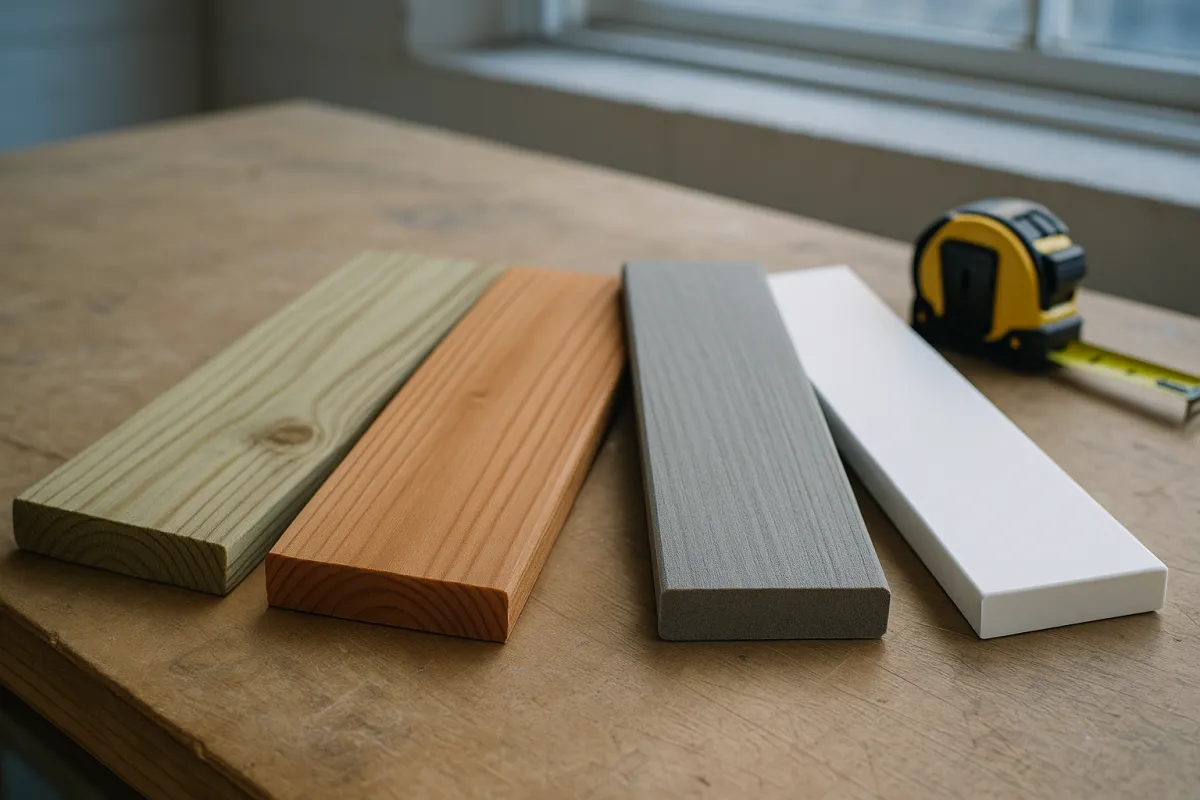
What's on this page
- Vinyl vs laminate flooring: the short answer
- What vinyl plank flooring actually is
- What laminate flooring actually is
- Vinyl vs laminate flooring at a glance
- Vinyl versus laminate flooring: how to weigh the two
- Water resistance: where vinyl wins
- Durability and daily wear
- Look and feel underfoot
- Laminate vs vinyl flooring cost per square foot
- Where an installed flooring dollar goes
- Installation and DIY-friendliness
- Comfort, sound, and warmth
- Lifespan and how long each lasts
- Resale value and buyer perception
- Where vinyl is the better choice
- Where laminate is the better choice
- Room by room: which floor goes where
- Maintenance and cleaning
- Repairs and replacing a damaged plank
- What a flooring installation quote should include
- A worked example: flooring a kitchen and a bedroom
- Common mistakes choosing between vinyl and laminate
- How to choose in five questions
- The bottom line
Short answer: Neither material is better everywhere; choose by room. Vinyl plank wins wherever water is a risk, meaning kitchens, bathrooms, basements and laundry rooms, because quality vinyl is highly water resistant and often waterproof, while laminate's wood-fiber core can swell permanently if water sits on it. Laminate suits dry rooms such as bedrooms, living rooms and hallways where a crisp wood look matters most. Cost, installation and lifespan are close.
Vinyl vs laminate flooring comes down to a handful of honest questions about the room, your budget, and how the floor will actually be used, not to a blanket verdict that one material always beats the other. Both are affordable, both install over a weekend for a patient DIYer, and both can look convincingly like wood from across a room. Yet they are built from completely different materials, and that difference decides which one survives a kitchen spill, which feels warmer underfoot, and which photographs better in a listing. Homeowners who pick by brand name or by the first sample they like often end up with laminate in a bathroom that later swells, or premium vinyl in a dry bedroom where cheaper laminate would have done.
This comparison lays the two side by side on every factor that should tip the decision: what each material actually is, water resistance, durability, look and feel, illustrative cost per square foot, installation and how DIY-friendly each is, where each one suits, lifespan, and resale. For how flooring fits a larger project budget, our bathroom remodel cost file and kitchen remodel cost file show where the floor sits among the other lines, and if you are weighing a self-install, our note on planning a DIY-versus-hire decision helps you price both sides. Start by sketching your own room in the flooring cost estimator so every number below sits next to a figure for your space.
Key takeaways
- Choose by room, not by rule. Vinyl plank wins where water is a risk (kitchen, bath, basement, laundry), and laminate suits dry rooms (bedroom, living room, hallway) where a crisp wood look matters most.
- Water resistance is the clearest split: quality vinyl is highly water resistant and often waterproof, while laminate's wood-fiber core can swell permanently if water sits on it.
- Cost is closer than people think. Laminate material is often a touch cheaper per square foot, but installation is similar and the quality tier moves the price far more than the vinyl-versus-laminate choice.
- Both are among the most DIY-friendly floors, using click-lock floating planks. Subfloor prep and clean edge cuts are where first-timers struggle, not the snapping-together part.
- Lifespan is similar for both (an illustrative fifteen to twenty-five years). Matching the material to the room, and picking a thicker wear layer, does more for longevity than the category itself.
Vinyl vs laminate flooring: the short answer
If you want the decision in two sentences: put vinyl plank in any room that might meet water, and put laminate in dry rooms where a wood-authentic look and feel is the priority. That single rule resolves most cases, because water resistance is the one factor where the two materials genuinely diverge, and it is also the factor most likely to end a floor’s life early when it is ignored. Search it either way round, vinyl vs laminate flooring or laminate vs vinyl flooring, and the answer stays the same, because the winner is decided by the room rather than by the material.
Everything else, cost, durability, comfort, resale, is close enough that it rarely overturns the room-first rule on its own. The two floors cost roughly the same to install, last about the same number of years, and both look good enough that most guests never guess what is underfoot. So the smart move is to start with the room, let water risk make the first cut, and then use the softer factors to break ties between comparable products.
The rest of this article unpacks why that rule holds and where the exceptions live, so you can defend the choice for your own home rather than take it on faith. Keep the companion on this page open as you read: it turns your room size, material, and quality tier into an illustrative installed cost that updates in each section.
What vinyl plank flooring actually is
Vinyl plank flooring, usually sold as luxury vinyl plank or LVP, is built almost entirely from plastic (polyvinyl chloride) with no wood in the structural core. A typical plank stacks several layers: a backing layer, a rigid or flexible PVC core that gives the plank its body, a printed design layer that carries the wood or stone image, and a clear wear layer on top that takes the daily abuse. Because the core is plastic, water passes over and around it without being absorbed, which is the single property that defines vinyl’s reputation.
You will see vinyl sold in a few constructions. Flexible LVP is thinner and more forgiving of minor subfloor imperfections. Rigid-core versions, often labeled SPC (stone-plastic composite) or WPC (wood-plastic composite despite the name, still not structural wood), are stiffer, feel more solid underfoot, and hide small subfloor flaws better. Most quality vinyl today clicks together as a floating floor, though glue-down and peel-and-stick options exist for specific situations.
The layer that matters most for how long a vinyl floor looks good is the wear layer, measured in mils. A thicker wear layer resists the scratches and scuffs that dull a floor over time, and it is often a better predictor of durability than the price on the box. When you compare vinyl products, compare wear layers before you compare looks, because two planks that look identical can wear very differently.
What laminate flooring actually is
Laminate flooring is built around a core of compressed wood fiber, usually high-density fiberboard (HDF), which is real wood content but in a dense, engineered form rather than a solid plank. Over that core sits a high-resolution printed image of wood (or occasionally stone), and above the image a tough, clear melamine wear layer that resists scratches and scuffs. A backing layer on the bottom adds stability. The result is a floor with a firm, solid step that many people read as more wood-like than vinyl underfoot.
That wood-fiber core is the source of both laminate’s strength and its weakness. It gives laminate a hard, rigid feel and excellent resistance to surface scratches, which is why laminate holds up so well to pets, chairs, and heavy foot traffic in dry rooms. But wood fiber absorbs water, so when moisture reaches the core through a seam or a standing spill, the board can swell, lift at the edges, or delaminate, and that damage rarely reverses.
Modern laminate has improved. Tighter locking joints, treated edges, and water-resistant product lines handle splashes and quick cleanups far better than the laminate of a decade ago. Some products now carry water-resistant ratings that let them tolerate a wet mop or a brief spill. Still, water resistant is a different claim from waterproof, and even the best laminate is not the floor you want under a bathtub or in a basement that has ever taken on water.
Vinyl vs laminate flooring at a glance
Before the detailed sections, here is vinyl flooring vs laminate flooring in one view. Every figure is illustrative and varies by product, quality tier, and local market, so treat the table as a shape rather than a quote.
| Factor | Vinyl plank (LVP) | Laminate |
|---|---|---|
| Core material | Plastic (PVC), no structural wood | Wood-fiber (HDF) core |
| Water resistance | Highly water resistant, often waterproof | Water sensitive, core can swell |
| Feel underfoot | Softer, warmer, quieter | Harder, firmer, can sound hollow |
| Wood-look realism | Very good, always improving | Often a touch crisper and more wood-like |
| Scratch and dent | Resists dents, surface can scratch | Very scratch resistant, edges can chip |
| Best rooms | Kitchen, bath, basement, laundry | Bedroom, living room, hallway |
| Installation | Click-lock float, glue, or peel-and-stick | Click-lock float over underlayment |
| Illustrative material cost per sq ft | About $2 to $6 | About $1 to $4 |
| Typical lifespan | About 15 to 25 years | About 15 to 25 years |
The pattern in the table is the story of the whole article: the two floors are close on most rows, and the row that most often decides the room is water resistance. Use the companion on this page to attach real numbers to the cost row for your own space, then read on for why each row lands where it does.
Vinyl versus laminate flooring: how to weigh the two
No single factor should decide the floor by itself, which is why it helps to see how much each one tends to pull on the choice. Water exposure in the room usually carries the most weight, because it is the factor most likely to destroy the wrong floor. Budget per square foot comes next, since it sets the quality tier you can reach in either material. The look and feel you want, whether you install it yourself or hire a pro, and the longevity and resale angle round out the picture and mostly break ties.
The weighting below is illustrative, meant to show the pattern rather than a precise formula. The point is that water risk and budget usually do the heavy lifting, while taste, install path, and resale settle the close calls between two comparable products.
What should tip a vinyl vs laminate choice
Illustrative weighting of how much each factor tends to pull on the decision.
The weights are illustrative. The pattern is fixed: water risk and budget usually carry the most weight, and taste, install path, and resale break the ties.
Hold this shape in mind as you read the detailed factors below. When two products feel like a coin flip, come back here: the room’s water risk and your budget almost always break the tie before the softer factors do.
Water resistance: where vinyl wins
This is the clearest, most decisive difference between the two floors, so it deserves the plainest statement. Quality vinyl plank is highly water resistant, and many products are engineered to be fully waterproof, because the plastic core simply does not absorb water. Spill a glass, mop up a leak, or track in slush, and a vinyl floor shrugs it off as long as water does not sit trapped underneath for a very long time. That property is why vinyl has taken over kitchens, bathrooms, laundry rooms, and basements in the last decade, and why it is the default floor in a basement finishing cost plan, where below-grade moisture makes the choice for you.
Laminate sits on the other side of this line. Its wood-fiber core absorbs moisture, so water that reaches the core through a seam or pools on the surface can cause swelling, edge lift, and delamination that usually cannot be repaired, only replaced. Water-resistant laminate lines handle splashes and quick cleanups better than older products, and they are a real improvement, but water resistant means it tolerates brief exposure, not that it survives standing water. A dishwasher that leaks overnight is the kind of event that a vinyl floor often survives and a laminate floor often does not.
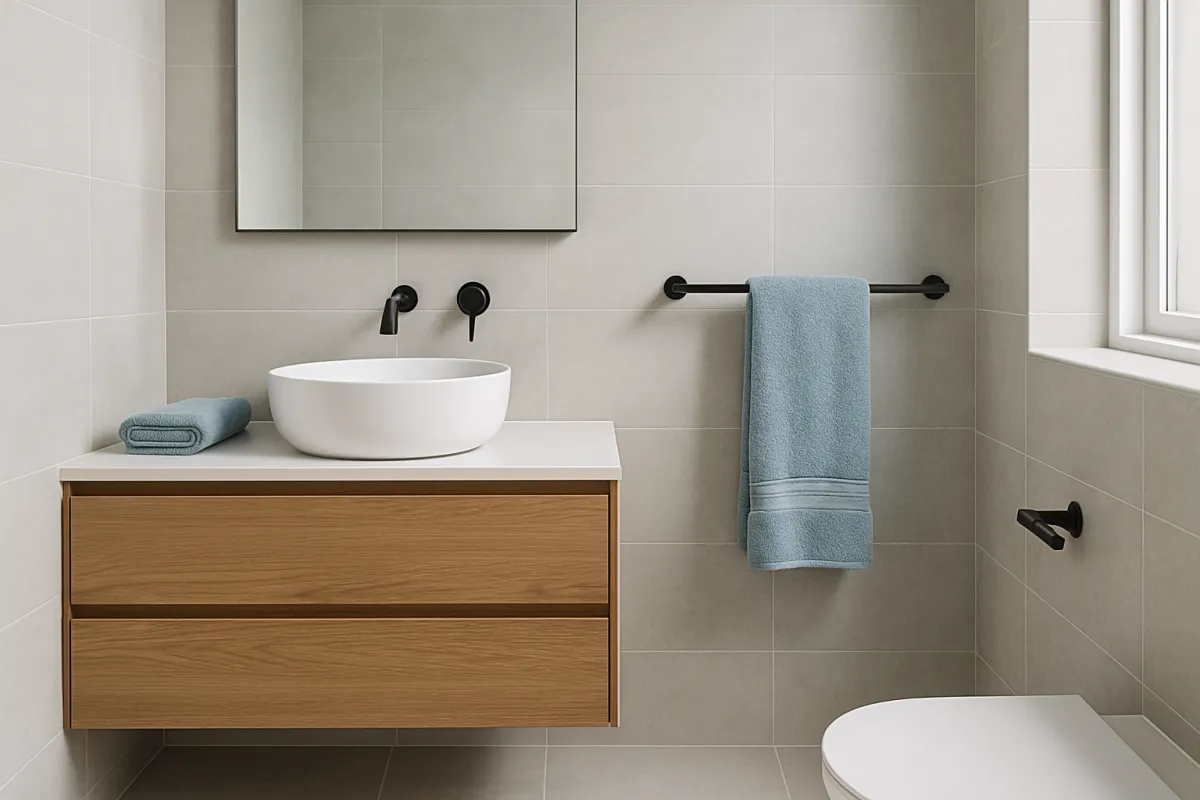
The practical takeaway is simple. If the room sees water as a normal part of its life, or if a leak there would be expensive to deal with, vinyl is the safer material even when everything else points to laminate. If the room is reliably dry, this factor stops mattering and the decision opens back up to look, feel, and cost.
Durability and daily wear
Durability splits into two questions that the two floors answer differently: how well does it resist scratches, and how well does it resist dents and impacts. Laminate is the champion of scratch resistance. Its hard melamine wear layer stands up to pet claws, dragged chairs, and grit tracked in on shoes better than most floors at its price, which is why it thrives in busy, dry hallways and living rooms. If your household includes large dogs and a lot of foot traffic in a dry room, laminate’s surface hardness is a real advantage.
Vinyl trades some scratch resistance for better impact and dent behavior. Because the plank has a little give, a dropped pan or a heavy dropped tool is less likely to crack or chip vinyl than laminate, whose hard surface can chip at the edges under a sharp impact. Vinyl’s softer surface can show scratches more readily than laminate, though a thick wear layer narrows that gap considerably. Neither floor is indestructible, and both benefit from felt pads under furniture and a doormat at every entry.
The most important durability variable in either material is the wear layer, not the category. A premium vinyl with a thick wear layer will outlast a thin budget laminate, and a quality laminate will outlast a bargain-bin vinyl. When you shop, read the wear layer spec and the abrasion rating (laminate often lists an AC rating) before you judge durability by the material name. Matching the wear rating to the room’s traffic does more for how the floor ages than the vinyl-versus-laminate choice.
Look and feel underfoot
Both materials can look convincingly like wood, and from standing height most people cannot tell a good vinyl from a good laminate. Where they differ is closer up and underfoot. Laminate often carries a slightly crisper, more detailed wood grain, and higher-end products emboss the surface texture in register with the printed grain so the floor feels like wood where your hand or bare foot lands. Laminate’s firm, solid step also reads as wood to many people, because there is no flex under the plank.
Vinyl has closed most of the visual gap and many products look excellent, with realistic grain, varied plank tones, and beveled edges that mimic real boards. What differs is the feel: vinyl is softer and slightly more flexible, so it feels a touch more like a resilient floor than a solid wood one. For many homeowners that softness is a feature, not a flaw, because it is warmer and more forgiving underfoot, but if a wood-authentic step is your priority, laminate often has the edge.
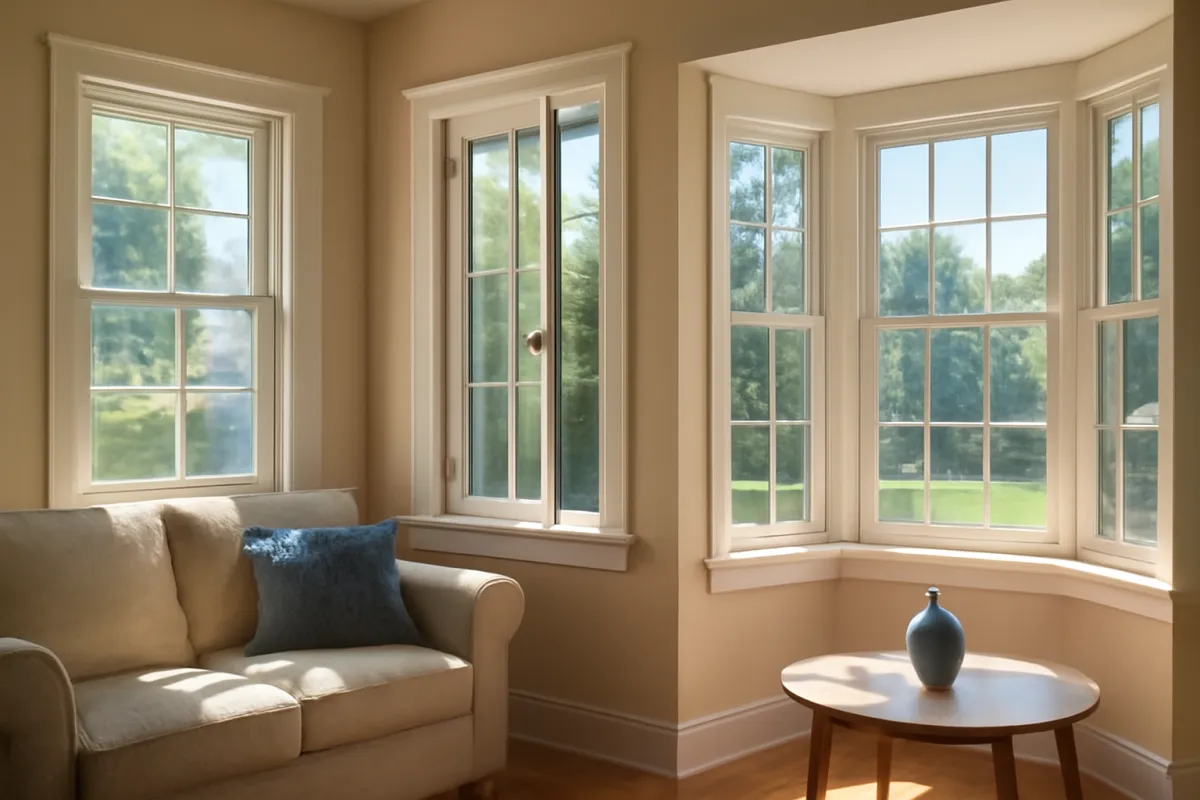
Color and style availability is broad in both, so you are unlikely to be limited on looks with either. The honest way to choose on appearance is to bring home large samples of both, lay them in the actual room under its real light, and walk on them barefoot. The floor you prefer in your own space beats any general claim about which category looks more like wood.
Laminate vs vinyl flooring cost per square foot
Cost is where a lot of assumptions go wrong, because laminate vs vinyl flooring moves the price far less than the quality tier and the room do. As a rough, illustrative guide, laminate material often lands a touch cheaper than comparable vinyl at each tier, but the ranges overlap so much that a premium laminate easily costs more than a budget vinyl. The table below shows illustrative per-square-foot figures; your real numbers depend on the product, the market, and the installer, so get local quotes before you budget.
| Cost line (per sq ft, installed, illustrative) | Vinyl plank (LVP) | Laminate |
|---|---|---|
| Budget material | About $2 | About $1 |
| Mid-range material | About $3.50 | About $2 |
| Premium material | About $6 | About $4 |
| Professional install labor | About $2 to $4 | About $2 to $4 |
| Underlayment and trim | About $0.50 to $1 | About $0.50 to $1 |
| All-in installed (mid, pro) | About $6 to $9 | About $4 to $7 |
Two things stand out in the table. First, the install labor is essentially the same for both, because both are usually floated as click-together planks, so hiring a pro does not favor one material. Second, the tier you pick, budget to premium, swings the material cost more than the category does. If your budget is the binding constraint, the more useful question is which tier you can afford, not which of the two materials to buy. The companion on this page turns these ranges into an installed total for your own room size and tier, and our LVP flooring cost file goes deeper on the vinyl side alone.
Where an installed flooring dollar goes
It helps to see how an installed flooring budget divides, because it explains why doing the work yourself changes the total so much and why a suspiciously low quote usually cut a real corner. On a typical professionally installed floor, the material is the largest single band, the install labor is the next largest, and the smaller lines cover underlayment, trim and transitions, and removing and prepping the old floor. The exact split shifts with the product and the room, but the shape is consistent.
Where an installed flooring dollar goes
Illustrative breakdown of a professionally installed floor, summing to 100.
The shares are illustrative. The principle is fixed: material and labor are the two big bands, so doing the install yourself removes a real slice of the total.
The labor band is the one you can supply yourself, which is why DIY-friendly flooring is such a popular way to cut a project’s cost. It also explains the trap in the cheapest quote: a bid far below the others usually thinned one of these bands, most often the prep or the underlayment, and those are exactly the lines that decide whether the finished floor stays flat and quiet. When you compare flooring quotes, check that the prep and underlayment are actually in the price, not assumed away.
Installation and DIY-friendliness
Both vinyl and laminate are among the most beginner-friendly floors you can install, and that is a genuine point in favor of either over materials like tile or solid hardwood. The reason is the click-lock floating system: modern planks snap together edge to edge and float over an underlayment without glue or nails, so a patient first-timer can floor a simple rectangular room over a weekend with a saw or cutter, spacers, and a tapping block. Flooring is one of the most common first real DIY projects for exactly this reason.
The snapping-together part is easy; the parts that trip people up are the setup and the edges. Subfloor prep is the big one, because a floating floor telegraphs bumps and dips underneath, so the surface must be clean, dry, and flat within tolerance before the first plank goes down. Getting the first row straight sets the whole floor, and cutting neat edges around doorframes, cabinets, and transitions takes patience and a couple of extra tools. Rigid-core vinyl is a bit more forgiving of minor subfloor flaws than thin laminate, which can help a first-timer.
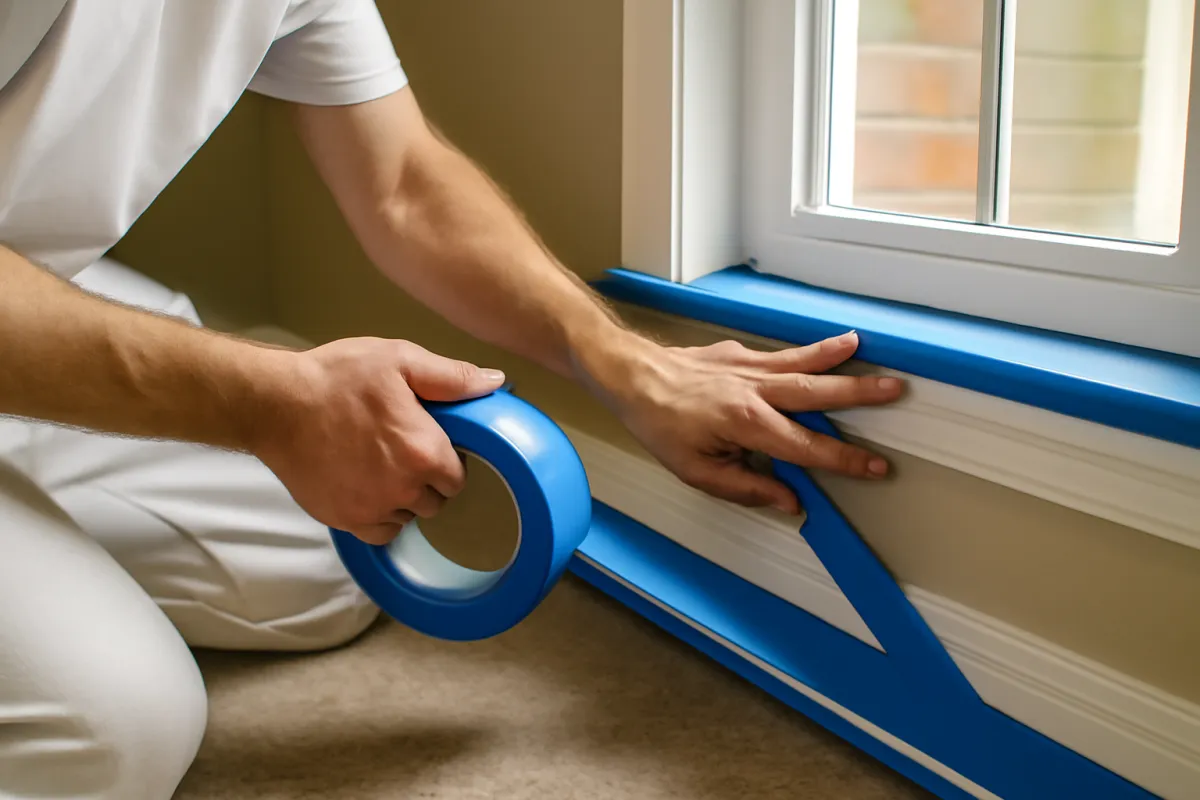
If the subfloor is uneven, the room has a complicated shape, or you want the job done fast, a professional install is often worth the labor, and because the labor rate is similar for both materials, hiring a pro does not push you toward one over the other. Our note on planning a DIY-versus-hire decision walks through pricing both paths honestly, and you can sketch the labor line for your room in the flooring cost estimator.
Comfort, sound, and warmth
The everyday experience of a floor comes down to how it feels to stand and walk on, how warm it is underfoot, and how it sounds, and here the two materials diverge in ways you notice daily. Vinyl is softer and slightly warmer, because the plastic core has a little give and does not pull heat from your feet as quickly. In a kitchen where you stand at the counter or a room where kids play on the floor, that softness and warmth is a real comfort advantage, and vinyl also tends to be quieter, with less of the sharp click underfoot.
Laminate is firmer and can feel cooler, and without a good underlayment it can sound hollow or produce a distinct click as you walk, especially over an uneven subfloor. The right underlayment makes a large difference here, dampening sound and adding a touch of cushion, so budgeting for a quality underlayment is worth it with laminate in particular. Some laminate and vinyl products come with an attached underlayment pad, which simplifies the install and improves the feel.
Both floors work with area rugs to add warmth and quiet in the spots where you want them, and neither is as warm underfoot as carpet. If comfort and quiet are high on your list, vinyl has a modest natural edge, but a well-chosen underlayment can close much of the gap for laminate. As with looks, the honest test is to walk on samples of both in the actual room before deciding.
Lifespan and how long each lasts
Lifespan is rarely the factor that separates these two, because both commonly last somewhere in the illustrative range of fifteen to twenty-five years in a home when they are installed well and matched to the right room. What ends a floor early is almost never the calendar; it is a mismatch or a thin product. Laminate soaked in a bathroom fails in months, not years, and a bargain vinyl with a paper-thin wear layer looks tired in a busy entry long before a quality product would.
The wear layer is again the variable that matters most within each material. A thicker wear layer on vinyl, or a higher abrasion rating on laminate, buys years of good looks in a high-traffic room, while a thin one wears through in the same spot much sooner. When you compare two products, the wear rating tells you more about how long it will look good than the material category does. Spending up a tier on the wear layer in a heavy-use room is often money well spent.
Warranties on both often run twenty to thirty years, but they come with conditions that are easy to void, such as installation over the wrong subfloor, use in a room the product is not rated for, or failure to follow the maintenance rules. Read what the warranty actually covers and what voids it before you rely on the headline number. Spread over a typical service life, even the pricier option usually works out to a modest illustrative cost per year, which is worth remembering when a small upfront saving tempts you toward a thinner product.
Resale value and buyer perception
Both vinyl and laminate are viewed by most buyers as practical, mid-tier flooring, so neither commands the premium that solid hardwood or high-end tile can, but both are a clear upgrade over worn carpet or dated sheet vinyl. The resale value of flooring is less about the appraisal line and more about how move-in ready the home shows: a clean, neutral, well-installed floor in a durable material signals that the house has been cared for, which supports the sale even when it does not raise the appraised value much on its own.
Buyer perception has shifted in vinyl’s favor over the last several years. Quality vinyl plank is now widely recognized as a sensible, water-resistant choice, especially in kitchens and baths, and buyers rarely react to it as a downgrade the way they once did to older vinyl. Laminate photographs well in listings and reads as wood in photos, which helps a home’s online presentation, where most buyers first see it. A realistic, neutral floor in either material is a net positive for showing.
The honest framing is to treat flooring as living quality you enjoy now rather than a dollar-for-dollar investment you recover at sale. Neither material is likely to hurt resale when it is neutral, in good condition, and matched to the room, and a floor that is the wrong material for its room (laminate cupping in a bath) will hurt more than the choice between the two ever helps. For how flooring fits the broader return picture, our bathroom remodel cost file covers where finishes land in resale expectations.
Where vinyl is the better choice
Vinyl plank is the safer pick whenever water is part of the room’s normal life or a leak there would be costly. That covers kitchens, full and half bathrooms, laundry rooms, mudrooms, and basements, where spills, humidity, and the occasional appliance leak are routine rather than rare. In those rooms, vinyl’s waterproof or highly water-resistant core is worth more than any small advantage laminate holds elsewhere, because the alternative is a floor that can be destroyed by a single bad spill.
Vinyl also earns its place in homes with young kids or pets in the wet-prone rooms, where accidents happen and a quick wipe-up needs to be the end of the story, not the start of a repair. Its softer, warmer feel is a bonus in rooms where people stand for a while, like a kitchen, and its quieter step is welcome in busy households. Rigid-core vinyl’s tolerance for minor subfloor imperfections makes it a friendlier DIY project over an imperfect slab or subfloor, which many basements have.
If you want one material to run through an entire main floor for a seamless look, including the kitchen and any bath, vinyl is usually the choice that can safely do it. The consistency of a single floor flowing through the wet and dry rooms alike is easier to achieve with vinyl, because it is the material that survives every room. When water risk is anywhere in the plan, vinyl is the default.
Where laminate is the better choice
Laminate is the stronger pick in reliably dry rooms where a wood-authentic look and feel and top-tier scratch resistance matter most. Bedrooms, living rooms, dining rooms, home offices, and hallways are its home turf, because none of them normally meets standing water, and all of them benefit from laminate’s crisp grain, firm underfoot feel, and hard, scratch-resistant surface. In a busy dry hallway with pets and heavy traffic, laminate’s surface hardness is a genuine advantage over vinyl.
Laminate also appeals when a wood-authentic step is a priority and the budget favors it, since laminate material often lands a touch cheaper than comparable vinyl at each tier. For a homeowner flooring several dry bedrooms who wants the most convincing wood look for the money, laminate frequently delivers the better value. Higher-end laminate with embossed-in-register texture, where the surface feel aligns with the printed grain, is especially convincing.
The condition on all of this is dryness. Laminate rewards a dry room and punishes a wet one, so the moment a room carries real water risk, laminate’s advantages stop mattering and vinyl becomes the safer call. If you love laminate’s look and want it in a space with occasional splashes, choose a water-resistant product, seal the perimeter well, and commit to wiping spills promptly, understanding that water resistant is not waterproof.
Room by room: which floor goes where
Translating the water-first rule into a room-by-room plan makes the whole decision concrete. In the kitchen, vinyl is usually the pick, because spills, drips, and the occasional appliance leak are routine, and vinyl’s warmth underfoot is a bonus where you stand to cook. Laminate can work in a kitchen only with a water-resistant product and diligent spill habits, and even then it carries more risk than vinyl.
In bathrooms, laundry rooms, and mudrooms, vinyl is the clear default, and many homeowners will not put laminate in a full bath at all, because the humidity and standing-water risk are simply too high for a wood-fiber core. Basements go the same way: any below-grade space that has ever seen moisture, or could, belongs to vinyl, and rigid-core vinyl also copes better with a less-than-perfect slab.
In bedrooms, living rooms, dining rooms, home offices, and hallways, either material works, so the choice opens up to look, feel, and cost. These dry rooms are where laminate’s crisp wood look and firm step shine and where its lower material cost can tip the value math. Many homeowners land on a sensible hybrid: vinyl through the kitchen and wet areas, laminate or vinyl through the dry living spaces, chosen to match in tone so transitions look intentional. Sketch each room in the flooring cost estimator to compare the installed totals side by side.
Maintenance and cleaning
Day-to-day care is easy for both floors, which is part of their appeal, but the details differ in ways worth knowing. Both are cleaned by sweeping or vacuuming (with a hard-floor setting, no beater bar) to keep grit from scratching the surface, followed by an occasional damp mop with a cleaner suited to the floor. Neither should be flooded, waxed, or scrubbed with harsh abrasives, and felt pads under furniture plus a doormat at every entry prevent most of the wear either floor will ever see.
Where they diverge is how much water the mop can carry. Vinyl tolerates a wetter mop and the occasional splash without concern, so cleaning a vinyl floor is genuinely low-stress. Laminate wants a damp, well-wrung mop rather than a wet one, and any spill should be wiped promptly, because water lingering at a seam is the classic way a laminate floor is damaged. On laminate, treat standing water as the thing to avoid, and cleaning stays simple.
Both floors resist stains well thanks to their sealed wear layers, so most spills wipe up without a trace if you catch them reasonably soon. Avoid steam mops on both unless the manufacturer specifically approves them, since forced moisture and heat can work into seams over time. Follow the maker’s cleaning guidance, because using the wrong product or method is one of the conditions that can void a warranty.
Repairs and replacing a damaged plank
No floor is immune to a deep gouge, a burn, or a swollen board, so it is worth knowing how each handles a repair. Because both are usually floating click-lock floors, a single damaged plank can often be replaced without redoing the whole room, but the ease depends on where the damage is. A plank near a wall can sometimes be reached by unclicking the rows back to it, while a plank in the middle of a large floor is harder to reach and may need to be cut out and replaced with a glue-in method.
This is where buying extra material at install time pays off. Order about ten percent more than the room’s square footage and keep the leftover planks, because dye lots and product lines change, and a matching replacement bought years later can be impossible to find. Attic-stored spares are cheap insurance against a mismatched patch. For a rented or glued-down vinyl, individual plank replacement can be more involved, so factor the install method into how repairable your floor will be.
Laminate’s failure mode is more often water swelling than physical damage, and a swollen laminate plank cannot be repaired, only replaced, which is another reason to keep it out of wet rooms. Vinyl’s failures are more often surface scratches or dents, some of which can be minimized rather than requiring a full plank swap. In both cases, a small stash of leftover planks turns a stressful repair into a simple afternoon fix.
What a flooring installation quote should include
Whether you install the floor yourself or hire it out, understanding what belongs in a professional quote protects you from the low bid that cut a real corner. A complete flooring quote should itemize the material (with the specific product and wear layer), the labor to install it, the underlayment, the trim and transition pieces, the removal and disposal of the old floor, and any subfloor prep such as leveling. When those lines are spelled out, you can compare bids on equal footing instead of guessing what each one assumed.
The lines that quietly disappear from a cheap quote are usually the prep and the underlayment, and those are exactly the ones that decide whether the finished floor stays flat, quiet, and durable. A bid far below the others has to have cut something real, so before you choose on price, confirm each quote includes the same prep, the same underlayment, and the same trim, not just the same square footage of planks. Our note on comparing contractor quotes shows how to normalize bids so the true low price shows itself.
Ask two more questions of any flooring quote: what happens if the installer finds a subfloor problem once the old floor is up, and what the labor warranty covers. Subfloor surprises are common, and knowing in advance whether they are a change order or included prevents a mid-job dispute. Hold every quote against your own flooring cost estimator sketch, so a number far above or below your illustrative range is a prompt to ask why.
A worked example: flooring a kitchen and a bedroom
Walk one illustrative project through the decision to see how the factors connect. A homeowner is redoing two rooms: a roughly 200 square foot kitchen and a roughly 200 square foot bedroom. They like the look of both vinyl and laminate and assume they will use one material for both to keep it simple. Running the rooms through the water-first rule changes that plan for the better.
The kitchen sees daily spills and had a minor dishwasher drip once before, so water risk is real. That single fact makes vinyl the pick for the kitchen, regardless of the small material saving laminate would offer, because a laminate floor there is one bad leak from replacement. At an illustrative mid-tier vinyl around $3.50 per square foot for material plus about $3 per square foot for professional install, the kitchen pencils out near an illustrative $6.50 per square foot installed, roughly $1,300 for the exact coverage before trim and prep. The companion on this page adds an ordering overage to the material line, which is why its total sits a little above that $1,300, and it lets them adjust the tier and the labor rate for their own market.
The bedroom is reliably dry, so the decision opens up. Here the homeowner values a crisp, wood-authentic look and firm step, and laminate delivers that at a slightly lower material cost, landing at an illustrative $2 per square foot for material plus the same install labor, near $5 per square foot installed. They choose laminate for the bedroom and pick a tone that coordinates with the kitchen vinyl so the transition at the doorway looks intentional. The lesson is the shape, not the exact dollars: letting the room’s water risk lead produced a smarter, better-matched result than forcing one material through both spaces.
Common mistakes choosing between vinyl and laminate
Most regrettable flooring choices trace back to a short list of avoidable errors, and every one of them is a factor the homeowner assumed instead of checking.
- Putting laminate in a wet room to save a little money. The small material saving is dwarfed by the cost of replacing a swollen floor after a spill or leak. In kitchens, baths, and basements, let water risk override the price difference.
- Judging durability by the material name, not the wear layer. A thin budget product in either material wears out fast, while a thick wear layer lasts. Read the wear layer or abrasion rating before you decide which is more durable.
- Skipping subfloor prep on a DIY install. A floating floor telegraphs every bump underneath, so a floor laid over an unprepped subfloor feels wavy and can fail at the seams. The prep is the job, not an optional extra.
- Assuming water-resistant laminate is waterproof. Water resistant means it tolerates splashes and quick cleanups, not standing water. Do not treat a water-resistant rating as permission to install laminate in a full bath.
- Comparing quotes on plank price alone. The cheap quote usually thinned the prep or the underlayment. Compare the whole scope, including removal, prep, underlayment, and trim, not just the square-foot material price.
- Buying no extra material. Without leftover planks, a future repair may not match. Order about ten percent extra and keep the spares for the life of the floor.
Every one of these is prevented by the same discipline: choose the material by the room’s water risk, judge quality by the wear layer, prep the subfloor, and compare full quotes rather than plank prices.
How to choose in five questions
If you want a fast path to a confident decision, answer these five questions in order and the choice usually makes itself.
First, does the room see water as a normal part of its life, or could a leak there be costly? If yes, choose vinyl and stop second-guessing; water resistance outweighs the other factors in wet rooms. Second, if the room is reliably dry, is a wood-authentic look and feel your top priority? If yes, laminate has a modest edge and its lower material cost is a bonus. Third, what quality tier does your budget reach, since the tier moves the price more than the material category does?
Fourth, are you installing it yourself, and is the subfloor flat and simple, or uneven and complicated? Rigid-core vinyl is a bit friendlier over an imperfect subfloor, and a complicated room may argue for a pro in either material. Fifth, do you want one material to flow through wet and dry rooms alike? If so, vinyl is the material that can safely do it everywhere. Run each room through these questions, sketch the cost in the flooring cost estimator, and the answer for your home will be clear.
The bottom line
Vinyl and laminate are close cousins that solve the same problem in different ways, and the smart way to choose between them is to lead with the room. Put vinyl where water is a risk, put laminate where a dry room and a wood-authentic look reward it, and let the softer factors of cost, feel, and resale break ties between comparable products. That single rule, water first, resolves the large majority of real decisions and prevents the expensive mistake of the wrong floor in the wrong room.
Everything else is closer than the marketing suggests. The two cost roughly the same to install, last about the same number of years, look convincingly like wood, and install DIY-friendly over a weekend, so the vinyl-versus-laminate choice is rarely make-or-break once the room is settled. Match the wear layer to the traffic, prep the subfloor, compare full quotes rather than plank prices, and keep a few spare planks, and either floor will serve you well. Sketch your own rooms in the flooring cost estimator so the decision sits next to real numbers, and choose the floor that fits the room in front of you.
ProsNook publishes this comparison to help homeowners weigh vinyl against laminate flooring with clear tradeoffs, not to serve as professional installation, product, or design advice. Every dollar figure, cost per square foot, wear rating, and lifespan above is illustrative and will differ with your product, your local market, and the condition of your subfloor, so treat them as a planning framework rather than a quote. Confirm the specific water-resistance rating, warranty terms, and installation requirements of any product with the manufacturer before you buy, and get written quotes from local installers for your own rooms, since the right floor depends on details of your home that no general article can see.
Frequently asked questions
Is vinyl or laminate flooring better?
Neither is better in every room, which is why the honest answer is that it depends on where the floor goes and what you value most. Vinyl plank (often sold as LVP) wins in any space that sees water, spills, or humidity, because its plastic core does not swell the way laminate can, and it tends to feel softer and quieter underfoot. Laminate often shows a slightly crisper, more realistic wood look and shrugs off surface scratches from pets and furniture, which suits dry, high-traffic rooms. Choose by room: put vinyl where water is a risk and laminate where dryness and a wood-like look matter most. The comparison and companion on this page help you weigh the two for your specific space.
Is vinyl flooring really waterproof and laminate is not?
As a general rule, quality vinyl plank is highly water resistant and many products are marketed as fully waterproof, because the core is plastic and does not absorb water. Laminate is the more water-sensitive of the two: its wood-fiber (HDF) core can swell, warp, or delaminate if water sits on it or seeps through the seams, and that damage is usually permanent. Newer water-resistant laminates handle splashes and quick cleanups better than older products, but water resistant is not the same as waterproof, and standing water is still the enemy. If a room floods or a dishwasher leaks, vinyl is far more likely to survive intact. Confirm the specific waterproof rating on any product before you count on it in a wet room.
Which is cheaper, vinyl or laminate flooring?
On the material alone, laminate is often the slightly cheaper option at each quality tier, with budget laminate commonly landing lower per square foot than comparable vinyl plank, though the ranges overlap heavily and premium versions of both cost far more than entry-level ones. Once you add professional installation, the labor rate is similar for the two because both are usually floated as click-together planks, so the gap narrows. The all-in installed price depends far more on the quality tier you pick, the size and shape of the room, and your local labor rate than on the vinyl-versus-laminate choice itself. Every figure here is illustrative and varies by market and product, so get local quotes before you budget. The cost table and companion on this page let you sketch your own room.
Which lasts longer, vinyl or laminate flooring?
Both commonly last somewhere in the range of about fifteen to twenty-five years in a home when installed well and matched to the right room, so lifespan is not usually the deciding factor between them. What ends a floor early is a mismatch: laminate installed in a bathroom that gets soaked, or a thin budget vinyl in a heavy-traffic entryway. The wear layer thickness matters more than the category, because a thicker wear layer resists the scratches and scuffs that make a floor look tired. Warranties often run twenty to thirty years but come with conditions, so read what actually voids them. Matching the product to the room does more for longevity than choosing one category over the other.
Can I install vinyl or laminate flooring myself?
Both are among the most DIY-friendly floors available, because most modern vinyl plank and laminate use a click-lock floating system that snaps together over an underlayment without glue or nails. A patient first-timer can floor a simple rectangular room over a weekend with a few basic tools, a saw or cutter, spacers, and a tapping block, which is why flooring is a common entry point into DIY. The parts that trip people up are subfloor prep, getting the first row straight, and cutting neat edges around doorways and cabinets, so plan for those. If the subfloor is uneven or the room has a complicated layout, a professional install is often worth the labor. Our note on planning a do-it-yourself versus hire decision walks through when to hand the job off.
Is vinyl or laminate better for a kitchen or bathroom?
For kitchens, bathrooms, laundry rooms, and basements, vinyl plank is usually the safer pick because those rooms combine spills, humidity, and the occasional leak, and vinyl handles all three far better than laminate. Laminate can work in a kitchen if you are diligent about wiping spills quickly and the product carries a water-resistant rating, but a full bathroom or a basement that has ever seen moisture is where laminate most often fails. Vinyl also feels warmer and softer underfoot, which is pleasant in a room where you stand at a sink or counter. If water is even a modest risk in the room, lean vinyl. Our bathroom remodel and kitchen remodel cost files cover how flooring fits the larger budget.
Does vinyl or laminate flooring add resale value?
Both are considered mid-tier flooring by most buyers, so neither adds the premium that solid hardwood or high-end tile can command, but both are a clear upgrade over worn carpet or dated vinyl sheet and can help a home show better. A clean, neutral, well-installed floor in a durable material reads as move-in ready, which supports the sale even if it does not raise the appraisal much on its own. Buyers increasingly recognize quality vinyl plank as a practical, water-resistant choice, and a realistic wood-look laminate photographs well in listings. Neither is likely to hurt resale when it is neutral and in good condition. Treat flooring as living quality you enjoy now more than a dollar-for-dollar return later.
Which looks and feels more like real wood?
This is one of the few areas where the two genuinely differ in a way you can feel. Laminate often edges ahead on the crispness of the printed wood grain and on a firm, solid step that reads as wood underfoot, especially in higher-end products with embossed textures aligned to the grain. Vinyl plank has closed much of the visual gap and many products look excellent, but the plank is softer and slightly more flexible, so it can feel a touch more like a resilient floor than a wood one. If a wood-authentic look and feel is your top priority in a dry room, laminate is often the pick. If water resistance and comfort underfoot matter more, vinyl is usually worth the tradeoff.