What's on this page
- Interior and exterior are two different jobs
- The headline ranges: illustrative cost by home size
- Cost per square foot, and what per room tells you
- What actually drives a paint job’s price
- Labor is most of the bill
- Paint quality tiers and what coverage really means
- The prep-work cost trap
- Interior painting, room by room
- Exterior painting has its own rules
- Where a paint job’s cost goes
- Cost by home size, in more detail
- DIY versus hiring a painter
- How to get and compare painter quotes
- When a fresh coat adds resale value
- Ways to cut cost without cutting quality
- A worked example: one 1,500 sq ft interior and one exterior
- Common house-painting mistakes
- The bottom line
Short answer: Painting a house is two jobs. Interior work commonly runs about $2 to $4 per square foot of floor area and exterior about $2 to $5 per square foot of home surface, illustratively. A whole-interior repaint of a 1,500 square foot house lands roughly $3,000 to $6,000 and a comparable exterior roughly $3,000 to $8,000, before prep and stories adjust it. Labor and prep are two-thirds to three-quarters of the bill.
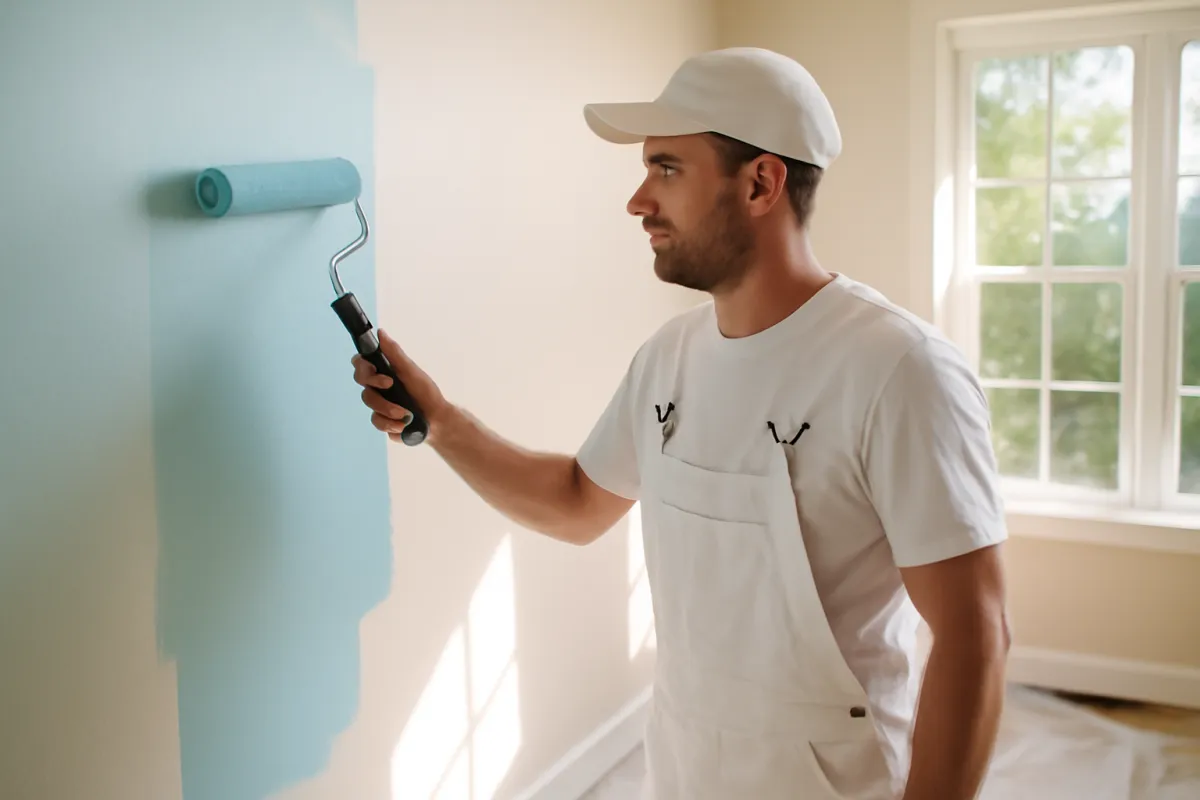
Ask what it costs to paint a house and you will get two answers that both sound right and disagree by thousands, because painting a house is really two different jobs wearing one name. The inside of a home and the outside of a home are priced on different surfaces, done by different methods, and interrupted by different problems, and lumping them into one number is the fastest way to a budget that misses. A can of quality paint might cover a few hundred square feet for the price of a nice dinner, yet a whole-house repaint can rival the cost of a used car, and neither figure is wrong. What separates them is size, height, condition, and above all the hours a crew has to spend before and during the actual painting.
This cost file prices the job honestly from the prep up. It keeps interior and exterior separate because they deserve it, gives illustrative ranges by home size and per square foot, and shows why paint is the cheap part and labor is nearly the whole bill. Our earlier contractor cost file laid out how any trade price is assembled; this one applies that same anatomy to painting, where the labor lean is steeper than almost anywhere else. Sketch your own home in the job cost estimator as you read, and the ranges below turn into numbers you can plan around.
Key takeaways
- Interior and exterior are separate jobs: interior commonly runs about $2 to $4 per square foot of floor area, exterior about $2 to $5 per square foot of home surface, illustratively.
- A whole-interior repaint of a 1,500-square-foot house lands roughly $3,000 to $6,000, and a comparable exterior roughly $3,000 to $8,000, before prep and stories adjust it.
- Labor and prep together are commonly two-thirds to three-quarters of the bill; the paint itself is often only a fifth to a quarter.
- Prep is the cost trap: patching, sanding, caulking, and priming are where a low estimate quietly turns into a bigger final number.
- Painting is the most do-it-yourself-friendly trade, so interior DIY saves real money; two-story exteriors and heavy prep are where a professional earns the price.
Interior and exterior are two different jobs
The first mistake in a painting budget is treating “paint the house” as one line. Interior and exterior work share a name and a bucket of paint and almost nothing else. Interior painting happens in a controlled space where the enemies are cutting in cleanly around trim and fixtures, protecting floors and furniture, and covering evenly on drywall. Exterior painting happens against weather, height, and sun, where the enemies are scraping and priming failing old paint, reaching second-story walls safely, and racing a forecast so a fresh coat does not get rained on before it cures.
Because the surfaces and the risks differ, so does the pricing basis. Interior work is commonly quoted per square foot of the home’s floor area, or room by room, since that is how homeowners picture the space. Exterior work is quoted per square foot of the actual painted surface, siding and trim and soffits, which does not track floor area neatly because a tall narrow house and a sprawling ranch of the same footprint have very different amounts of wall to cover.
The practical upshot is to budget them separately and get them quoted separately, even when you plan to do both at once. A bid that blends interior and exterior into a single figure hides which half is driving the cost and makes it impossible to trim. Price the inside as a whole-home or room count, price the outside by its own surface and height, and only then add the two. The estimator lets you set the job as interior, exterior, or both for exactly this reason.
The headline ranges: illustrative cost by home size
The single biggest lever on a painting bill is simply how much house there is to paint, so home size is the honest place to start. As an illustrative guide for a whole-interior repaint of walls in a mid-grade job, budget around $2 to $4 per square foot of floor area, which scales cleanly with the size of the home. That puts a small 1,000-square-foot home near the bottom of the range and a larger 2,500-square-foot home near the top, with ceilings, trim, and doors adding to whichever base you start from.
Illustrative interior paint cost by home size
Whole-interior wall repaint, mid-grade, before ceilings, trim, and heavy prep. Every home and market differs.
Illustrative midpoints at roughly $3 per square foot of floor area. Taller ceilings, extensive trim and doors, bold color changes, and walls that need patching push every bar higher.
Read those bars as a starting frame, not a quote. They assume smooth, sound walls and a straightforward color, and they cover walls rather than the ceilings, trim, doors, and closets that a full-service repaint usually includes. Exterior figures for the same homes run on a parallel track, illustratively $3,000 to $8,000 for a single-story house and higher for two stories, but they are set by wall surface and height rather than floor area. Anchor on the size band that matches your home, then adjust for everything the next sections cover. The estimator lets you set your own square footage and grade instead of a blended average.
Cost per square foot, and what per room tells you
Per square foot is the portable way to hold a painting budget, but it hides a useful truth: not all square feet cost the same. A large, open, smooth-walled great room is cheap per square foot because the roller covers ground fast and there is little to cut in around. A small kitchen or bathroom of the same area is more expensive per square foot, because the crew spends its time cutting carefully around cabinets, tile, counters, and fixtures rather than rolling open wall. The average per-foot figure smooths over that difference, which is why a whole-home number and a room-by-room number can both be right and still disagree.
That is why many painters and homeowners find room-by-room budgeting easier to trust. An illustrative standard bedroom with smooth walls runs about $300 to $700 painted, a living room more because it is larger, and a kitchen or bathroom more per square foot because of the detail work. Counting rooms forces you to account for the awkward, slow spaces that a single per-foot average quietly underprices.
The best practice is to hold both numbers at once: a whole-home per-square-foot figure to sanity-check the total, and a room count to make sure the detail-heavy spaces are not underpriced. When you compare quotes, a bidder who priced by room and a bidder who priced by the foot can land far apart on a kitchen, and knowing why lets you ask the right question instead of just chasing the lower number.
What actually drives a paint job’s price
Several levers set a painting total, and knowing their order of impact is most of the budgeting battle. First is the sheer size of the job, the square footage of surface to cover, which scales the whole thing. Second is surface condition and prep: smooth, sound, previously painted walls are quick, while walls that need patching, sanding, caulking, and priming can add hours that rival the painting itself. Third is ceiling height, because tall rooms and two-story exteriors mean ladders, extension poles, or scaffolding and slower, more careful work at every pass.
Fourth is the number of coats, since each coat is a full pass of labor plus more paint, and a real color change or a light-over-dark job often needs a primer plus two finish coats. Fifth is the paint grade, which moves the material cost but, because paint is a small share, moves the total less than people expect. Sixth is the extras that hide in “paint the house”: trim, doors, closets, ceilings, and bold color changes, each a separate surface with its own cutting-in time.
The practical takeaway is to price those levers in order. Fix the surface area, then honestly assess the prep, then account for height, then coats, and only then worry about paint grade and extras. A homeowner who starts from the paint aisle, comparing can prices, has anchored on the smallest lever while the big ones, prep and labor and height, go unexamined.
Labor is most of the bill
The fact that reframes every painting budget is this: the paint is the cheap part. On a typical repaint, labor and the prep work bundled with it commonly make up roughly two-thirds to three-quarters of the total, while the actual paint and materials are often only a fifth to a quarter. A good paint job is mostly time, moving and covering furniture, masking edges, patching and sanding, priming, cutting in every corner and trim line by hand, rolling two full coats, and cleaning up, and that time is what your money buys.
This is exactly the anatomy our contractor cost file laid out, and painting leans on the labor side harder than almost any other home trade. It is why the biggest lever on your quote is your local labor rate, not the brand of paint, and why the same rooms cost meaningfully more in a high-wage metro than in a lower-cost market with identical walls and identical cans on the shelf.
The insight has a direct practical use. If a quote comes back higher than you hoped, the cheap-feeling fix, downgrading the paint, barely moves the number, because paint was never the big line. The real levers are reducing scope, painting fewer surfaces, keeping the same color to avoid extra coats, or handling some of the labor yourself. Understanding that labor is the bill is also what makes painting the trade where do-it-yourself saves the most, because the part you would be replacing with your own weekends is the largest part of the price.
Paint quality tiers and what coverage really means
Paint sells in rough tiers, and the differences are real even though the material is a small share of the job. Economy paints are the cheapest per gallon and can be a false economy, because thinner formulas cover less per coat and may need an extra pass to look even, and that extra pass is labor you pay for. Mid-grade paints are the sensible default for most repaints, balancing price against good coverage, washability, and durability. Premium paints cost the most per gallon but often cover in fewer coats, resist scrubbing and fading longer, and hold a richer color, which can quietly save labor on tricky jobs.
The concept that ties price to performance is coverage, usually expressed as square feet per gallon. A paint that covers more per gallon and hides the old surface in fewer coats reduces both the material you buy and, more importantly, the labor hours spent rolling. That is why a premium paint that costs more per gallon can end up cheaper on the wall when it saves a whole coat across a house, and why chasing the lowest can price can backfire into more coats and more time.
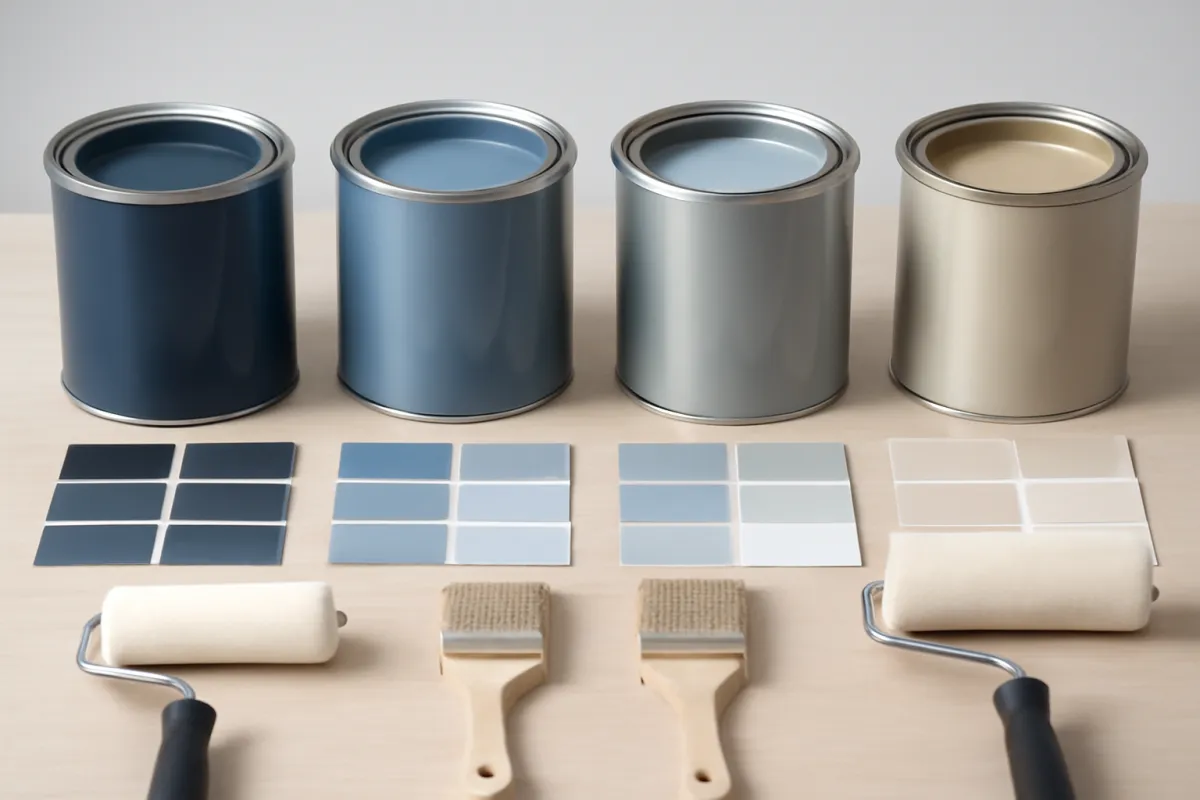
The practical rule is to let the surface pick the tier. Deep or saturated colors, walls going from dark to light, and high-traffic areas that need scrubbing reward a better paint that covers in fewer coats and holds up. A low-traffic ceiling or a closet can take an economy line without regret. Because paint is the small line on the quote, upgrading it is often the least expensive way to improve how the finished job looks and lasts.
The prep-work cost trap
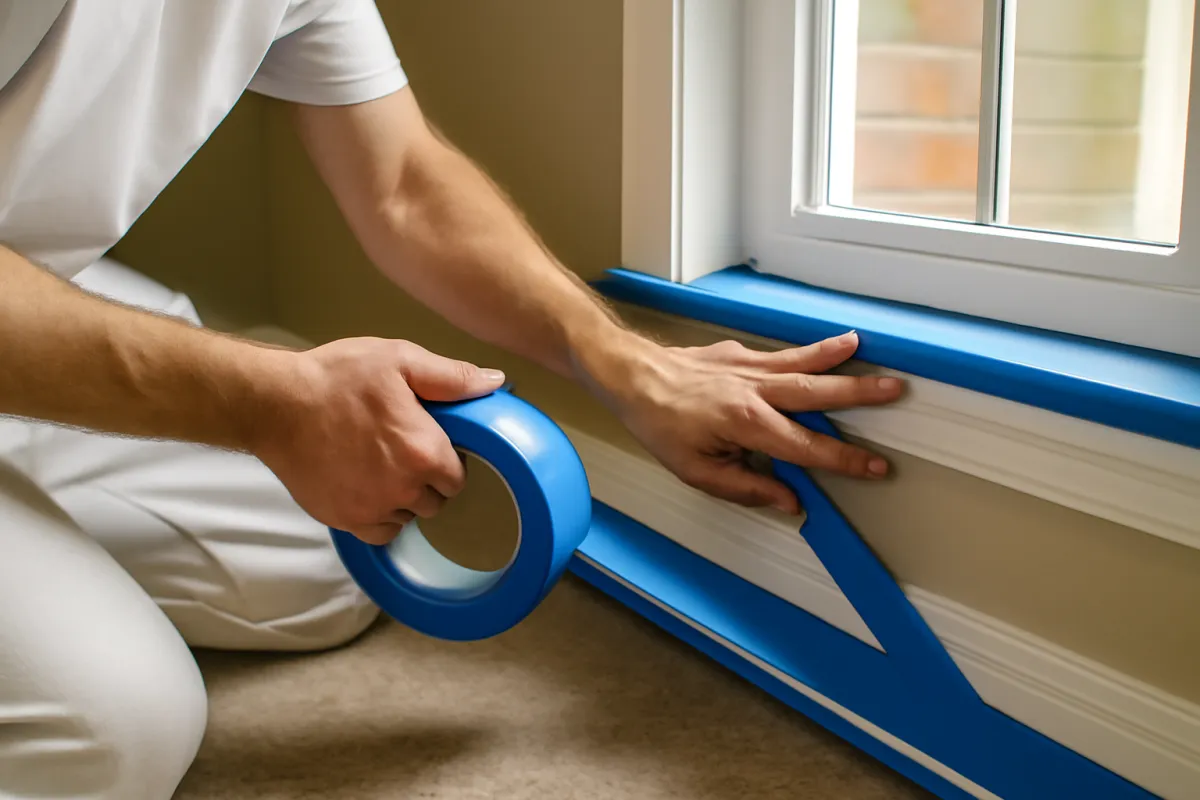
If a painting estimate is going to blow past its number, prep is almost always where it happens. Prep is everything that comes before the finish color: filling nail holes and cracks, patching damaged drywall, sanding rough or glossy surfaces, caulking gaps around trim, scraping and priming bare or peeling spots, and masking off everything that should not get painted. It is invisible in the finished room and it is a large share of the hours, which makes it the classic place for a cheap-sounding quote to hide what it left out.
The trap has two shapes. The first is a homeowner who prices only the painting and forgets the walls need work first, then meets the prep as a change order once the crew arrives and sees the cracks. The second is a bidder who quietly assumes light prep, or none, to post a low headline number, and adds the real prep later or does a thin job that shows every flaw through the fresh coat. Both end in the same place: a final bill well above the estimate, for work that was always going to be necessary.
The defense is to make prep an explicit, itemized part of every quote. Ask each bidder what level of prep the price includes, patching, sanding, caulking, priming, and how bare or damaged surfaces will be handled, and get it in writing. Everything our quote-comparison manual teaches applies here: when two painting bids differ, the prep line is one of the first places the gap is hiding. A quote that walks the walls and spells out the prep is worth more than a lower one that stays silent about it.
Interior painting, room by room
Inside the house, cost tracks the room, and the rooms are not equal. A bedroom is the friendly baseline: mostly open wall, simple trim, and a standard ceiling, so it paints fast and lands at the low illustrative end, around $300 to $700 for smooth, sound walls. A living room or great room costs more mainly because it is larger and may carry taller ceilings, but per square foot it is often efficient because so much of it is open wall a roller can cover quickly.
Kitchens and bathrooms flip that logic. They are often smaller than a bedroom yet cost more per square foot, because the paintable wall is broken up by cabinets, counters, tile, appliances, and fixtures, and cutting in cleanly around all of it is slow, exacting work. A bathroom also wants a moisture-resistant paint and careful edges around tile and the vanity. Hallways and stairwells carry their own surcharge, because stairwell walls rise two stories and reaching them safely needs ladders or scaffolding set on stairs, one of the trickier interior situations.
The budgeting move indoors is to count rooms and weight them by difficulty rather than treating the house as one flat rate. A whole-interior number is useful for a sanity check, but the detail-heavy spaces, kitchens, baths, and tall stairwells, are where a per-square-foot average underprices the real hours. Add ceilings, trim, doors, and closets as their own decisions, since each is a separate surface, and the interior total assembles honestly instead of surprising you.
Exterior painting has its own rules
Outside, a new set of variables takes over, and the first is siding type. Smooth surfaces like clean fiber-cement or good vinyl are the quickest to coat, while deeply textured stucco, rough-sawn cedar or wood clapboard, and ornate trim drink more paint and take more brush and roller time to work into every groove. The same square foot of wall can cost noticeably more on a heavily textured surface than on a smooth one, before anything else is counted.
The second exterior lever is height, and it is a big one. A single-story house can often be painted from ladders and poles, but a two-story or taller home means extension ladders, sometimes scaffolding, and slower, more careful work at every pass, which raises the labor substantially. Height is also a safety cost: working high off the ground is genuinely dangerous, and it is one of the strongest reasons to hire out an exterior even when you would happily paint the inside yourself.
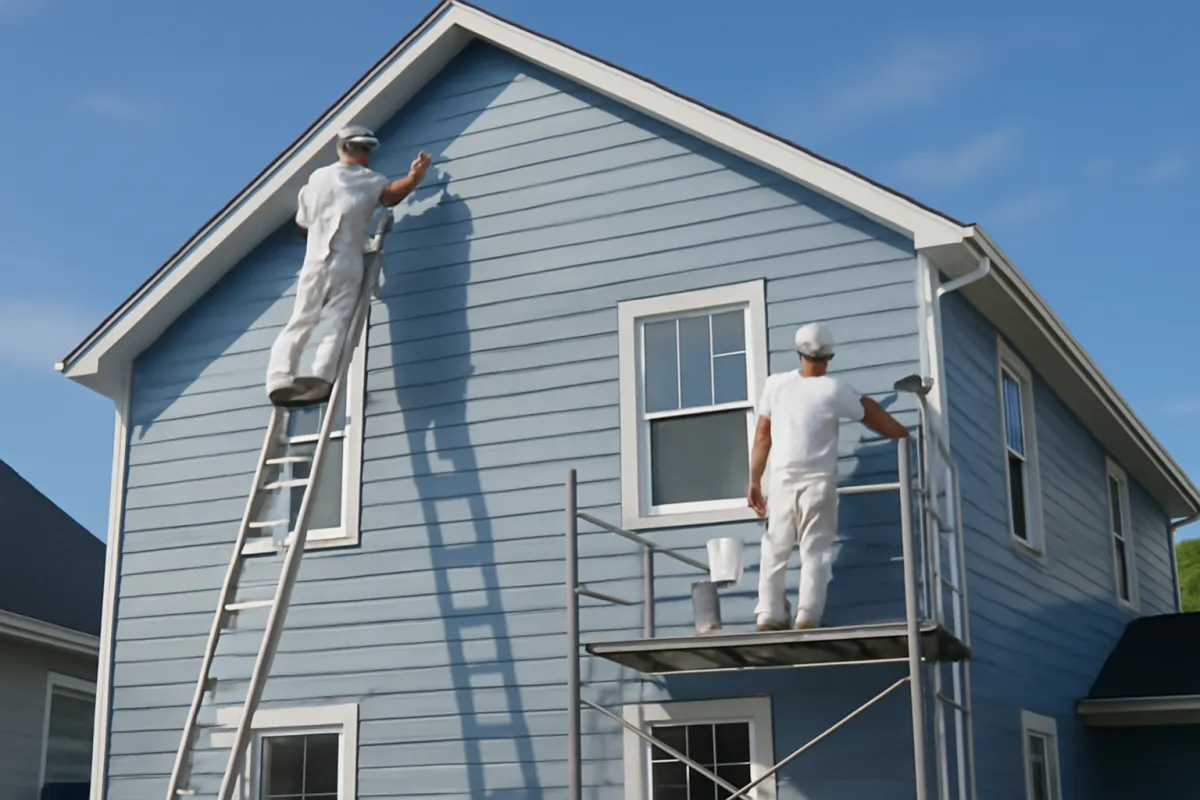
The third is weather and prep, which on an exterior can be a larger share than the painting itself. Old exterior paint chalks, cracks, and peels, and it must be scraped, sanded, caulked, and primed before new paint will bond and last, or the fresh coat fails within a season or two. Painting must also happen inside a window of dry, moderate weather so the coat can cure. Because so much of an exterior’s cost and quality rides on prep and conditions a phone estimate cannot see, an exterior quote is only trustworthy after a painter has walked the whole house.
Where a paint job’s cost goes
Assemble the pieces and the shape of a painting budget becomes clear, and it looks different from most home projects because the material band is so thin. The proportions below are illustrative for a typical interior repaint with ordinary prep, with the application labor, the prep labor, and the paint and materials shown as their own bands so you can see where the money actually lives.
Where a paint job's cost goes
Illustrative shares for a typical interior repaint with ordinary prep and two coats.
Prep is drawn as its own band, but it is labor too, so labor-type work is about three-quarters of the job. Heavy prep, tall ceilings, and extra coats grow the two blue bands; upgrading the paint grade barely moves the light one.
Two readings matter. First, the two labor bands together, application and prep, are roughly three-quarters of the bill, which is the whole reason painting is the trade where doing it yourself saves the most and downgrading the paint saves the least. Second, the paint-and-materials band is the smallest slice, so spending a little more on better paint that covers in fewer coats can actually shrink the labor bands and pay for itself. Budget from the whole bar, and never let a low bid quietly shrink the prep band, because that is the part you cannot see once the color is on.
Cost by home size, in more detail
Because painting scales so directly with surface area, the totals move in a predictable way as the house grows, and the shapes are worth carrying in your head. A small home around 1,000 square feet is the entry size: illustratively $2,000 to $4,000 for a whole-interior repaint and a comparable exterior in a similar band, before ceilings, trim, and stories adjust it. It is the cheapest total but often a higher cost per square foot, because the fixed setup, mobilizing, masking, and cleanup, does not shrink as fast as the wall area does.
A mid-size home around 1,500 square feet is the workhorse this cost file prices throughout: illustratively $3,000 to $6,000 interior and $3,000 to $8,000 exterior, with prep, height, and coats moving it inside those bands. A larger home around 2,500 square feet roughly follows the area up, landing illustratively $5,000 to $10,000 interior and often higher outside, especially with a second story that adds ladder and scaffolding time to every wall. A big or complex home with high ceilings, extensive trim, and multiple stories breaks the tidy per-foot math, because height and detail add labor out of proportion to the floor area.
The planning insight is that per-square-foot figures mislead in both directions: small homes look expensive per foot and cheap in total, large ones the reverse, and a home full of tall ceilings and detailed trim can cost far more per foot than an open, simple layout of the same size. Budget by fixing the job type, the grade, and the prep level together, then use the square footage to scale it. The estimator treats size and grade as separate questions for exactly this reason.
DIY versus hiring a painter
Painting is the most do-it-yourself-friendly trade in a house, and it is worth saying plainly, because on most home jobs the honest answer is “hire it out.” Here it genuinely is not. The tools are cheap, the material forgives mistakes because you can recoat, and the biggest line on a professional quote, labor, is exactly what your own weekends replace. A confident homeowner can paint a bedroom or a whole interior over some weekends for little more than the cost of paint, tape, rollers, and drop cloths, and the savings are real precisely because labor is most of the bill.
The honest gotchas are the ones that do not show up on day one. Skipped or rushed prep is the big one: paint over dust, gloss, or a crack you did not patch and it peels or telegraphs the flaw within a season. Cut-in lines that wander, uneven coverage that needs an unplanned third coat, and the wrong paint for a bathroom or a high-traffic hall are the common self-inflicted costs. None are catastrophic indoors, which is why interior DIY is where the savings are safest.
The exterior is where the honest line shifts toward hiring out. Two-story walls mean working high off tall ladders, which is slow, physically demanding, and genuinely dangerous, and extensive exterior prep, scraping and priming failing paint, is a large, tedious job that punishes shortcuts with a coat that fails early. A reasonable middle path is to paint the interior yourself and hire a professional for the exterior, or to hire out only the high and difficult parts. Whatever you take on, price your own time honestly, because a job that swallows a month of weekends has a real cost even when no one invoices you for it.
How to get and compare painter quotes
Painting quotes are easy to gather and easy to misread, because the surfaces are simple to describe and the important differences hide in words like “prep” and “coats.” Start by getting at least three quotes from painters who each walked the actual space, inside for interior work and the whole exterior for outside work, since a paint job’s cost rides on surface condition that no phone or photo estimate can judge. A number given without a walkthrough is a guess that will be revised upward once someone sees the walls.
Then make every quote describe the same scope so the totals are comparable. The bid should name which surfaces are included, walls, ceilings, trim, doors, and closets are separate decisions, how many coats, the paint grade and product, and, most importantly, the level of prep: patching, sanding, caulking, and priming. Everything our quote-comparison manual teaches applies directly, because two painting bids most often differ on the coats line and the prep line, not on the color. A bid that says “paint the interior, $4,000” has told you almost nothing you can check.
Finally, be suspicious of the outlier. A quote far under the others is not a bargain by default; it usually means fewer coats, thinner prep, a cheaper paint, or surfaces quietly left out. Normalize the bids to the same scope, re-read the prep and coats lines, and hold them against your own figure from the estimator. When you do, the honest bids tend to converge, and the one that moves most when normalized is the one that had the most left out.
When a fresh coat adds resale value
Paint is one of the most reliable low-cost improvements before selling a home, and it earns that reputation in a specific situation: when the current paint is a visible negative. Scuffed and marked walls, bold or dated colors, or peeling exterior paint all read to a buyer as neglect, and neglect drags on both price and how fast a home sells. A fresh, neutral repaint erases that impression cheaply, making the home feel clean, cared-for, and move-in ready, which is exactly the impression that supports an offer.
The value case is strongest at the extremes of condition. Repainting over genuinely bad paint, the peeling exterior or the teenager’s black bedroom, commonly returns more than it costs, because it removes an active objection a buyer would otherwise use to negotiate down or walk away. Neutral, broadly appealing colors do this best, since they let a buyer picture their own furniture rather than reacting to someone else’s taste. Curb appeal, an exterior that looks freshly kept, does similar work for the first impression before anyone steps inside.
The honest limit is that painting a home that already looks fresh rarely moves the price much, because there was no negative to erase. The resale return on paint is really the return on removing a problem, not on adding a luxury, so the calculation is sharpest when you can point to paint that is currently working against the sale. When it is, a modest repaint budget is often the highest-leverage dollar you can spend before listing, and it is worth pricing the specific rooms and exterior surfaces that a buyer will notice first.
Ways to cut cost without cutting quality
Because labor is the bill, the real savings come from reducing labor honestly, not from buying cheaper paint. The largest lever is doing some of the work yourself: even taking on the prep, moving and covering furniture, patching, sanding, and taping, before the crew arrives can trim their hours, and painting the easy interior rooms yourself while hiring out the hard ones splits the job at its natural seam. The second lever is scope: painting the walls and skipping the ceilings, or leaving sound trim alone, cuts real surfaces and real hours.
A third lever is keeping the color close to what is already there. A similar shade over a sound, previously painted wall can sometimes cover in fewer coats, and every coat you avoid is a full pass of labor saved. Going light-over-dark, or chasing a deep saturated color, adds a primer coat plus finish coats, so a dramatic color change is one of the quieter ways a budget grows. If the goal is a refresh rather than a transformation, staying in the same family keeps the coat count down.
The false economies to avoid are the ones that cut the parts you cannot see. Thinning the prep and dropping to a single coat both lower the quote and both fail within a season, showing flaws, roller marks, and old color through the fresh paint. Buying the cheapest paint saves little, because paint is the small band, and can cost more in extra coats. The smart cuts reduce surfaces and coats and shift labor to yourself; the costly cuts hide in the prep and the coat count, exactly where the finished wall looks fine on day one and disappoints by the next season.
A worked example: one 1,500 sq ft interior and one exterior
Take one ordinary 1,500-square-foot house and cost both jobs, interior and exterior, side by side. Every figure is illustrative; the structure is the lesson.
Interior, about $4,800. Walls throughout at roughly $3 per square foot of floor area come to about $4,500 on their own for a mid-grade, two-coat job on sound walls. Add ceilings in the main rooms and trim and doors as separate surfaces, another few hundred to a thousand dollars depending on how much is included, and moderate prep, patching nail holes, caulking, and spot priming, folded into the labor. Of that roughly $4,800 total, paint and materials are only around $1,000 to $1,200, and the rest is the labor of masking, cutting in, rolling two coats, and cleanup across the whole home.
Exterior, about $6,500. The same house painted outside is priced by wall surface and height rather than floor area. On a single-story home with straightforward siding, budget illustratively $5,000 to $6,000, with the number climbing if it is two stories, if the siding is rough or stucco, or if the old paint needs heavy scraping and priming before a drop of color goes on. Prep is a larger share here than inside, and it is the line most likely to move: a house whose old paint is failing can spend nearly as much getting ready to paint as painting.
The lesson is in the split. On both jobs, paint is the smallest line and labor plus prep is the great bulk, which is why the two levers that actually move these totals are how much surface there is and how much prep it needs, not which can you buy. Run your own home through the estimator, set it to interior, exterior, or both, and hold your quotes against the same size, grade, and prep level you just picked.
Common house-painting mistakes
The recurring failures, collected for prevention.
- Treating interior and exterior as one job. They are priced on different surfaces and interrupted by different problems; budget and quote them separately even when doing both.
- Underestimating prep. Patching, sanding, caulking, and priming are a large, invisible share of the bill and the place a low estimate turns into a bigger final number.
- Chasing the cheapest paint. Paint is the small band on the quote; a better paint that covers in fewer coats often saves more in labor than it costs at the register.
- Accepting a single-coat quote without knowing it. Most repaints need two coats; a suspiciously low bid may be planning one thin pass that shows old color within a season.
- Getting exterior quotes without a walkthrough. Exterior cost rides on the condition of the old paint, which no phone or satellite estimate can judge; insist a painter walks the whole house.
- Comparing bids without matching scope. Ceilings, trim, doors, coats, and prep are separate decisions; make every bidder quote the same surfaces before you compare totals.
- Taking on a two-story exterior as a first DIY. Interior DIY is where the savings are safe; working high off tall ladders is slow, dangerous, and where a professional most earns the price.
Each mistake is cheap to avoid before the work starts and expensive to fix after the coat is on, which is the general shape of painting wisdom: the leverage is all in the scope and the prep, decided before the first roller touches the wall.
The bottom line
A house costs what its size, its surfaces, and your local labor market say it costs, and it costs it twice, once for the inside and once for the outside. Illustratively, budget around $2 to $4 per square foot of floor area for a whole interior, which puts a 1,500-square-foot home near $3,000 to $6,000, and about $2 to $5 per square foot of surface for an exterior, roughly $3,000 to $8,000 on that same house before stories and prep adjust it. Across both jobs, labor and prep are two-thirds to three-quarters of the bill and the paint is the small remainder, which is the single fact that should shape every decision you make.
Then buy the work like a professional: separate interior from exterior, get at least three quotes from painters who walked the actual space, and make every bid spell out the surfaces, the number of coats, the paint grade, and above all the level of prep. Because painting is the most do-it-yourself-friendly trade, take on the interior or the easy rooms yourself if you have the time, and reserve your budget for the two-story exterior and the heavy prep where a professional earns the price. The homeowners who come out of a paint job happy are not the ones who found the cheapest can; they are the ones who understood that a good paint job is mostly the hours before and during the color, priced the prep and the coats on purpose, and never let a low bid thin the part that disappears under the finish. That is the whole recipe, and none of it requires luck.
This cost file exists to explain how house-painting prices are built, not to price your specific job, and nothing in it replaces a written estimate from a licensed, insured painting contractor who has seen your walls. Every dollar figure, range, and per-square-foot number above is illustration only: your real cost shifts with your region and labor market, the condition and texture of your surfaces, ceiling height and the number of stories, the number of coats, the paint grade, and the season you paint in. Exterior work in particular carries real safety risk at height and should be judged in person, not from a photo, so gather several detailed written quotes on the same scope, coats and prep included, confirm the painter is licensed and insured, and treat any bid far below the others as a question to ask rather than a bargain to grab.
Frequently asked questions
How much does it cost to paint a house?
The honest answer splits into two very different jobs, and each depends on the size of the house far more than any single average. As an illustrative guide, painting the interior of a typical home commonly runs about $2 to $4 per square foot of floor area, which puts a 1,500-square-foot house somewhere around $3,000 to $6,000 for a whole-interior repaint. Exterior work is priced differently and commonly lands about $2 to $5 per square foot of home footprint, or roughly $3,000 to $8,000 on a similar house, with two-story homes and heavy prep pushing higher. Treat every one of these figures as a starting range, because your real price shifts with local labor rates, ceiling height, the number of coats, the condition of the surfaces, and how much patching and priming the walls need before a drop of color goes on.
How much does it cost to paint the interior of a house?
Interior painting is commonly quoted at about $2 to $4 per square foot of floor area for walls, or you can budget by room, which many homeowners find easier to picture. Illustratively, a standard bedroom runs about $300 to $700 painted, a kitchen or bathroom often more per square foot because of cutting in around cabinets and fixtures, and a whole-home interior for a 1,500-square-foot house lands roughly $3,000 to $6,000. Adding ceilings, trim, doors, and closets raises the number, because each is a separate surface with its own cutting-in labor. The single biggest swing is whether the walls are smooth and sound or need patching, sanding, and priming first, since prep is labor and labor is most of the bill.
How much does it cost to paint the exterior of a house?
Exterior painting commonly runs about $2 to $5 per square foot of the home's exterior surface, which puts a typical single-story house around $3,000 to $6,000 and a two-story home higher, illustratively $5,000 to $12,000 or more, because height means ladders, scaffolding, and slower, more careful work. Siding type matters: smooth surfaces cost less to coat than deeply textured stucco, rough cedar, or ornate trim that eats brush time. Weather and prep drive the rest, since scraping old paint, sanding, caulking gaps, and priming bare spots can be a larger share of an exterior job than the painting itself. Get the quote after a painter has walked the whole exterior, not from a phone estimate, because the condition of the existing paint is the variable a satellite view cannot see.
How much does an exterior painting contractor charge?
An exterior painting contractor commonly prices the work at an illustrative $2 to $5 per square foot of the home's exterior surface, which puts a typical single-story house around $3,000 to $6,000 and a two-story home higher because of ladders, scaffolding, and slower, more careful work. Most of what you pay a contractor is labor and prep, since scraping, sanding, caulking, and priming failing paint can be a larger share of the job than the painting itself. When you compare one exterior painting contractor against another, confirm how many coats are included, what prep is priced, and whether the estimate came from an in-person walk of the whole exterior rather than a satellite view. Every figure varies by region, siding type, and condition, so gather several detailed written quotes on the same scope before you commit.
How much does it cost to paint one room?
Painting a single room is the most predictable slice of the job, and it is commonly quoted around $300 to $1,000 depending on the room's size, ceiling height, and how much trim and detail it carries. An illustrative standard bedroom with smooth walls lands near the low end, while a room with tall ceilings, extensive trim, built-ins, or walls that need real patching climbs toward the top. Kitchens and bathrooms often cost more per square foot than bedrooms, not because the walls are bigger but because cutting in around cabinets, tile, and fixtures is slow, careful work. Painting several rooms at once usually lowers the per-room price, because the crew mobilizes, masks, and cleans up once rather than repeatedly.
Is it cheaper to paint a house yourself?
Painting is the most do-it-yourself-friendly trade in a home, and doing it yourself can save the labor share of the bill, which is commonly more than half the total. A confident homeowner with time can genuinely handle a bedroom or a whole interior over some weekends for the cost of paint, rollers, tape, and drop cloths. The honest gotchas are the ones that do not show up until later: skipped prep that lets paint peel, uneven coverage that needs a third coat, cut-in lines that wander, and, on exteriors, the real danger and slow pace of working from tall ladders. Interior DIY is where the savings are safest; two-story exterior work, extensive prep, and spray finishes are where hiring a professional most often earns its price.
Why is labor such a big part of a painting quote?
Because painting is overwhelmingly a labor trade, and the paint itself is a small fraction of what you pay. On a typical repaint, labor and the prep work that goes with it commonly make up roughly two-thirds to three-quarters of the total, while the actual paint and materials are often only a fifth to a quarter. The reason is that a good paint job is mostly time: masking, moving and covering furniture, patching and sanding, priming, cutting in every edge by hand, rolling two coats, and cleaning up. Our contractor cost file explains how any trade price is built from labor, materials, overhead, and profit, and a painting quote leans harder toward labor than almost any other home job.
How many coats of paint do I need, and does it change the cost?
Most repaints need two coats for an even, durable finish, and the number of coats is one of the quieter cost drivers because each coat is a full pass of labor plus more paint. One coat can look acceptable when you are painting a similar color over a sound, previously painted surface, but covering a dark color with a light one, going over bare patched drywall, or chasing a rich saturated color often needs a primer coat plus two finish coats. A painter quoting a suspiciously low number may be planning a single thin coat that looks fine on day one and shows roller marks and old color within a season. Always confirm how many coats the quote includes, because two bids for the same room can differ mostly on that one line.
Does painting a house add resale value?
A fresh, neutral paint job is one of the most reliable low-cost improvements before a sale, because it makes a home read as clean, cared-for, and move-in ready, which supports both price and speed of sale. The value shows up most when paint is currently a visible negative: scuffed walls, bold or dated colors, or peeling exterior paint that signals neglect to a buyer. Repainting in broadly appealing neutral tones commonly returns more than it costs in those situations, though the exact payback varies by market and by how bad the starting condition was. Painting a house that already looks fresh rarely moves the price much, so the resale case is strongest when the current paint is actively working against you.